Is There Any Truth to the Exercise Snacking Trend?
May 7, 2026 - 02:32
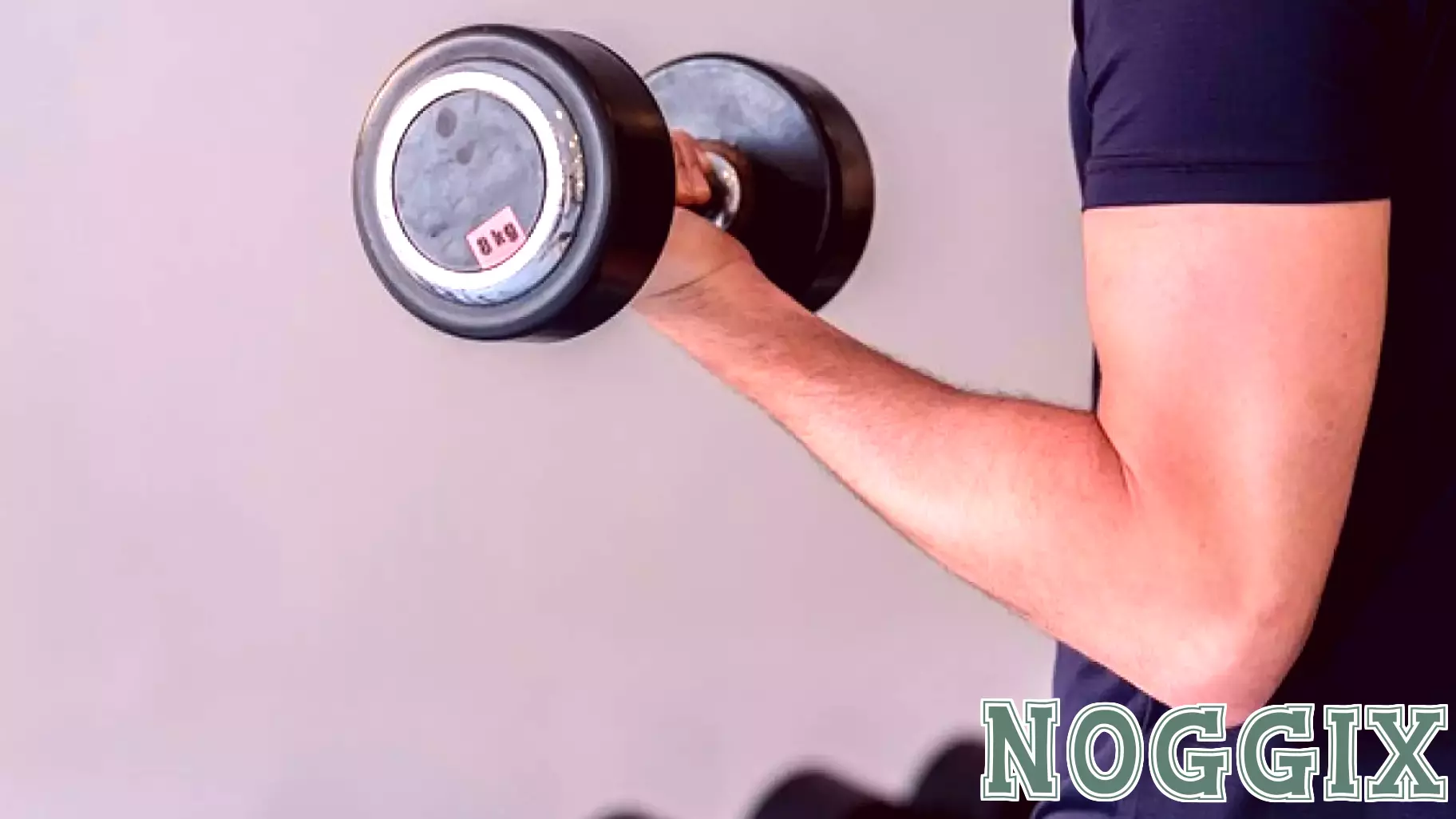
The idea of "exercise snacking" has been gaining attention as a way to fit physical activity into a busy day. Instead of carving out 30 to 60 minutes for a gym session, this approach involves doing several short bursts of movement spread throughout the day. Think of a brisk two-minute walk up the stairs, a set of squats while waiting for coffee to brew, or a quick jog around the block between meetings. But is there any real science behind this trend, or is it just another wellness fad?
Research suggests there is genuine value in these micro-workouts. Studies have shown that even very short bouts of intense activity can improve cardiovascular fitness and blood sugar control. One notable study found that three 20-second bursts of stair climbing, done three times a day, significantly boosted aerobic capacity in sedentary adults over several weeks. The key is intensity. These snacks need to be effortful, not just a slow stroll. The goal is to elevate your heart rate briefly, then return to your day.
For people who consistently cite a lack of time as a barrier to exercise, this method offers a practical solution. It removes the mental hurdle of needing to change clothes, drive to a gym, and commit to a full workout. Instead, it integrates movement into existing routines. The cumulative effect of these small efforts can add up to meaningful health benefits, especially for those who are otherwise inactive.
However, it is not a complete replacement for all forms of exercise. Longer sessions remain important for building endurance, strength, and for the mental release that comes from a dedicated workout. Exercise snacking is best seen as a supplement or a starting point. For someone doing nothing, it is a powerful first step. For an active person, it is a way to break up long periods of sitting. The truth is, the trend holds up under scrutiny. Any movement, even in tiny doses, is better than none.
MORE NEWS

August 4, 2026 - 23:55
3 Ways Early Family Trauma Shapes Marriage in Later LifeNew research is shedding light on a difficult truth: the emotional scars we carry from early family life do not stay in the past. They walk with us into our marriages, often dictating how we argue,...
August 4, 2026 - 12:30
Better Posture Linked to Better Decision Making and MoodNew research suggests that the way you sit might do more than just spare you from back pain. It could actually influence how you think and feel. A recent study has found a meaningful connection...

August 3, 2026 - 22:40
In Group Projects: Double Down or Quit?Group work has a way of exposing the gap between those who carry the load and those who just ride along. It is a familiar frustration: one person does the heavy lifting while others coast, and the...

August 3, 2026 - 11:02
Teaching Companies to Tell Stories With DataSienna Jackson has spent the last decade helping businesses move past spreadsheets and slide decks. Her work focuses on something surprisingly rare in the corporate world: turning raw numbers into...