Is Cognition Optional? AI Proves Smarts Might Not Need a Mind
March 23, 2025 - 19:13
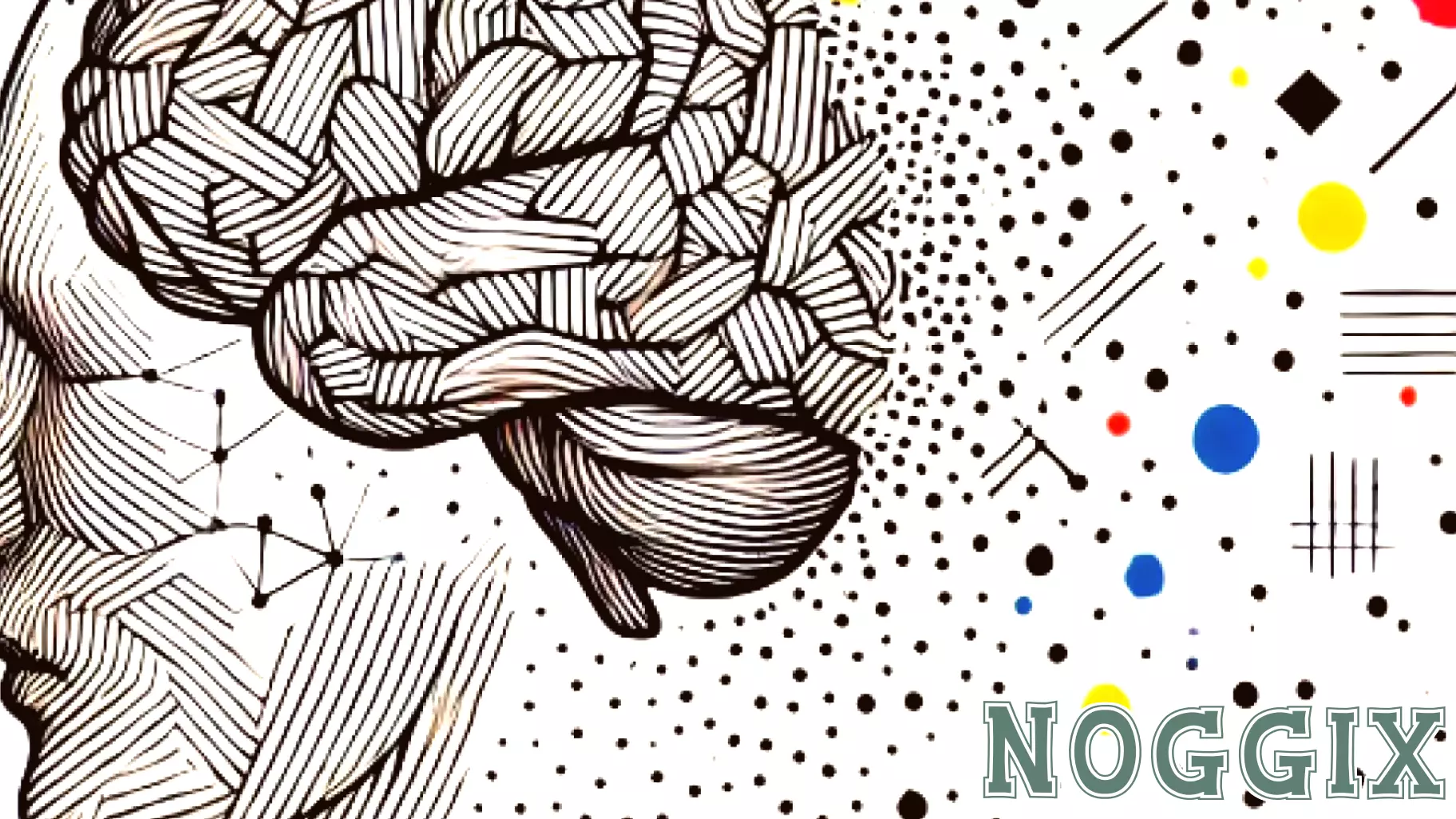
In a groundbreaking exploration of artificial intelligence, researchers are challenging the long-held belief that cognition is essential for intelligence. The emergence of advanced AI systems raises intriguing questions about the nature of thinking and understanding. These systems, capable of performing complex tasks and making decisions, often operate without traditional cognitive processes.
As AI continues to evolve, it exhibits behaviors that suggest intelligence can exist independently of human-like thinking. This development invites a re-examination of what it means to be "smart." In many cases, these AI entities demonstrate problem-solving abilities and adaptability that rival human performance, all while lacking conscious thought or emotional awareness.
The implications of this shift are profound, prompting discussions about the future of work, creativity, and even ethics in technology. As society navigates this new landscape, the role of human cognition may need to be redefined, leading to a future where intelligence is not solely the domain of the mind.
MORE NEWS

July 10, 2026 - 05:01
Why Losing Your Job to AI Might Reveal What You Actually AreA translator who once earned a comfortable living from his language skills recently watched 70 percent of his income vanish. Not because he got worse at his job. Not because clients stopped needing...

July 9, 2026 - 00:10
How Choosing Hope Can Empower YouIt is easy to think of hope as a passive feeling, something that happens to you when things go well. But a growing body of research suggests that hope is actually an active skill, a choice that can...

July 8, 2026 - 01:50
How Islamophobia Harms Us AllAttacks on Muslim political figures and distorted media portrayals continue to paint an entire faith community as a danger to the United States. But the real threat to national security and social...

July 6, 2026 - 02:50
Psychology says people who are extremely brand conscious aren't always trying to impress others, it may reNew research in consumer psychology suggests that people who are extremely brand conscious are not always trying to impress others or climb the social ladder. While many assume that buying...