How Science and Music Blurred Politics One Day Back Home
June 27, 2026 - 00:30
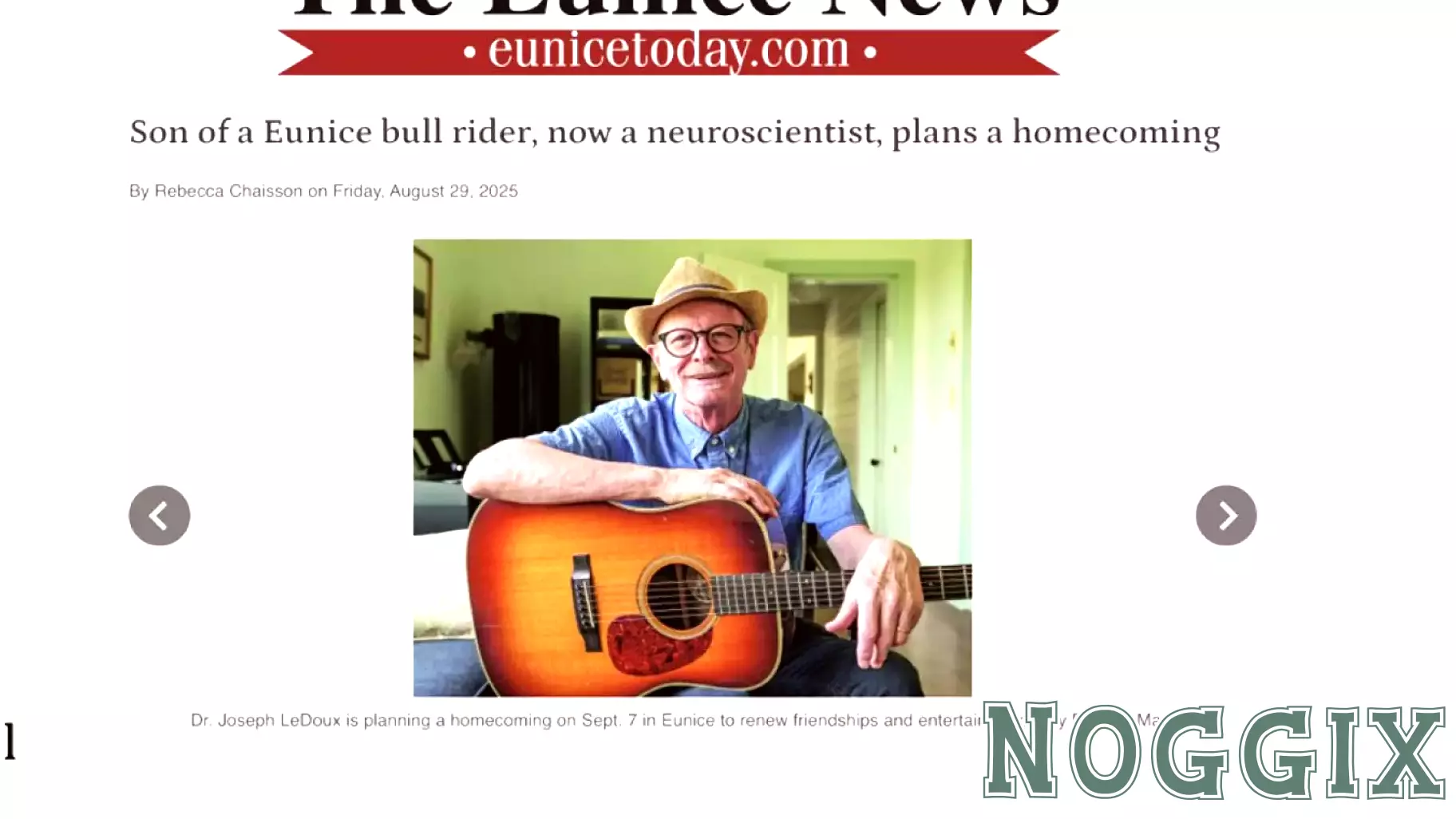
It was a reunion no one expected to go well. A group of childhood friends, now scattered across the country with wildly different political views, agreed to spend a day together in their hometown. The catch? No arguments, no debates. Instead, they brought in a scientist and a musician to lead the afternoon.
The scientist started with a simple experiment. She asked everyone to hold a small tuning fork and strike it against the table. The vibration was subtle, almost invisible. Then she asked them to hold it to their forehead. The sound traveled through bone, not air. Suddenly, everyone was laughing. The physics of sound became a shared experience, not a lecture.
Then the musician took over. She pulled out an old acoustic guitar and played songs they all remembered from high school. People sang along, badly, and it did not matter. The music bypassed the part of the brain that wants to argue. It went straight to memory, to emotion, to the smell of the gymnasium after a football game.
By the end of the day, no one had changed their vote. But they had changed the way they listened. The scientist explained that our brains process sound and speech through different pathways. When you hear a political argument, your amygdala lights up with threat. When you hear a familiar melody, your reward system kicks in. The group learned that you cannot argue someone into agreement, but you can vibrate together on the same frequency.
The day ended with a potluck dinner. People who had not spoken in years traded stories about their kids, their jobs, their gardens. The politics did not disappear. It just stopped being the first thing in the room. One friend said it was the best day he had had in a decade. Another said she finally understood why her cousin voted the way he did, even if she still disagreed.
The takeaway was not about unity or compromise. It was about the simple power of shared sensation. A tuning fork, a guitar, a plate of homemade cookies. Sometimes the only way through a divide is to stop talking and start vibrating.
MORE NEWS

August 10, 2026 - 22:06
The Latest Casualties of the False Cause FallacyHeadlines love a simple warning. Stay up late, and your heart will suffer. Work from home, and your mind will crumble. These stories spread fast because they feel true. But the research behind them...

August 8, 2026 - 10:17
Ted Lasso Is Back: Why We Still Need to “Believe”The wait is over for fans of the show about a folksy American football coach who somehow ends up managing a struggling English soccer team. Ted Lasso is back on screens, and while the jokes and the...
August 7, 2026 - 17:44
The Two Kinds of Philosophers—And Why We Only Need OneThere is an old way of dividing thinkers, and it still holds up. Some are swallows, soaring high, mapping the whole sky from above. Others are moles, burrowing deep into a single patch of ground,...

August 7, 2026 - 01:24
New Ways to Deal With the Inner CriticThat nagging voice in your head, the one that whispers you are not smart enough, fast enough, or good enough, is a common companion for many people. For years, the standard advice was to simply...