Garmin feature unreliable? 4-minute gap sparks debate on psychology and performance
June 21, 2026 - 23:51
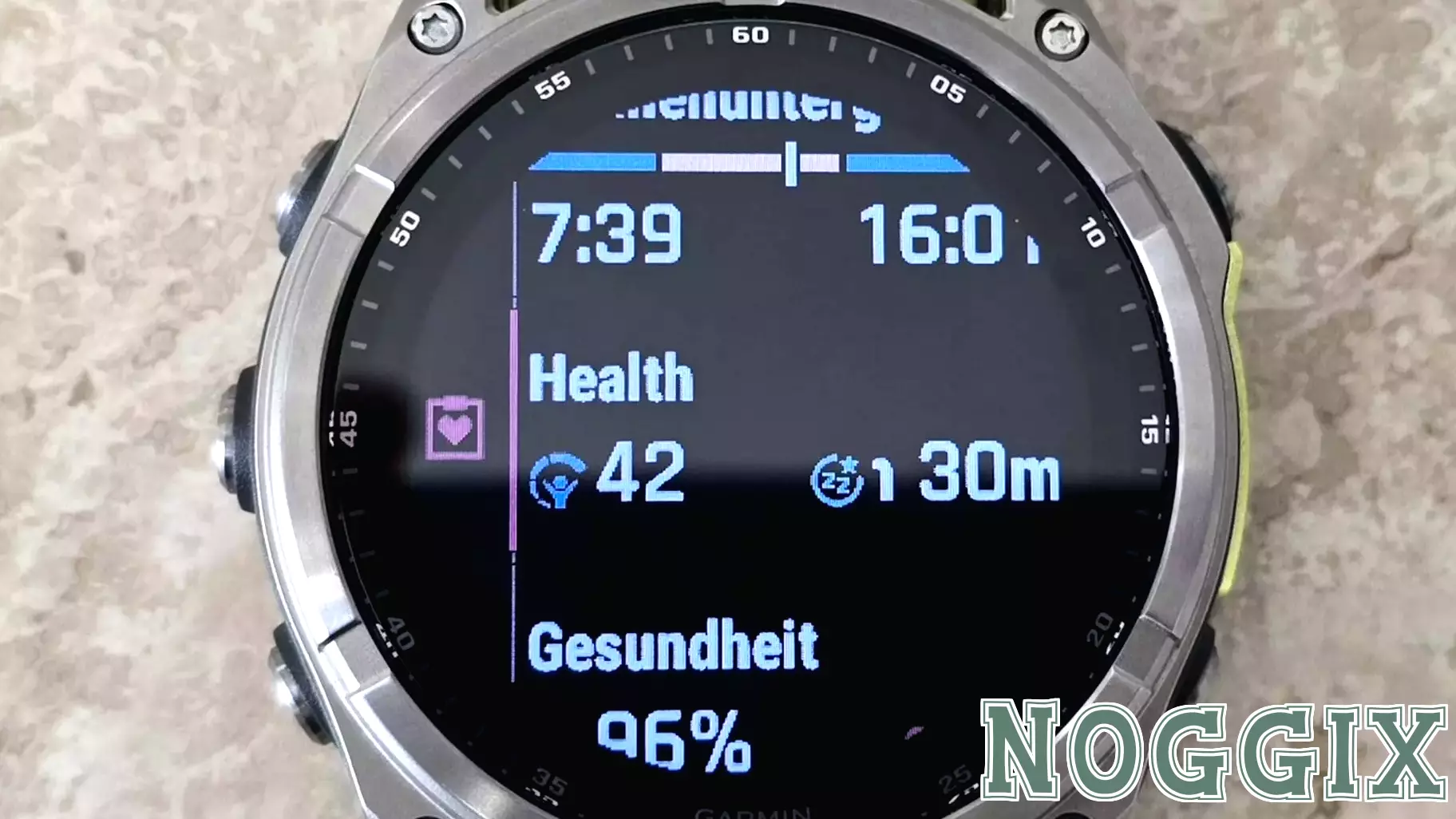
Garmin positions its smartwatches as tools for serious athletes who follow structured training plans. But a heated discussion is now brewing over the reliability of the race time predictions these devices provide. Users are reporting a wide gap between what Garmin says they can run and what they actually achieve on race day, with some seeing a difference of up to four minutes.
The debate goes beyond simple accuracy. Some athletes argue that the predictions are too optimistic, leading to unrealistic expectations and poor pacing strategies. Others say the watch is actually correct, but the user fails to execute because of mental barriers or poor race-day conditions. One runner shared that their Garmin predicted a 19-minute 5K, but they crossed the finish line at 23 minutes. They blamed the heat and nerves, not the watch.
This has sparked a conversation about the psychology of performance. Can a number on a wrist really influence how fast you run? Some coaches say yes. If you trust the prediction, you might push harder. If you doubt it, you might hold back. The watch becomes a mirror for your own confidence.
Tips are flying around the community. Some suggest ignoring the prediction entirely and focusing on heart rate or perceived effort. Others recommend using the data as a rough guide, not a guarantee. One thing is clear: Garmin's race time feature is not a crystal ball. It is a calculation based on past data, and real life is messier than an algorithm. The debate will likely continue as more runners test their watches against the clock.
MORE NEWS

August 5, 2026 - 21:11
How Drug Abuse by Bicyclists Led to a Medicine for PsychosisThe history of medicine is full of strange twists, but few are as unexpected as the link between a group of drug-abusing cyclists and a breakthrough treatment for psychosis. It started not in a...

August 4, 2026 - 23:55
3 Ways Early Family Trauma Shapes Marriage in Later LifeNew research is shedding light on a difficult truth: the emotional scars we carry from early family life do not stay in the past. They walk with us into our marriages, often dictating how we argue,...

August 4, 2026 - 12:30
Better Posture Linked to Better Decision Making and MoodNew research suggests that the way you sit might do more than just spare you from back pain. It could actually influence how you think and feel. A recent study has found a meaningful connection...

August 3, 2026 - 22:40
In Group Projects: Double Down or Quit?Group work has a way of exposing the gap between those who carry the load and those who just ride along. It is a familiar frustration: one person does the heavy lifting while others coast, and the...