Early Adversity, Attachment, and Friendship
June 13, 2026 - 03:18
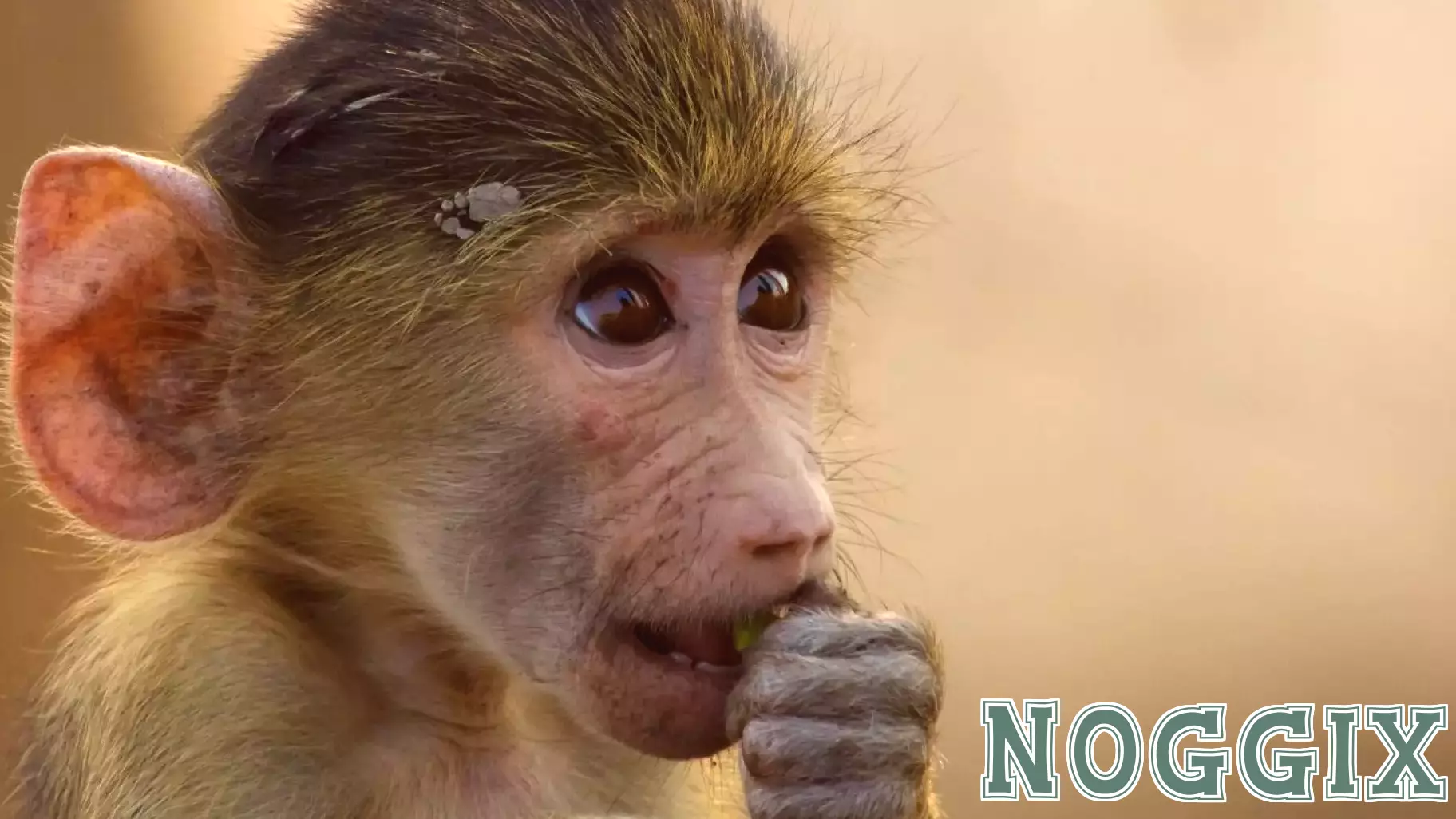
It is common to assume that a person who finds friendship draining or risky simply has a difficult personality. But new research suggests the roots of that struggle often lie much deeper, in the biology of early life. Scientists studying the link between childhood adversity and adult social bonds are finding that the way we attach to others is shaped long before we choose our first friend.
The core idea is that early experiences of neglect, instability, or trauma can rewire the brain's stress response system. A child who grows up in an unpredictable environment learns to see relationships as unreliable or even threatening. This is not a conscious choice. It is a survival strategy. The brain prioritizes self-protection over social connection. As a result, the same person may later feel exhausted by friendships, not because they are antisocial, but because their nervous system is constantly scanning for danger.
Attachment theory explains this pattern. Secure attachment develops when a caregiver is consistently responsive. Insecure attachment, by contrast, often emerges from inconsistent or harsh care. An avoidant style leads people to keep others at a distance. An anxious style makes them crave closeness but fear rejection. Both styles can make friendship feel like emotional work rather than a source of support.
The good news is that biology is not destiny. Understanding that these patterns come from early adversity, not a fixed personality flaw, can reduce shame. It also opens the door to change. Therapy, mindful relationships, and even simple awareness of one's own triggers can help rewire those old pathways. Friendship can become less draining and more sustaining, but it often requires unlearning the lessons of a difficult past first.
MORE NEWS

July 28, 2026 - 04:09
Psychoanalytic Object Relations Through SongJohn Mayer`s 2003 hit `Daughters` is often dismissed as a simple pop ballad about fatherly responsibility. But a closer look reveals the song works as a surprisingly clear case study in...

July 26, 2026 - 20:50
Why Workaholics May Not Be Team PlayersFor many workaholics, the drive to do more comes from a genuine sense of duty. But new research suggests that this intense focus on individual output often backfires in a team setting. The core...

July 24, 2026 - 15:13
Yellow Seed 2027 Internship: A Paid Path Into Industrial Psychology With Exposure to AI-Driven HR TechStudents of Industrial Psychology looking for a practical edge beyond the typical internship might find a match in the Yellow Seed 2027 programme. The initiative provides a paid placement that...

July 23, 2026 - 23:17
Are the Kids Alright? Teens' Usage of AI Companions Is UpA growing number of teenagers are forming deep emotional bonds with artificial intelligence, using chatbots and virtual companions for friendship, emotional support, and even romantic interactions....