Do Images of Eyes Really Encourage Generosity?
May 14, 2025 - 17:32
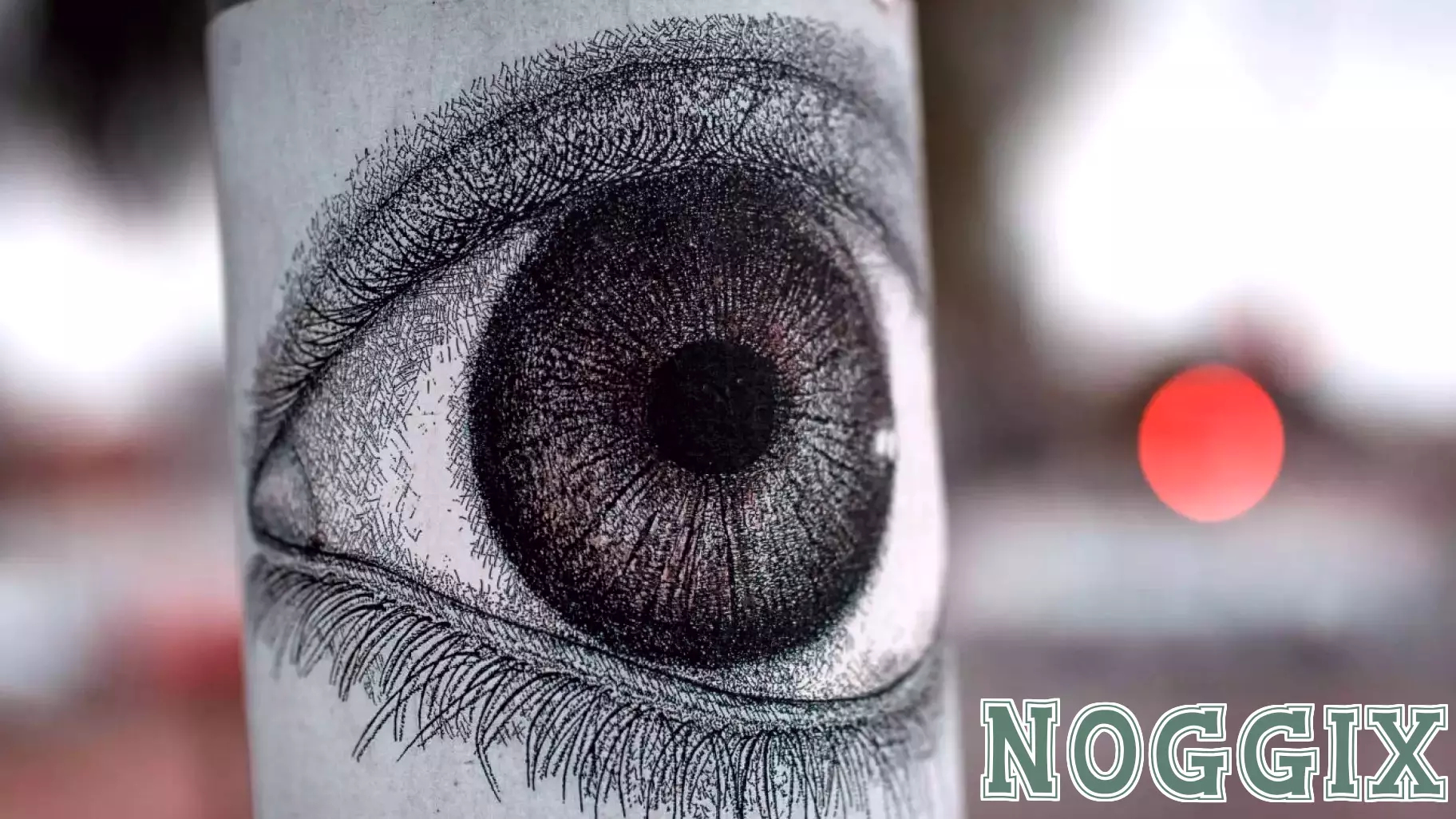
Can a simple pair of eyes on a poster really boost your generosity—or is it all hype? Research has delved into the intriguing concept of the "watching eye" effect, exploring how images of eyes can influence charitable behavior. Studies suggest that when people are confronted with images of eyes, they are more likely to engage in prosocial behaviors, including making donations to charitable causes.
One prominent study indicated that participants exposed to images of eyes were significantly more likely to contribute to charity compared to those who viewed neutral images. The psychological reasoning behind this phenomenon is rooted in the idea that the presence of eyes evokes a sense of being observed, prompting individuals to act in accordance with social norms and expectations.
As organizations increasingly incorporate such imagery into their fundraising campaigns, the implications are clear: visual cues can play a powerful role in encouraging generosity and fostering a culture of giving. This evidence raises important questions about the effectiveness of traditional fundraising methods and the potential of psychological triggers in enhancing charitable contributions.
MORE NEWS

July 10, 2026 - 05:01
Why Losing Your Job to AI Might Reveal What You Actually AreA translator who once earned a comfortable living from his language skills recently watched 70 percent of his income vanish. Not because he got worse at his job. Not because clients stopped needing...

July 9, 2026 - 00:10
How Choosing Hope Can Empower YouIt is easy to think of hope as a passive feeling, something that happens to you when things go well. But a growing body of research suggests that hope is actually an active skill, a choice that can...

July 8, 2026 - 01:50
How Islamophobia Harms Us AllAttacks on Muslim political figures and distorted media portrayals continue to paint an entire faith community as a danger to the United States. But the real threat to national security and social...

July 6, 2026 - 02:50
Psychology says people who are extremely brand conscious aren't always trying to impress others, it may reNew research in consumer psychology suggests that people who are extremely brand conscious are not always trying to impress others or climb the social ladder. While many assume that buying...