Dating Apps Could Be Changing What You Find Attractive, Psychologists Warn
June 28, 2026 - 08:01

Psychologists are raising concerns that dating apps may be altering the way people experience attraction, potentially short-circuiting a natural psychological process known as the "mere exposure effect." This effect, long studied in social psychology, describes how people tend to develop a preference for things or individuals they encounter repeatedly over time. But experts say the swipe-based design of modern dating platforms may be undermining this mechanism.
Instead of allowing attraction to grow gradually through repeated, low-stakes exposure, dating apps encourage rapid, high-volume decision-making. Users swipe through dozens of profiles in minutes, often basing their judgments on a single photo or a brief bio. According to researchers, this creates a feedback loop where the brain learns to expect instant, surface-level appeal rather than the slower, more nuanced process of getting to know someone.
Dr. Elena Marchetti, a cognitive psychologist at the University of Milan, explains that the mere exposure effect typically requires repeated, neutral encounters to work. "In real life, you might see someone at a coffee shop or in a class several times before you feel any pull toward them," she says. "But on an app, you're making a split-second decision and then moving on. That constant novelty can actually train the brain to devalue familiarity."
The result, some experts suggest, is that users may become less open to partners who don't immediately fit a narrow, algorithm-driven ideal. Over time, this could make it harder for people to form lasting connections, as the brain becomes conditioned to expect constant novelty rather than the slow build of genuine attraction. While dating apps offer convenience, psychologists warn that users should be aware of how the design may be reshaping their romantic instincts in ways they don't fully realize.
MORE NEWS

August 10, 2026 - 22:06
The Latest Casualties of the False Cause FallacyHeadlines love a simple warning. Stay up late, and your heart will suffer. Work from home, and your mind will crumble. These stories spread fast because they feel true. But the research behind them...

August 8, 2026 - 10:17
Ted Lasso Is Back: Why We Still Need to “Believe”The wait is over for fans of the show about a folksy American football coach who somehow ends up managing a struggling English soccer team. Ted Lasso is back on screens, and while the jokes and the...
August 7, 2026 - 17:44
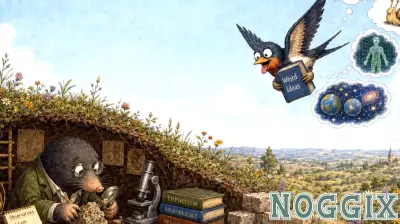
The Two Kinds of Philosophers—And Why We Only Need OneThere is an old way of dividing thinkers, and it still holds up. Some are swallows, soaring high, mapping the whole sky from above. Others are moles, burrowing deep into a single patch of ground,...

August 7, 2026 - 01:24
New Ways to Deal With the Inner CriticThat nagging voice in your head, the one that whispers you are not smart enough, fast enough, or good enough, is a common companion for many people. For years, the standard advice was to simply...