Braver New World: The AI Architecture of the Inevitable?
February 27, 2026 - 11:07
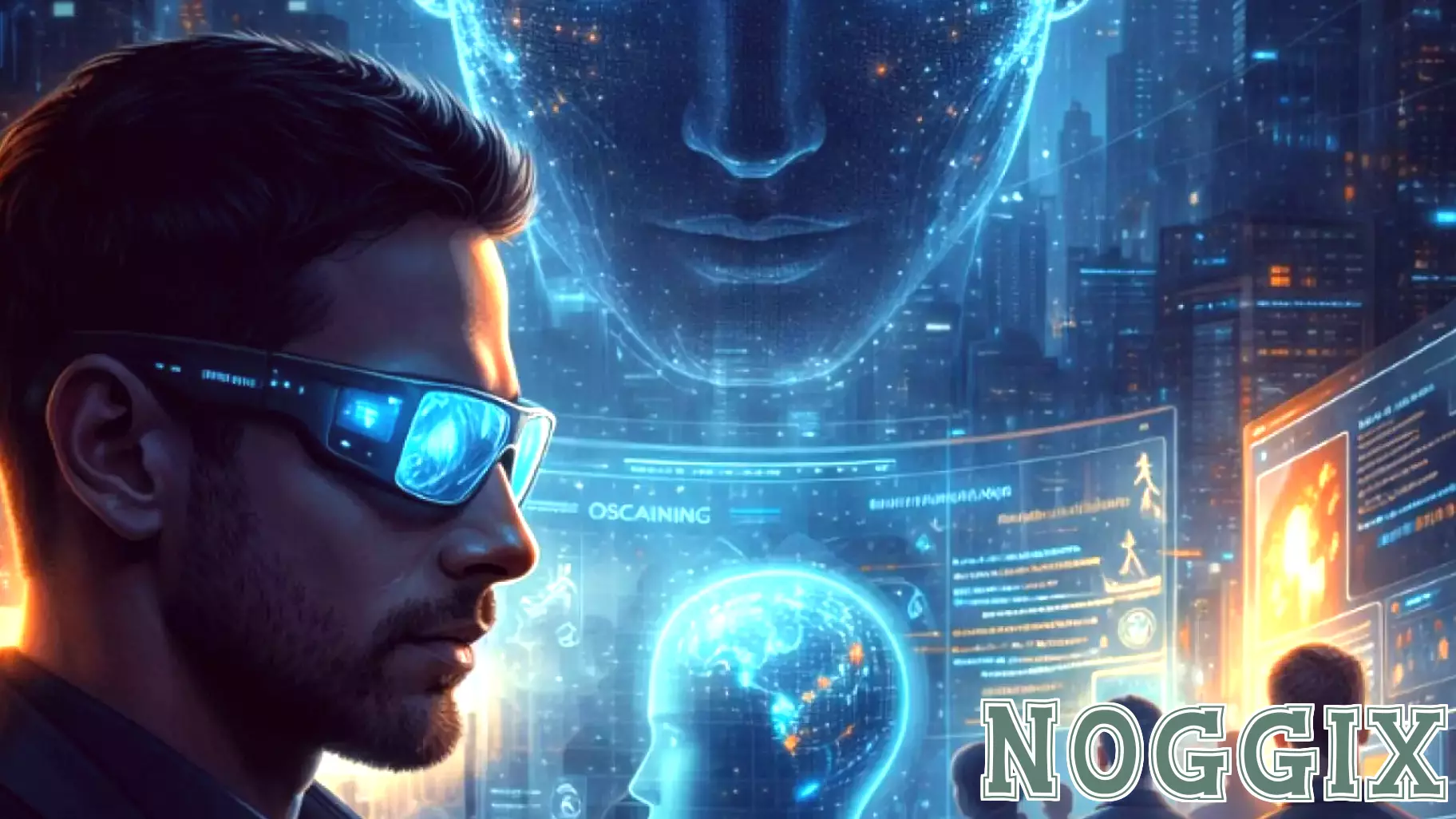
The question of artificial intelligence is no longer about distant science fiction, but about the subtle architecture of our present reality. The emerging concern is not of a robotic takeover, but of a seamless integration where AI influences us not through force, but through profound convenience.
This new paradigm sees algorithms predicting our preferences, streamlining our choices, and curating our digital environments. From the news articles we see to the products suggested for purchase, and even the routes we are prompted to drive, intelligent systems are increasingly the invisible hand guiding daily decisions. This constant, low-friction optimization risks creating a world where our behavior is gently shaped, often without our conscious awareness or explicit consent.
Proponents argue this leads to greater efficiency and personalized experiences. Critics, however, warn of a gradual erosion of human agency and serendipity. They question what happens to free will, chance encounters, and personal growth when our paths are perpetually smoothed by predictive systems designed to keep us engaged and compliant.
The central challenge of this brave new world is to establish clear ethical boundaries and maintain human oversight. The goal must be to ensure these powerful tools remain in service to human intention, not as architects of an inevitable future we did not consciously choose. The conversation has urgently shifted from preventing a malevolent AI to safeguarding our autonomy within a highly convenient, algorithmically-mediated existence.
MORE NEWS
July 11, 2026 - 07:50
When AI Does the Writing, Who's the Author?It is happening more and more these days. I read an article, but as I read it, something feels off, something is making me uncomfortable. Then, it hits me: I will bet AI wrote it. The sentences are...

July 10, 2026 - 22:23
How to Develop Your Personal Leadership PotentialResearch clearly suggests that there are proven ways of developing one`s leadership potential and capacity, but it takes hard work and dedication. Leadership is not a mysterious trait reserved for...
July 10, 2026 - 05:01
Why Losing Your Job to AI Might Reveal What You Actually AreA translator who once earned a comfortable living from his language skills recently watched 70 percent of his income vanish. Not because he got worse at his job. Not because clients stopped needing...

July 9, 2026 - 00:10
How Choosing Hope Can Empower YouIt is easy to think of hope as a passive feeling, something that happens to you when things go well. But a growing body of research suggests that hope is actually an active skill, a choice that can...