AI is Redefining Our Relationship with Knowledge
February 27, 2025 - 19:44
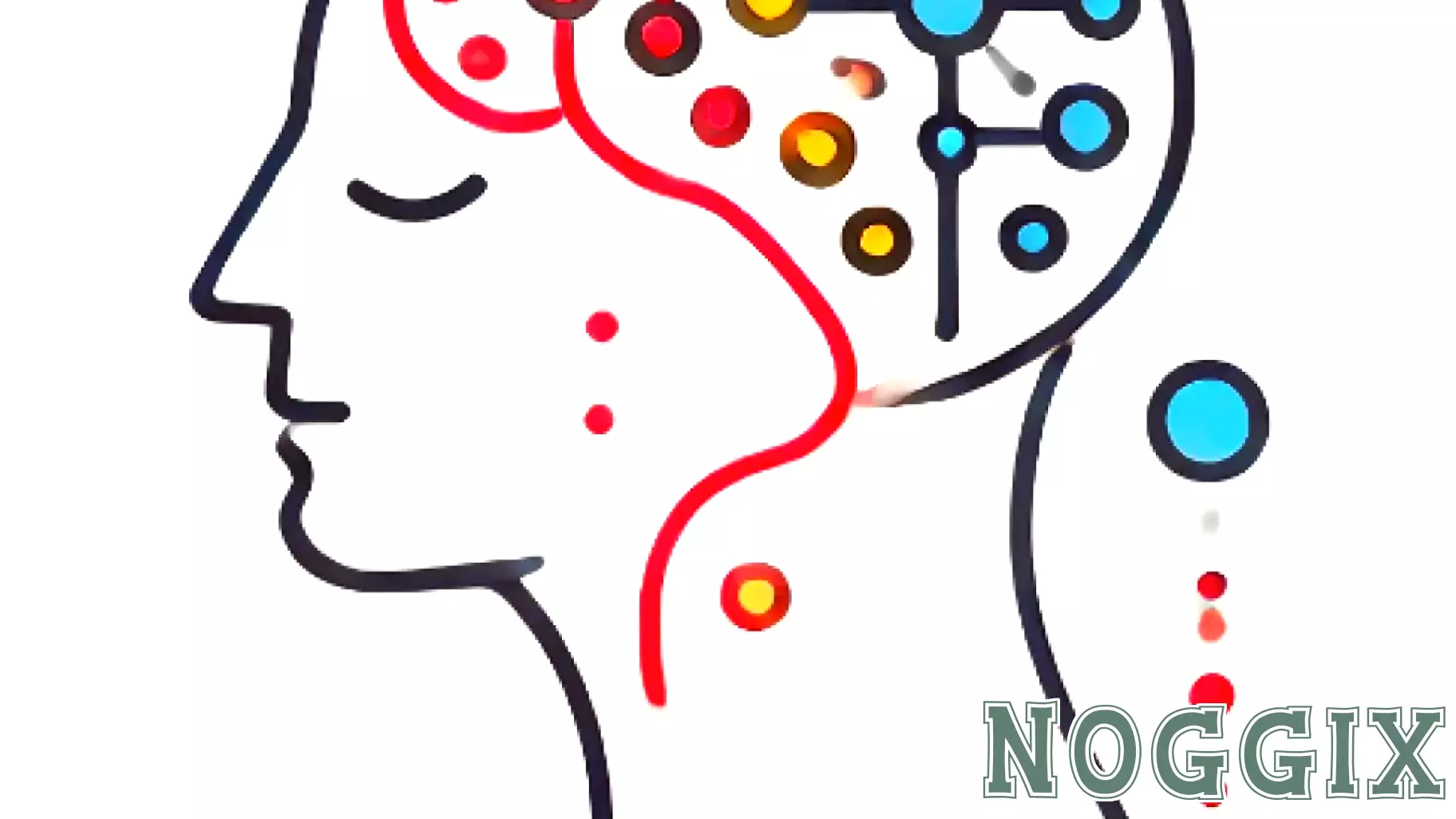
In the rapidly evolving landscape of artificial intelligence, we are witnessing a profound transformation in how we understand and interact with intelligence itself. Rather than simply replacing human cognition, AI is reshaping the very architecture of thought, encouraging us to rethink our approaches to learning and problem-solving. This shift marks a significant departure from traditional methods, as AI systems increasingly serve as collaborative partners in the exploration of knowledge.
As we navigate this cognitive age, the integration of AI into various sectors—education, healthcare, and business—highlights its potential to enhance human capabilities. By automating routine tasks and providing advanced analytical insights, AI empowers individuals to focus on higher-order thinking and creativity. This collaborative dynamic fosters an environment where human intuition and machine efficiency coexist, leading to innovative solutions and new avenues for discovery.
The implications of this shift are vast, prompting a re-evaluation of educational frameworks and professional practices. Embracing AI as a tool for augmentation rather than replacement can pave the way for a more informed and adaptive society. As we move forward, understanding this relationship will be crucial in harnessing the full potential of both human and artificial intelligence.
MORE NEWS

July 10, 2026 - 05:01
Why Losing Your Job to AI Might Reveal What You Actually AreA translator who once earned a comfortable living from his language skills recently watched 70 percent of his income vanish. Not because he got worse at his job. Not because clients stopped needing...

July 9, 2026 - 00:10
How Choosing Hope Can Empower YouIt is easy to think of hope as a passive feeling, something that happens to you when things go well. But a growing body of research suggests that hope is actually an active skill, a choice that can...

July 8, 2026 - 01:50
How Islamophobia Harms Us AllAttacks on Muslim political figures and distorted media portrayals continue to paint an entire faith community as a danger to the United States. But the real threat to national security and social...

July 6, 2026 - 02:50
Psychology says people who are extremely brand conscious aren't always trying to impress others, it may reNew research in consumer psychology suggests that people who are extremely brand conscious are not always trying to impress others or climb the social ladder. While many assume that buying...