Understanding the Spectrum: From Personality Traits to Personality Disorders
20 January 2026
Ever wondered why some people are naturally shy, while others are the life of the party? Or why your friend overanalyzes almost everything, while you prefer going with the flow? It’s all part of what makes up our personality. But have you ever thought about where regular personality traits end and where personality disorders begin?
Personality psychology is a deep, fascinating rabbit hole. We’re going to take a curious dive into the spectrum—from those everyday quirks and traits to more serious and disruptive patterns called personality disorders. Don't worry—we’ll keep things simple and relatable, just like chatting with a friend over coffee. So, grab your curiosity hat!
What is Personality, Anyway?
Before we can understand personality disorders, we have to get what personality even means.At its core, personality is the unique blend of thoughts, feelings, and behaviors that make you... well, you. It shapes how you experience the world and how others experience you. Think of it like your psychological fingerprint—no two people are exactly the same.
Your personality develops from a mix of your genes, upbringing, environment, and experiences. It’s that ever-evolving playlist that starts playing from the moment you're born.
Now, there are countless traits that make up personality—openness, introversion, conscientiousness, agreeableness, emotional stability, and so on. But here’s the kicker: these traits exist on a spectrum.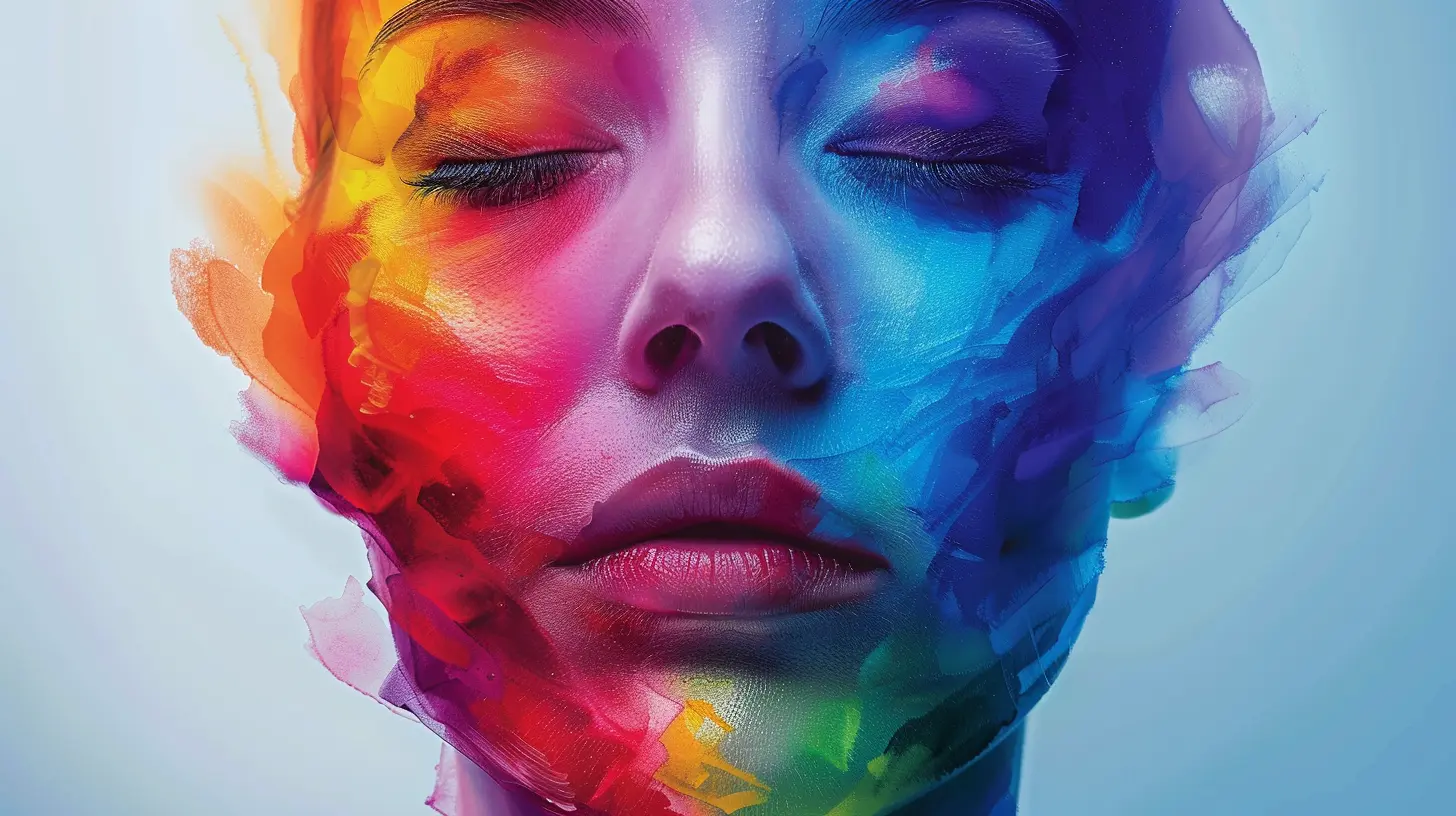
The Personality Spectrum: A Continuum, Not Categories
Imagine personality traits like a color gradient—from light to dark, with many subtle shades in between. Most of us live somewhere in the middle.Traits vs. Disorders: Where’s the Line?
Everyone has traits. Maybe you’re a bit obsessive about tidiness. Or you tend to be dramatic. That doesn’t mean you have a disorder.A personality disorder appears when certain traits become so rigid and extreme that they affect your ability to function day-to-day. It’s like volume knobs turned all the way up, with no option to tone it down.
The key difference lies in:
- Intensity: How strong are the traits?
- Duration: How long have they been around?
- Flexibility: Can the person adapt to different situations?
- Impact: Are the traits messing with work, relationships, or mental health?
If the traits start causing serious problems or distress—either for the person or people around them—they may cross the line into a personality disorder.
The Building Blocks: The “Big Five” Personality Traits
Let’s break it down. Psychologists often use a model called the Big Five to describe personality traits. These are:1. Openness to Experience – Creativity, curiosity, imagination
2. Conscientiousness – Organization, discipline, reliability
3. Extraversion – Sociability, enthusiasm, assertiveness
4. Agreeableness – Compassion, cooperation, trust
5. Neuroticism – Emotional reactivity, anxiety, moodiness
Think of these as sliders on a mixing board. Some people rank high on certain traits, others low—and that’s totally normal.
But when someone is extremely low or high on multiple traits and unable to adapt or manage their behavior, that’s when psychologists start to raise their eyebrows.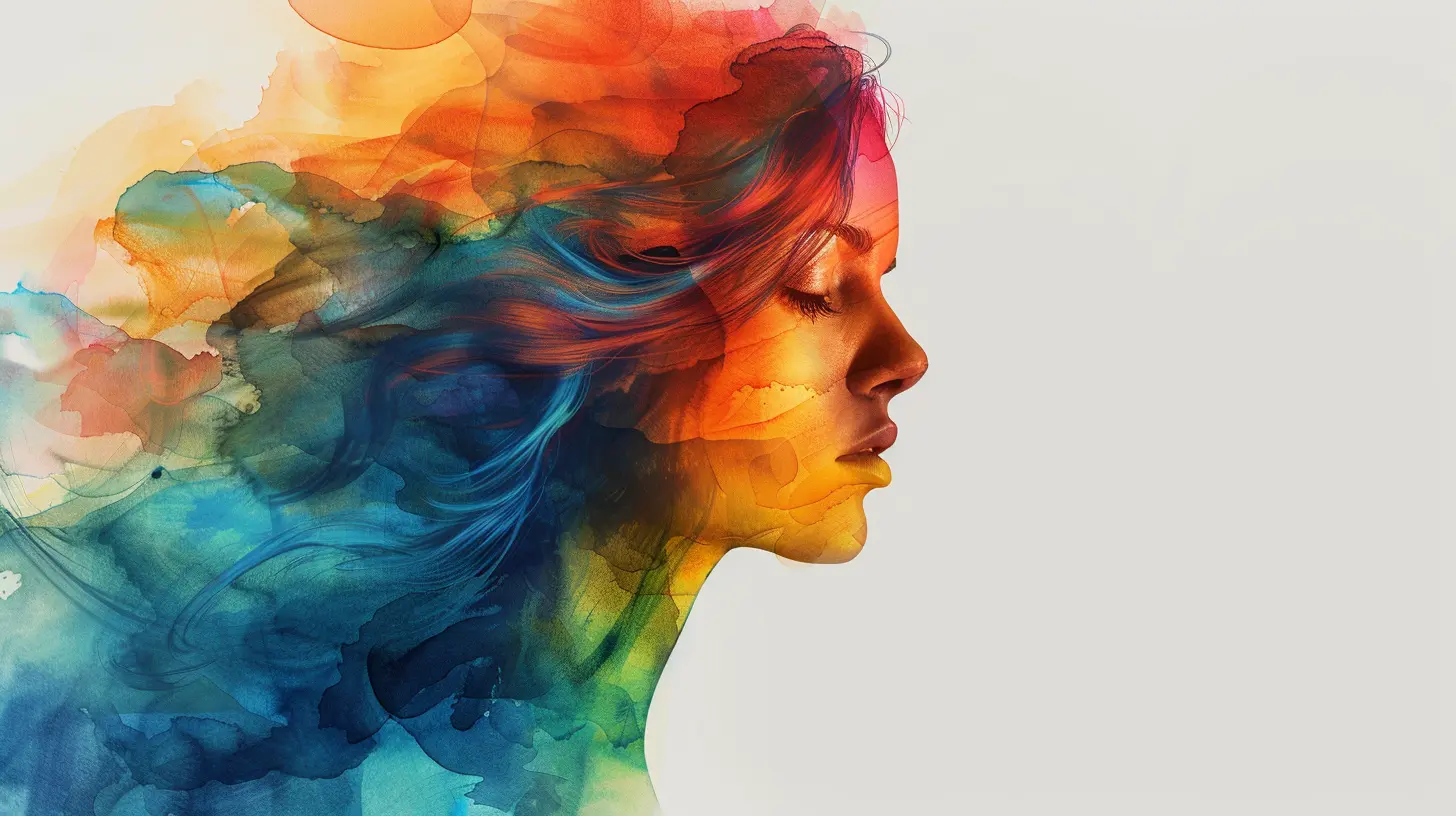
Personality Disorders: When Traits Become Troubles
Now, the world of personality disorders is pretty complex. In the DSM-5 (that’s like the mental health bible), there are 10 officially recognized personality disorders, grouped into three "clusters." Each cluster shares common themes.Cluster A: The Odd and Eccentric
- Paranoid Personality Disorder: Deep mistrust and suspicion of others—even without reason. Imagine constantly thinking others are out to get you.- Schizoid Personality Disorder: Detachment and indifference to social relationships. Like having zero interest in connecting emotionally.
- Schizotypal Personality Disorder: Odd beliefs, magical thinking, and social anxiety. Picture someone who blends awkwardness with unusual thinking patterns.
Cluster B: The Dramatic and Erratic
- Antisocial Personality Disorder (ASPD): Disregard for others' rights, lying, manipulation. Common in the “charming but dangerous” trope.- Borderline Personality Disorder (BPD): Intense emotions, fear of abandonment, unstable relationships. Living on an emotional rollercoaster.
- Histrionic Personality Disorder: Excessive emotionality and need for attention. Think drama turned up to eleven.
- Narcissistic Personality Disorder (NPD): Grandiosity, need for admiration, lack of empathy. The classic “all about me” archetype.
Cluster C: The Anxious and Fearful
- Avoidant Personality Disorder: Social inhibition, feelings of inadequacy. Like wanting friends, but feeling too scared to reach out.- Dependent Personality Disorder: Excessive need to be taken care of, clinginess. Always needing reassurance.
- Obsessive-Compulsive Personality Disorder (OCPD): Preoccupation with order, perfectionism, control. Way beyond simple neat freaks.
Here's the thing—these disorders aren’t labels. They’re more like patterns that can help guide treatment and understanding.
Nature vs. Nurture: What Causes Personality Disorders?
It’s the age-old question: is it in your genes or your jeans?Well, it’s usually both.
- Genetics: Studies show personality disorders often run in families.
- Environment: Childhood trauma, neglect, or abuse can play a massive role.
- Brain Differences: Some differences in brain structure and chemistry have been noted in people with certain disorders.
Let’s not forget: society, culture, and even media can shape personality. We’re all swimming in the same cultural soup.
Can Personality Disorders Be Treated?
Short answer? Yes, but it’s not always easy.Because personality patterns are deeply ingrained, they don’t change overnight. But therapy—especially Dialectical Behavior Therapy (DBT) and Cognitive Behavioral Therapy (CBT)—can be life-changing. Medication can help manage symptoms, especially if there are co-occurring issues like anxiety or depression.
And here's a twist: people with personality disorders often don’t seek help—many don’t even realize they have a problem. That’s what makes treatment tricky.
Labels vs. Lived Experience
Let’s take a step back.Labeling someone with a disorder can sometimes do more harm than good. It’s important to see the person behind the label. Personality is complex, and disorders aren’t black and white. They’re more like messy paint splatters on a canvas—chaotic, but still art.
Sometimes, people with emotion-driven personality disorders like BPD are dismissed as “too much" or “toxic." But these individuals often feel things more deeply than most and just lack the tools to cope.
So let’s replace judgment with curiosity, and labels with compassion.
Where Do You Fall on the Spectrum?
This isn’t about diagnosing yourself (or your annoying coworker). But it’s genuinely fascinating to think about where you land on the personality spectrum.Are you super conscientious? Do you notice a bit of social avoidant behavior in yourself? Maybe you have strong empathy, but sometimes it overwhelms you.
Self-reflection can be powerful—but it should be paired with professional guidance if you’re feeling stuck or overwhelmed.
Why This All Matters
Understanding the spectrum from personality traits to disorders isn’t just for psych students or therapists.It:
- Improves relationships: You’ll “get” people better (even the difficult ones).
- Builds empathy: You’ll stop judging quirks so harshly.
- Supports mental wellness: You’ll understand yourself on a deeper level.
Plus, it might just help you spot when someone could use a little compassion—or professional help.
Final Thoughts: Embrace the Spectrum
We’re all walking contrasts of strengths and struggles. Some of us are tidy to a fault, others too laid back. Some overthink everything; others leap before they look. This colorful spectrum makes humanity endlessly interesting.Yes, at the extreme end of the spectrum are disorders that need attention and care. But in many cases, what we see as “flaws” are just exaggerated strengths waiting to be balanced.
So, instead of boxing people into “normal” or “disordered,” let’s open up the conversation. Let’s talk about personality as a fluid, shifting thing—because let’s face it, we’re all a work in progress.
all images in this post were generated using AI tools
Category:
Personality DisordersAuthor:

Alexandra Butler
Discussion
rate this article
2 comments
Vito Hughes
This article effectively highlights the continuum between normal personality traits and personality disorders, fostering deeper understanding and awareness in psychology.
February 13, 2026 at 3:57 AM
Alexandra Butler
Thank you for your thoughtful comment! I'm glad to hear that the article resonates with you and promotes a deeper understanding of this important aspect of psychology.
Arwen McDermott
Personality isn’t black and white; it’s a rich spectrum. Embrace the complexity, and challenge the stigma surrounding personality disorders boldly.
January 21, 2026 at 6:09 AM
Alexandra Butler
Absolutely! Embracing the complexity of personality allows for a deeper understanding and compassion for those navigating the spectrum of traits and disorders. Thank you for highlighting this important perspective!