Understanding the Psychological Effects of Long-Term Isolation
30 April 2026
Let’s be honest — humans were never wired for solitude. From the very beginning, we’ve thrived in communities, tribes, and families. Connection isn’t just a want; it’s a basic need, like air, food, and water. So what happens when that connection is taken away for a long time?
Long-term isolation isn't just about being lonely on a quiet Sunday afternoon. It’s a slow, creeping change in how we think, feel, and experience the world around us. Whether it’s someone in solitary confinement, a person living alone for years, or even the global isolation many faced during the COVID-19 pandemic — the mental impact is real, deep, and often invisible.
In this article, we’re diving into the psychological maze of long-term isolation. We'll unpack what happens inside our minds, why we react the way we do, and how we can cope — or help others cope — with prolonged time alone. So grab a comfy seat, maybe a warm drink, and let’s talk about it.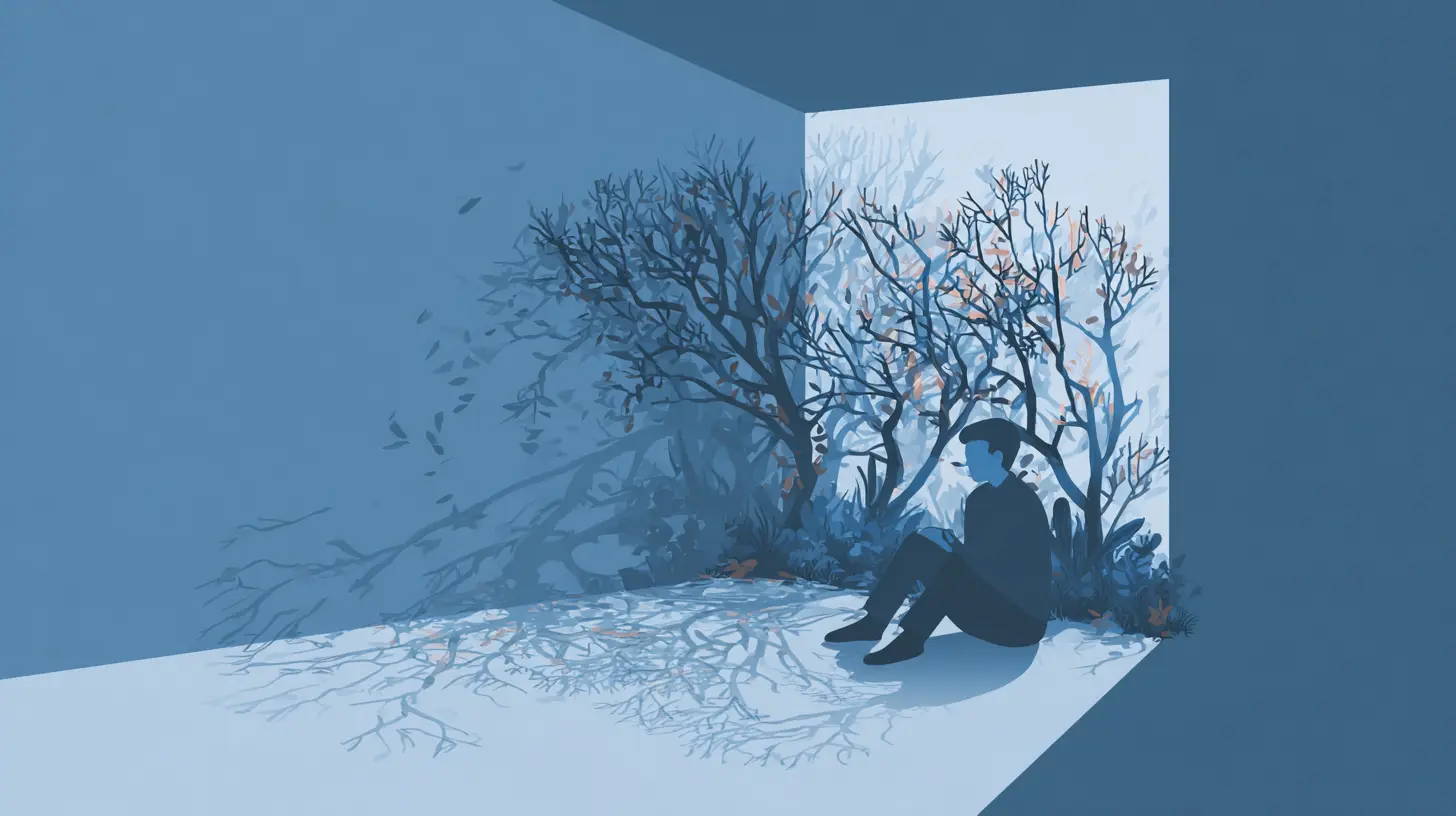
What Exactly Is Long-Term Isolation?
Before we get into the mental nitty-gritty, let’s get clear on what we're talking about. Long-term isolation isn't just spending a week working from home or missing a few social gatherings. It’s extended periods — weeks, months, even years — without meaningful social interaction.This can happen in various situations:
- Solitary confinement in prisons
- Elderly individuals living alone
- Astronauts on long space missions
- Remote workers or digital nomads in unfamiliar places
- Quarantines or lockdowns due to health crises
The common thread? A lack of regular, empathetic human contact.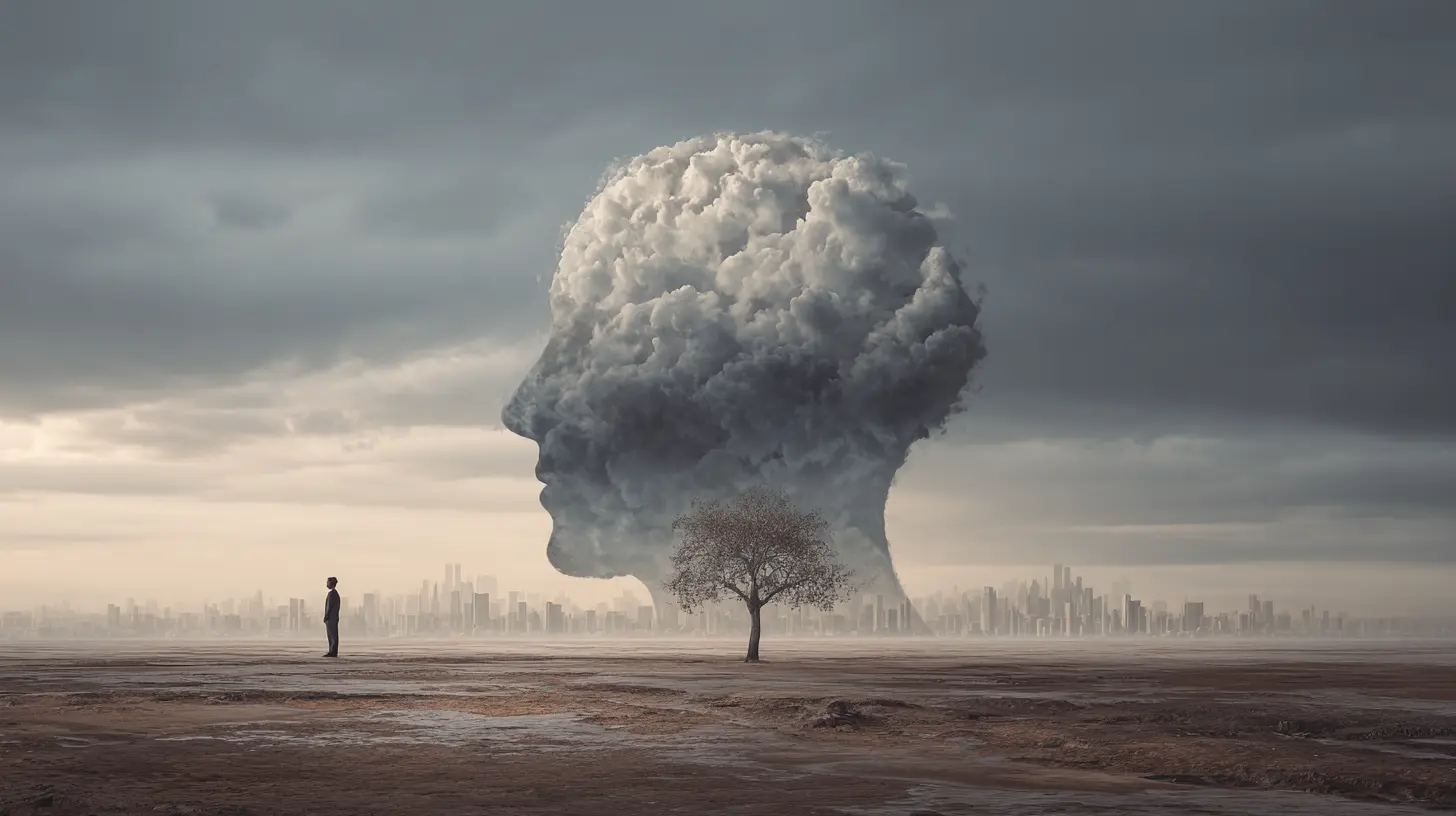
Why Social Connection Matters So Much
Our brains are social organs. Like, literally. From the moment we’re born, our brains are wired to seek out faces, voices, and touch. Relationships shape our development, sense of safety, and self-worth.When we lose that connection over time, our mental framework starts to shift — and not in a good way.
Think of it this way: Imagine your social life is like sunlight. When you have enough of it, you feel energized and balanced. But take it away for too long, and your internal ecosystem starts to wilt. Isolation is like emotional overcast — gray, draining, and hard to escape.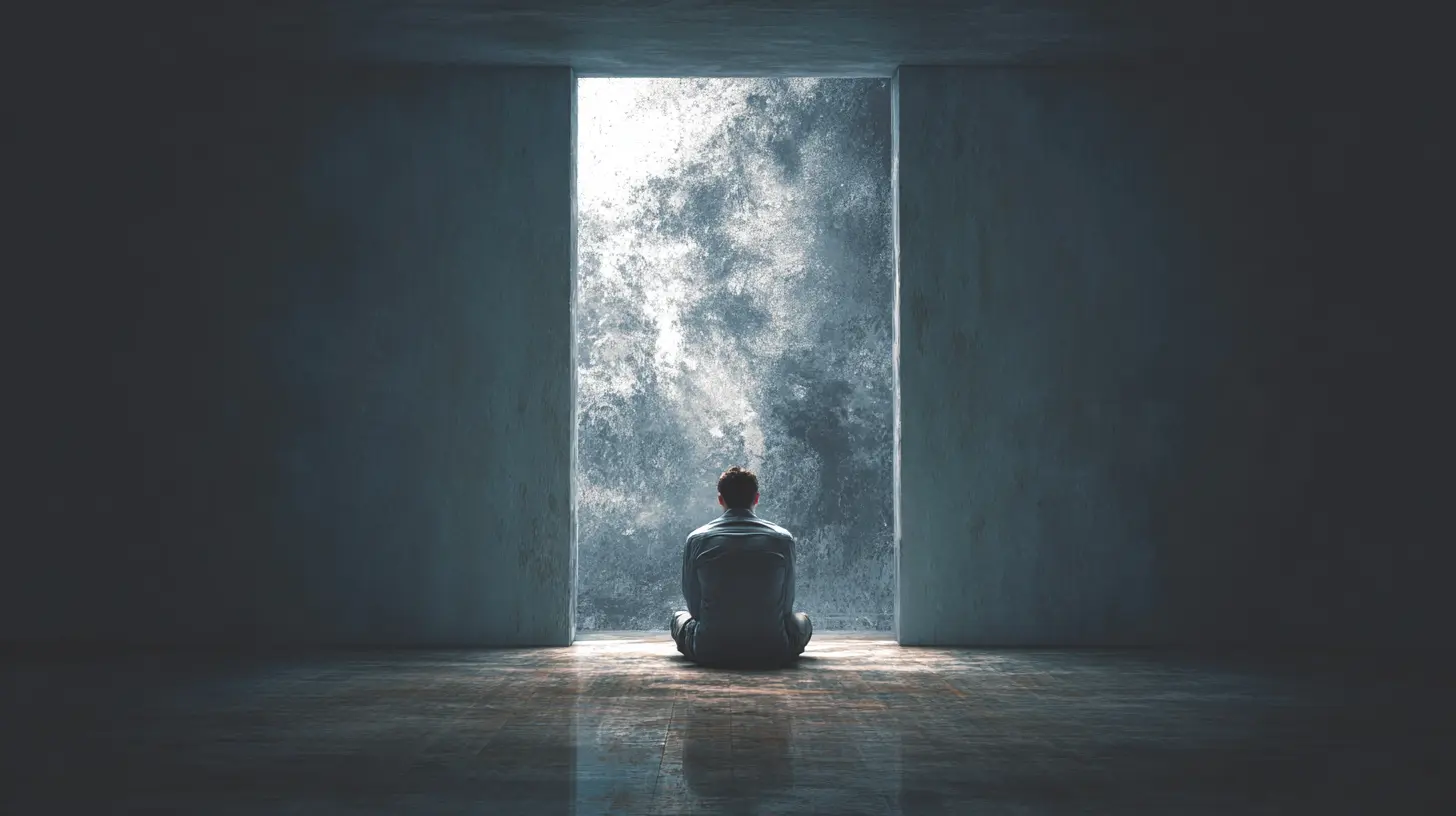
The Emotional Rollercoaster of Isolation
So, what does long-term isolation actually do to your emotions and thoughts? Well, buckle up — it’s not a gentle ride.1. Increased Anxiety and Panic
Without regular human interaction, our brain can go into overdrive. We often imagine worst-case scenarios or become hyper-aware of minor things. That’s anxiety talking.When you're isolated, your usual sources of comfort — a hug from a friend, a chat at lunch, even just being around people — are gone. It’s no surprise that your mind fills in the silence with fear.
2. Depression and Emotional Numbness
After weeks or months of solitude, many people start to feel emotionally flat. Things that used to be enjoyable start to feel meaningless.Why? Our brain relies on stimulation — especially social stimulation — to produce feel-good chemicals like dopamine and serotonin. When those aren’t flowing, depression can creep in like a heavy fog.
3. Distorted Thinking and Perception
Here's where it gets a bit trippy. Long-term isolation can actually mess with how you view reality. People start second-guessing their memories, doubting their self-worth, or even hearing voices. It’s not just imagination — it’s biology.In extreme cases, like solitary confinement, individuals have experienced hallucinations, intense paranoia, or loss of sense of time. It’s not a sign of weakness; it's how the brain reacts to extreme stress and lack of social grounding.
The Physical Effects You Might Not Expect
We often think mental and physical health are separate, but they’re more intertwined than we realize. Long-term isolation doesn’t just weigh on the mind — it hits the body too.1. Weakened Immune System
Loneliness and isolation can trigger chronic stress. And when that stress hangs around, it lowers your immunity. That means you’re more likely to get sick and take longer to bounce back.2. Poor Sleep Patterns
Without social cues and routines, your body’s internal clock — also known as the circadian rhythm — can get thrown off. That means messed-up sleep schedules, longer time falling asleep, or waking up feeling unrested.3. Changes in Appetite and Physical Activity
Some people eat more out of boredom or emotional hunger. Others forget to eat altogether. Without the daily dance of social life, our motivation to care for our bodies can slowly disappear.Cognitive Decline: The Silent Struggle
This one is especially common among the elderly. Cognitive functions — like memory, attention, and problem-solving — can decline more rapidly in people who are socially isolated.Why? Because the brain is like a muscle. If it’s not being “worked out” through conversations, challenges, and new experiences, it starts to shrink. In fact, research has linked chronic loneliness with an increased risk of developing dementia.
The Personality Shift That No One Talks About
Being alone for long periods doesn’t just affect how we feel — it can change who we are.Some people become more introverted, withdrawn, or distrustful of others. They might start to fear social interactions or feel overwhelmed by crowds. Social skills can get rusty, just like a muscle that hasn’t been used.
And sadly, the longer someone stays isolated, the harder it becomes to reintegrate. It's not a character flaw — it's a psychological adaptation to survive in solitude.
Coping Mechanisms: How People Adapt (For Better or Worse)
Humans are incredibly adaptable. When faced with isolation, we often develop coping habits — sometimes healthy, sometimes not-so-much.Healthy Coping Strategies:
- Routine-building: Keeping a structured day can provide stability.- Creative outlets: Writing, painting, making music — all ways to express emotion.
- Virtual connections: Talking to friends via video calls can help ease the loneliness.
- Mindfulness or meditation: These can ground you and reduce anxiety.
Not-So-Healthy Coping Strategies:
- Substance abuse: Drinking or drug use to numb emotional pain.- Excessive screen time: Endless scrolling can offer temporary distraction but make you feel emptier later.
- Avoidance: Ignoring responsibilities or emotions instead of confronting them.
Awareness is key here. If we know how we’re coping, we can start to shift toward healthier habits.
What You Can Do if You're Feeling the Effects
So maybe you’re reading this and recognizing some of these signs in yourself or someone you love. First off, you’re not alone — and there is hope.Here are a few gentle ways to start turning the tide:
- Reach out to someone — anyone. Even a brief conversation with a neighbor or a video call with family can light a spark.
- Create a daily ritual. Something small and consistent: a morning walk, journaling, or tea time.
- Challenge your thoughts. If you’re feeling worthless or scared, ask yourself, “Is this really true? Or just the isolation talking?”
- Talk to a therapist. Therapy isn’t just for crises; it’s a safe space to unpack how you’re feeling.
- Volunteer or help others. Ironically, giving support is a powerful way to feel connected yourself.
How to Support Someone in Isolation
If you’re reading this for someone else, thank you. That already means you care. Here are some ways to gently support a loved one who may be struggling with isolation:- Check in regularly. Even a daily text can make someone feel seen.
- Offer practical help. Grocery runs, medicine pick-up, or tech setup for virtual calls can make a big difference.
- Be present — even from afar. Sometimes sitting together in silence on a video call can be more powerful than words.
- Encourage professional help. Suggesting therapy or support groups can be life-changing.
The Light at the End of the Tunnel
Look, isolation is tough. It’s heavy, and it can feel endless. But here's the thing: Human connection is remarkably healing. The effects of long-term isolation don’t have to be permanent. Brains are resilient. Hearts are, too.With time, effort, and often a helping hand, people can — and do — bounce back. It’s all about small steps, courage, and compassion — for yourself and others.
So whether you’re currently feeling the sting of solitude, or you’re supporting someone who is, know this: connection is always possible. Sometimes it starts with something as simple as saying, “Hey, I’m here.”
Final Thoughts
Understanding the psychological effects of long-term isolation helps us take better care of our minds, our relationships, and our communities. It reminds us that we need each other — not just for fun or comfort, but for survival.So if you're feeling the weight of isolation today, take a breath, reach out, and remember: you may feel alone, but you're not forgotten.
all images in this post were generated using AI tools
Category:
Psychological ResearchAuthor:

Alexandra Butler
Discussion
rate this article
1 comments
Mae McLaughlin
Long-term isolation can deeply affect mental health resilience.
June 4, 2026 at 3:30 PM
Alexandra Butler
I completely agree. Long-term isolation can create significant challenges for mental health, often eroding resilience and exacerbating feelings of loneliness and despair. It's crucial to address these issues actively.