Understanding the Impact of Domestic Violence on Mental Health
4 May 2026
Let’s be honest—nobody likes talking about domestic violence. It's heavy. It's heartbreaking. And if we're being real, it's way more common than we’d like to admit. But you know what? It’s necessary to shine a light on it because silence just keeps the cycle spinning.
Today, I want to take you on a journey—not a scary one, but an eye-opening one—into how domestic violence messes with mental health. No clinical jargon, no scary stats (well, maybe a few important ones), just a real, raw, and compassionate conversation. Are you with me?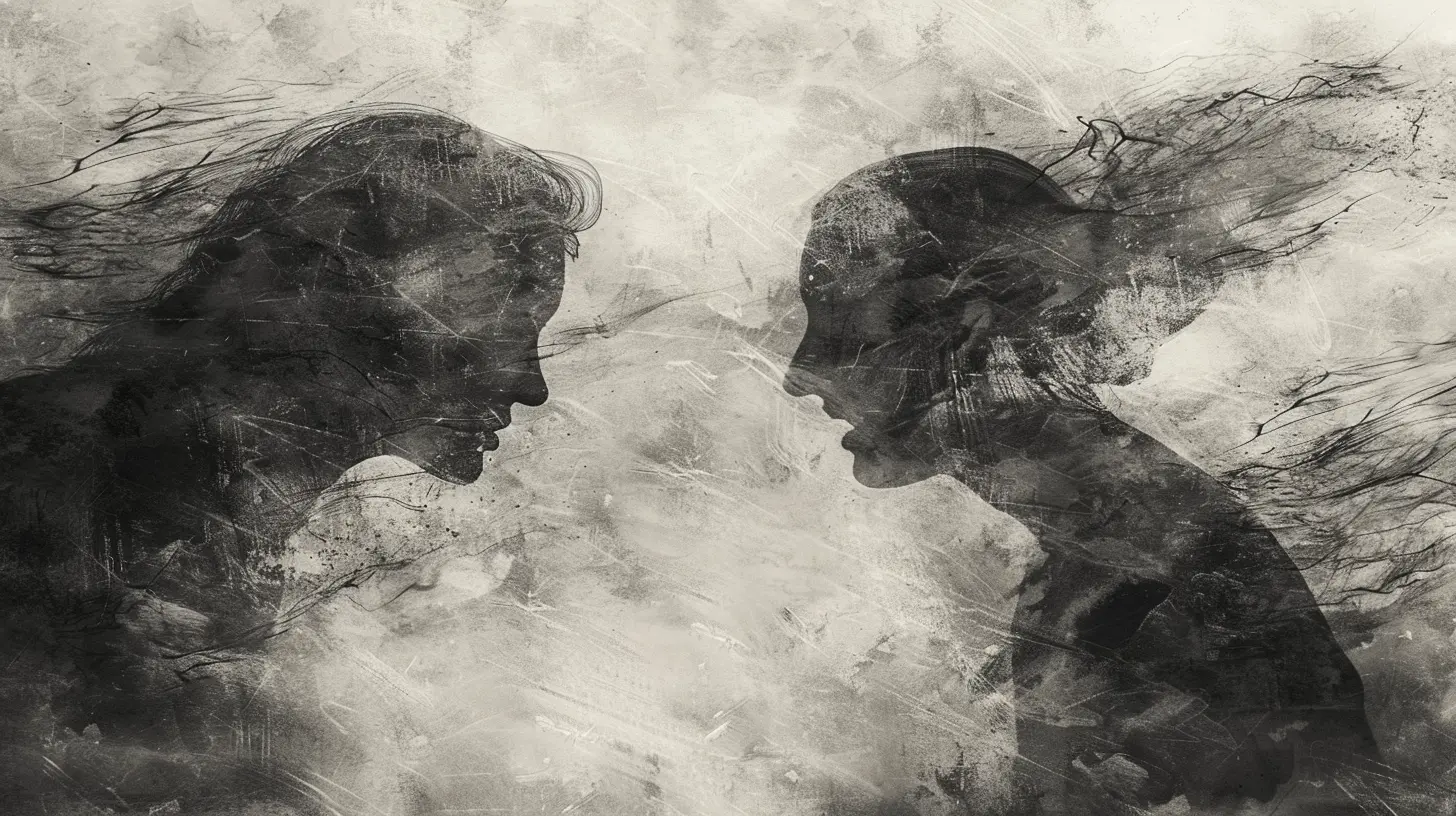
What Is Domestic Violence, Really?
Okay, first thing’s first—when we hear “domestic violence,” most of us picture something physical, right?But here’s the deal: it's not always about bruises or broken bones. Domestic violence can be emotional, verbal, financial, even psychological. It’s that constant fear, the walking-on-eggshells vibe, the gaslighting that makes you question your worth (and maybe your sanity).
Think of it as a toxic fog that creeps in slowly, making it hard to breathe, even harder to see clearly.
So yeah, it’s not just about what happens on the outside. The real scars often run way deeper—right into the mind and the soul.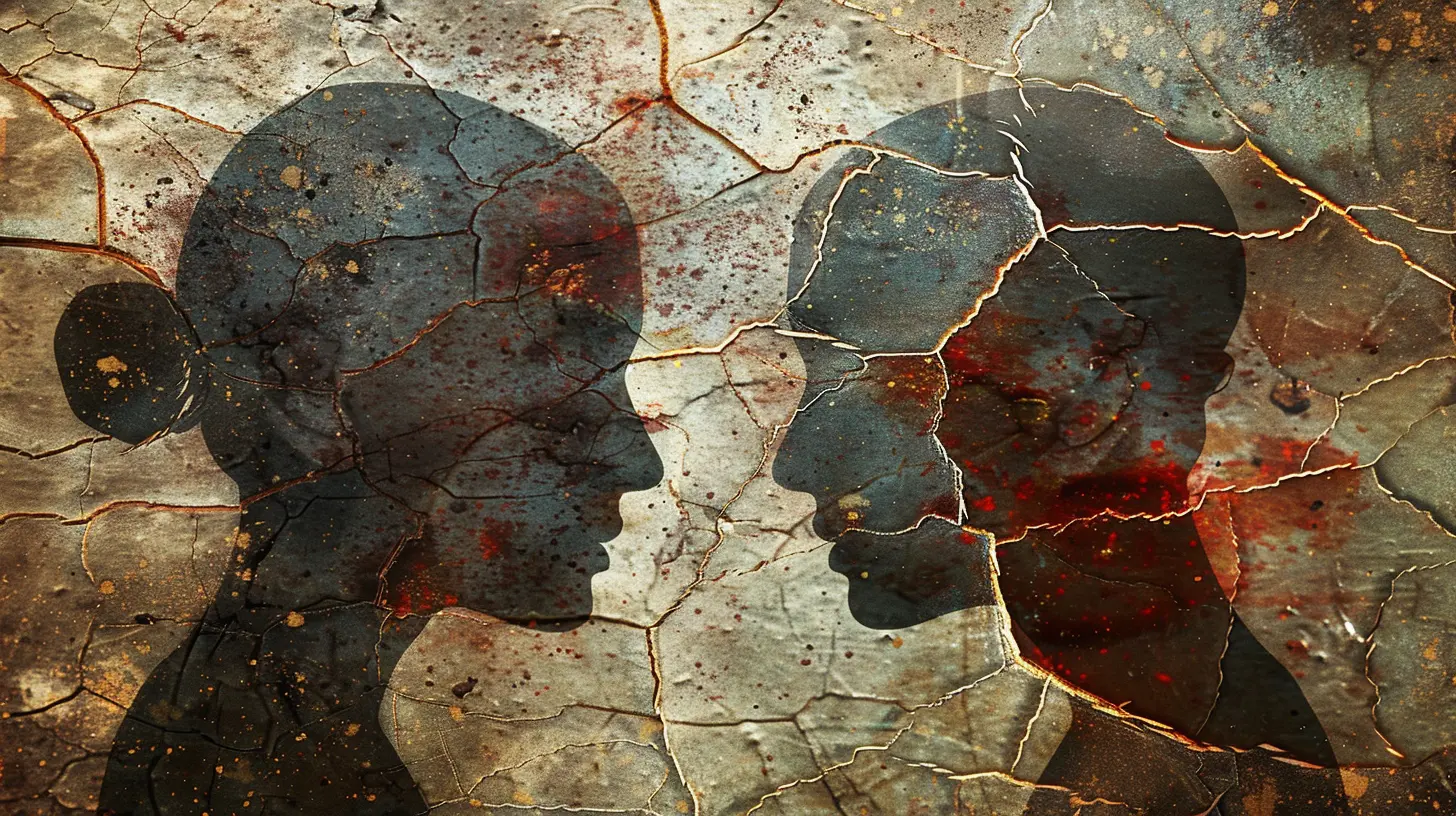
The Mind Under Attack: How Abuse Affects Mental Health
Now let’s dive into the heart of the matter. How exactly does domestic violence impact mental health?In short: it shakes your mental foundation. Imagine building a cozy little house of self-worth and peace, only to have someone constantly bulldozing through it.
Let’s break it down.
1. Anxiety on Overdrive
Abuse often comes with unpredictability. One moment things are calm, the next—it feels like war. This constant flip-flop can crank your anxiety levels through the roof.You start second-guessing everything. Simple things—like answering a question or choosing what to wear—suddenly feel like landmines.
And here’s the kicker: even after the abuse ends, that internal panic button keeps getting pushed. You’re always waiting for the other shoe to drop.
2. Depression: The Silent Weight
Feeling stuck, worthless, hopeless? That’s not just “a bad day.” That’s depression creeping in—and it’s incredibly common for survivors of domestic violence.When someone constantly puts you down or manipulates you, your inner voice starts to mimic them. You stop believing in yourself. You lose interest in stuff you used to love. You might even wonder if things will ever get better.
And that’s a scary, lonely place to be.
3. PTSD: Not Just for Soldiers
Here’s a surprise for many—post-traumatic stress disorder (PTSD) isn’t just for war veterans. Survivors of domestic violence are prime candidates.Flashbacks, nightmares, hypervigilance (aka jumping at every little sound)—yep, it’s all part of the PTSD package. Your brain basically gets stuck in “survival mode,” constantly scanning for danger, even when you're safe.
It’s exhausting.
4. Low Self-Esteem and Identity Struggles
Imagine being told you’re “not good enough” a hundred times a week. Or that “no one else will ever love you.” Over time, those words don’t just sting—they settle in.Victims of abuse often lose their sense of who they are. They question their value, their abilities, their right to feel happy.
It’s like someone slowly erases your reflection until you don’t quite recognize yourself anymore.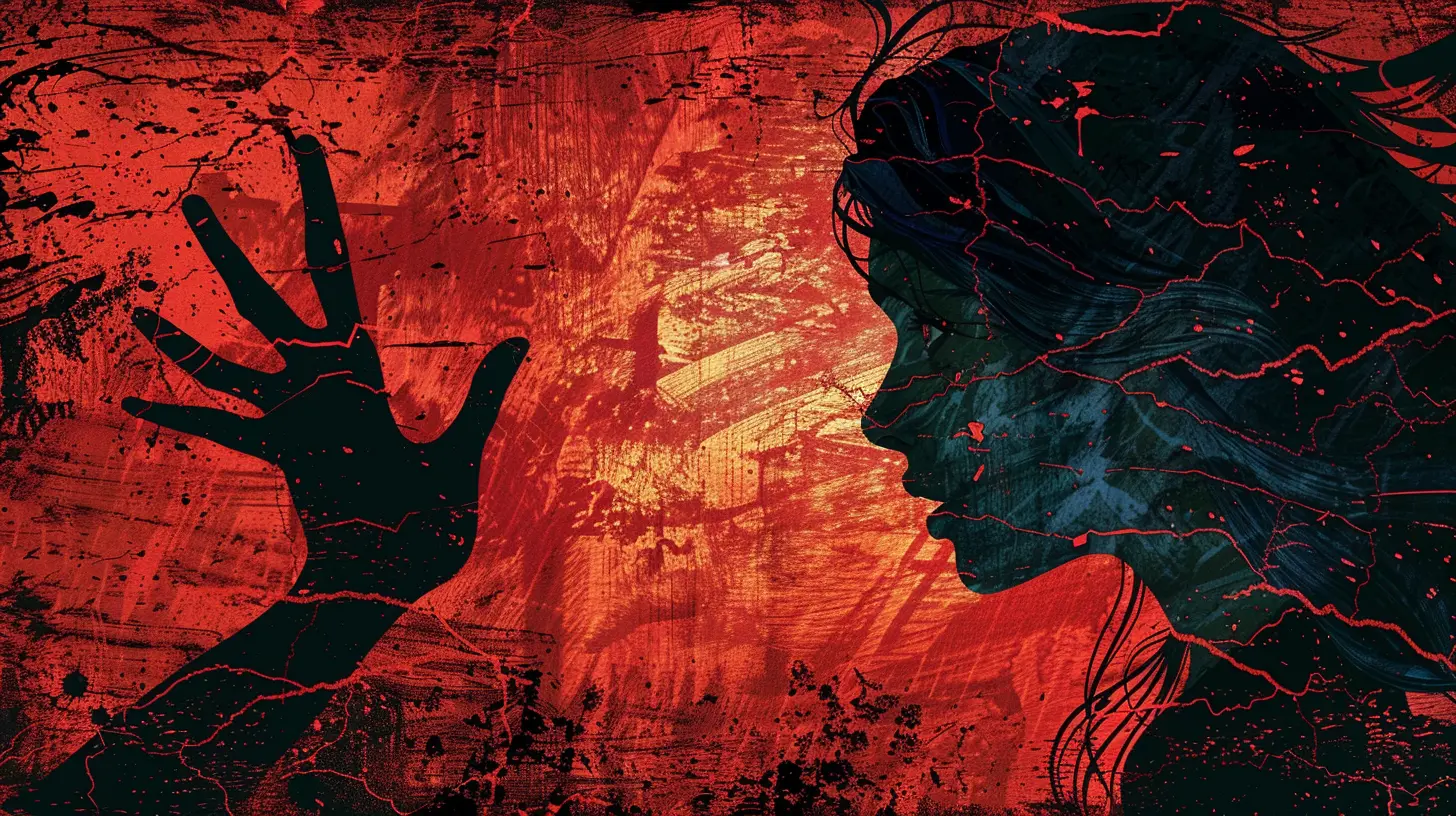
Why It's More Complicated Than Just “Leaving”
“Why don’t they just leave?”—if only it were that simple.Here’s the uncomfortable truth: leaving an abusive relationship doesn't magically fix the mental damage caused. In fact, sometimes things can get worse before they get better.
Survivors might feel guilt, shame, fear of retaliation, or isolation. Not to mention the trauma they carry like baggage that nobody sees.
Leaving abuse is a process. Healing is a journey, not a pit stop.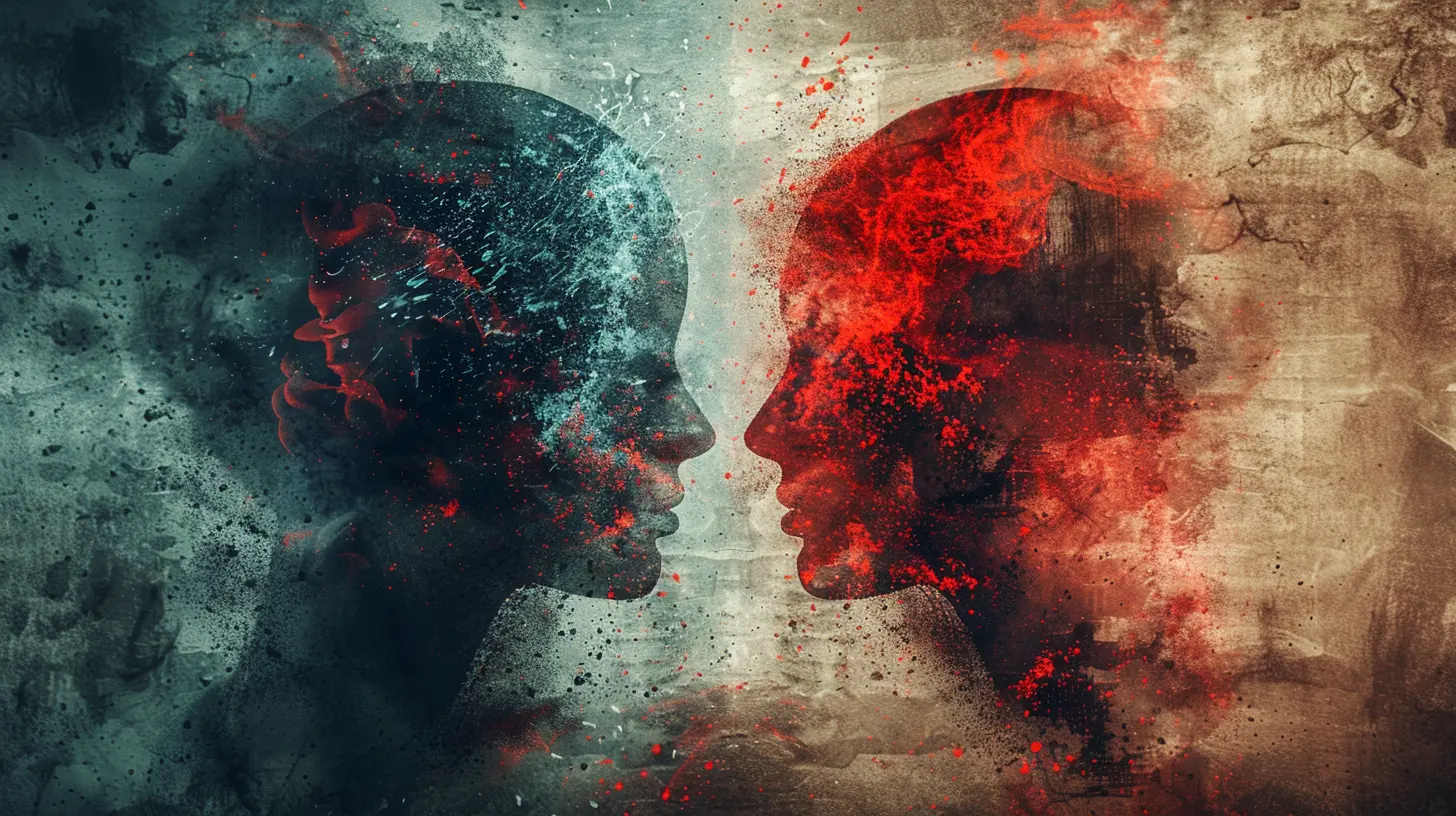
Kids Get Hurt Too: The Hidden Victims
Let’s not forget the little hearts in the room—children.Even if the abuse isn’t directed at them, just witnessing violence can traumatize young minds. It’s like giving a child a front-row seat to chaos.
They grow up thinking love and pain go hand-in-hand. They might struggle with behavior issues, trust, emotional regulation, and relationships down the line.
Early intervention and support can be life-changing for them. Seriously.
The Long-Term Psychological Fallout
Here’s the part most people don’t talk about enough—domestic violence doesn’t always end when the relationship does.Survivors often deal with long-term mental health issues like:
- Chronic anxiety
- Depression
- Substance abuse
- Difficulty forming healthy relationships
- Suicidal thoughts
Yep, it’s that serious. That deep. That lasting.
But you know what else lasts?
Strength. Resilience. Hope.
Healing Is Possible (Even If It Doesn’t Feel Like It Right Now)
If you or someone you love has lived through domestic violence, I want to say this loudly: You can heal. You are not broken. You are not alone.Healing doesn’t follow a straight line. Some days you’ll feel strong, others you’ll feel like a wreck. That’s normal. That’s human.
Here's how many survivors kick-start their healing journey:
1. Therapy Is a Lifesaver
A good therapist can help untangle the web of trauma. Whether it’s through cognitive behavioral therapy (CBT), EMDR, or trauma-focused counseling, the right help matters.Seriously, talking it out? Game-changer.
2. Support Groups = Safe Spaces
There’s nothing like being in a room (virtual or otherwise) with people who get it. No judgment, no shock—just understanding.Groups like these remind you that you're not alone and help chip away at that isolation.
3. Self-Care Isn’t Selfish
Taking care of your mental health might mean journaling, taking long walks, meditating, or just binge-watching your favorite sitcom without guilt.Whatever it is, pour into yourself like you would a friend who's hurting.
4. Set Boundaries Like a Boss
Once you’re out of the danger zone, learning to say “no” and protect your peace is key. Boundaries are your new BFF. Trust them.Let’s Talk About Prevention (Because That’s Where It Starts)
Talking about mental health and domestic violence isn’t just for survivors—it’s for all of us. When we raise awareness, we change the narrative.So how can we help prevent domestic violence and its impact?
- Teach kids about healthy relationships early.
- Speak up when we see warning signs.
- Support organizations doing the work (time, money, social shares—whatever you can give).
- Check in on friends who seem “off”—sometimes that one message makes all the difference.
Final Thoughts: You're More Than What Happened to You
If you’re reading this and thinking, “This hits close to home”—I see you. Whether you're a survivor, still finding your way out, or supporting someone else, know this:Your story isn’t over. Your trauma doesn’t define you. Healing doesn’t have to be pretty or perfect to be powerful.
Mental health matters—and you deserve to protect yours fiercely.
One step at a time, okay? You’ve got this.
Resources (Because Support ≠ Weakness)
Here are some resources that can help:- National Domestic Violence Hotline: 1−800−799−SAFE or text “START” to 88788
- Psychology Today therapist finder
- Local women’s shelters and support groups
- Online forums like Reddit’s r/domesticviolence for peer support
- Mental health apps like BetterHelp or Calm
And remember—asking for help is the opposite of weakness. It's bravery in action.
all images in this post were generated using AI tools
Category:
Clinical PsychologyAuthor:

Alexandra Butler
Discussion
rate this article
1 comments
Iliana Palmer
Domestic violence leaves deep psychological scars that often lead to long-term mental health issues. Recognizing this impact is essential for effective support and healing.
May 14, 2026 at 4:05 AM
Alexandra Butler
Absolutely. Acknowledging the lasting effects of domestic violence is crucial for providing the right support and fostering healing for survivors.