The Science Behind PTSD: How Therapy Can Help
27 May 2026
Let’s talk about something many of us hear about, but often don’t fully understand — PTSD, or Post-Traumatic Stress Disorder.
You've probably seen it mentioned in movies, TV shows, and news articles, especially when referring to veterans or people who've had traumatic experiences. But PTSD isn't limited to soldiers or major disasters. It can affect anyone who’s been through something deeply distressing.
If you've ever wondered what’s really going on in the brain when someone has PTSD, and more importantly, how therapy can help put the pieces back together, you’re in the right place.

What Exactly Is PTSD?
First things first — PTSD stands for Post-Traumatic Stress Disorder. It's a mental health condition that can develop after someone experiences or witnesses something traumatic. This might include:- Natural disasters
- Car accidents
- Physical or emotional abuse
- Serious illness
- Combat or war
Now, not everyone who goes through trauma will develop PTSD. That’s a key point. Sometimes people feel shaken up for a little while but then gradually get back to feeling like themselves. But for those with PTSD, the effects linger... and often intensify.
Think of it like this: imagine your brain has a control room, and trauma acts like a lightning strike that shorts out some of the wires. PTSD happens when the brain struggles to “reboot” properly, and that glitch keeps replaying the trauma like a broken record.

Common PTSD Symptoms: More Than Just Flashbacks
We often hear that PTSD is about “flashbacks,” but that’s just one piece of the puzzle. Symptoms usually fall into four categories:1. Intrusion
This is when the trauma barges in uninvited. Nightmares, flashbacks, and distressing memories that make a person feel like they're right back in the moment.2. Avoidance
People might try to steer clear of anything that reminds them of the event — even thoughts or feelings. It's like mentally slamming the door shut, refusing to look back.3. Negative Changes in Thinking and Mood
This can include memory problems, feeling detached from others, persistent negativity, or even losing interest in things once enjoyed.4. Changes in Physical and Emotional Reactions
Also known as hyperarousal. We're talking about being easily startled, feeling on edge, trouble sleeping, or even outbursts of anger.Sound intense? It is. But science is on our side — and therapy, when done right, can be life-changing.
The Brain on Trauma: What's Happening in There?
Let’s geek out a bit — not too much, I promise.When someone goes through trauma, their brain goes into survival mode. The parts of the brain associated with fear and memory — mainly the amygdala, hippocampus, and prefrontal cortex — get heavily involved.
🧠 The Amygdala: The Alarm Bell
The amygdala is your brain’s smoke detector. It's responsible for spotting danger and launching your fight-or-flight response. In PTSD, the amygdala gets hyperactive — always on alert, like a car alarm going off at the slightest vibration.🧠 The Hippocampus: The Memory Keeper
This part helps you understand time and space in your memories. With PTSD, the hippocampus shrinks (yup, literally), making it harder to distinguish between past and present. That’s why a loud bang might feel like you’re back in the war zone instead of on your couch.🧠 The Prefrontal Cortex: The Voice of Reason
This area helps you think logically and regulate emotions. PTSD makes it less active, so calming yourself becomes incredibly difficult. In short, the brain’s “brakes” fail when the “gas pedal”—the amygdala—is stuck down.Knowing all this, it makes sense why people with PTSD often feel constantly “on,” even when they know they’re safe.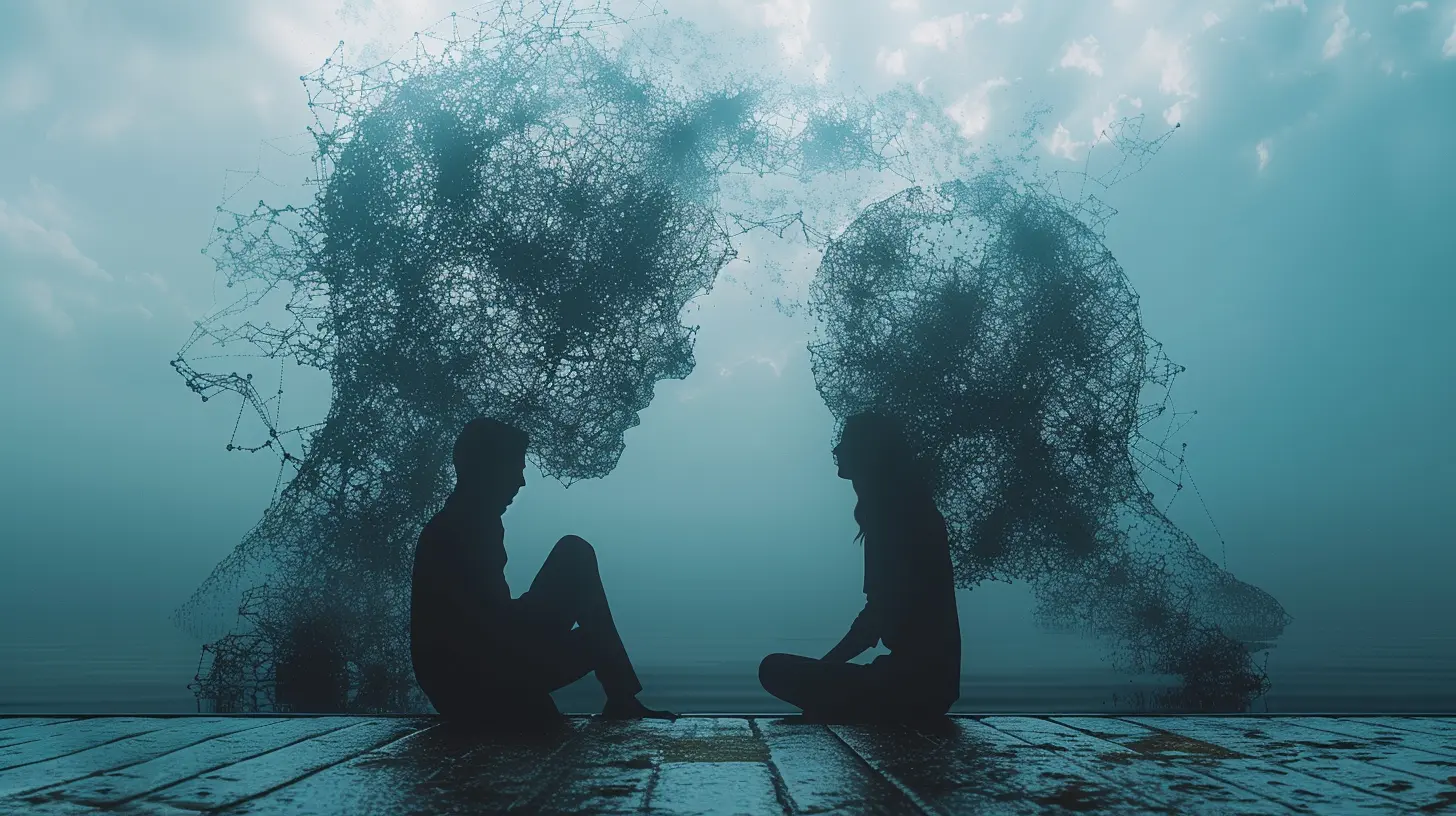
Why Therapy Matters: Rewiring a Traumatized Brain
Here’s the good news: therapy works. We used to think the brain was fixed, but neuroscience says otherwise. It’s like a muscle that can be trained and reshaped — this is called neuroplasticity.In PTSD treatment, therapy helps create new patterns, calm overactive regions, and strengthen those brain "brakes" again.
Let’s look at some types of therapy that are making real waves in PTSD recovery:
1. Cognitive Behavioral Therapy (CBT)
CBT is like spring cleaning for your mind. It helps you identify and change unhelpful thought patterns. If your brain keeps screaming, “You’re not safe!” CBT asks, “Is that actually true right now?”How it helps:
- Reframes negative beliefs
- Reduces fear responses
- Builds coping strategies
It’s structured, goal-oriented, and often includes homework. Yes, therapy has homework — but it’s for a good cause.
2. Prolonged Exposure Therapy (PE)
This one’s tough but powerful. Instead of avoiding the trauma, clients gradually face it — in a safe, controlled environment.Sounds scary, right? But think of it like getting into the cold pool inch by inch. PE reduces the power of those memories by helping your brain realize, “I’m not in danger anymore.”
How it helps:
- Desensitizes traumatic triggers
- Builds emotional resilience
- Creates new, empowering associations
3. Eye Movement Desensitization and Reprocessing (EMDR)
This one’s unique — and popular. EMDR involves thinking about the trauma while following a set of rapid eye movements or other bilateral stimulation (like tapping).It's like your brain gets unstuck and starts processing the trauma more effectively, like a stalled file finally uploading.
How it helps:
- Processes traumatic memories without re-traumatizing
- Decreases emotional intensity
- Strengthens emotional control
4. Group Therapy and Peer Support
Sometimes, healing happens in community. Group therapy lets people know they’re not alone. Sharing stories, offering support, and feeling heard can break the isolation that PTSD often brings.How it helps:
- Builds connection
- Encourages empathy
- Creates a safe space for vulnerability
5. Somatic and Body-Based Therapies
Trauma doesn’t just live in the brain — it settles in the body. Therapies like Somatic Experiencing, yoga, and breathwork tap into physical healing.Ever notice how your stomach knots up when you’re stressed? That’s trauma hanging out in your nervous system.
How it helps:
- Releases tension and stored trauma
- Restores sense of safety in the body
- Promotes mind-body integration
Therapy Isn’t One-Size-Fits-All
What works for one person might not work for another. Some people find talk therapy helpful, others need body-based approaches. There’s no “wrong” path — just the one that fits.The key is starting. Choosing a therapist trained in trauma can make a world of difference. And guess what? You don’t need to be at your lowest to seek help.
Debunking the Myths Around PTSD and Therapy
Let’s clear up some common misunderstandings:“Therapy means I’m weak.”
Nope. Reaching out is a sign of strength — it takes guts to face the tough stuff.“Only soldiers get PTSD.”
While military veterans are at high risk, anyone can develop PTSD after a traumatic event.“I’ll have PTSD forever.”
Not necessarily. Many people recover fully or learn to manage symptoms effectively with time and the right support.PTSD Recovery Is a Journey, Not a Race
Healing from trauma is like learning to walk again after a fall. It might hurt at first, and progress might be slow, but every step counts.Some days will feel heavy. Others will feel like breakthroughs. The goal of therapy isn’t to erase the past — it’s to make peace with it so it doesn’t control your future.
Picture your trauma like a storm. Therapy hands you the tools to build a shelter — not to pretend the storm never happened, but to stay safe when it comes again.
How to Support Someone With PTSD
If someone you care about is dealing with PTSD, you don’t need to “fix” them — you just need to walk beside them. Be patient. Be present. Encourage therapy gently but don’t push.And remember, taking care of yourself matters, too.
Final Thoughts: There Is Hope
Living with PTSD can feel like being stuck in a loop — where the past keeps playing on repeat. But with the right support, therapy can help hit the pause button, and eventually, even stop the loop altogether.The science is clear: our brains are capable of healing. Therapy doesn't erase trauma, but it absolutely helps manage it. If you or someone you love is struggling, there is no shame in seeking help.
It’s okay to need support. It’s okay to take your time. And it’s more than okay to believe that healing is possible — because it is.
all images in this post were generated using AI tools
Category:
Clinical PsychologyAuthor:

Alexandra Butler
Discussion
rate this article
1 comments
Kristen Holland
This article provides a valuable overview of PTSD and highlights the transformative role therapy plays in recovery. Understanding the science is crucial for effective treatment options.
June 13, 2026 at 4:31 AM
Alexandra Butler
Thank you for your feedback! I'm glad you found the article helpful in highlighting the importance of therapy in understanding and treating PTSD.