The Science Behind Mindfulness and Its Impact on the Body
13 July 2026
Let’s be honest – we’re always in a rush. Our minds are constantly jumping between tasks, juggling responsibilities, and stressing about things that haven’t even happened yet. Sound familiar? If so, you’re not alone. That endless mental chaos is the exact reason why mindfulness is becoming more than just a trendy buzzword. It's a lifeline.
But here’s the real kicker: mindfulness isn’t just about feeling zen or sipping herbal tea while meditating on a mountaintop. Nope. There’s real science backing up how mindfulness changes your brain and heals your body – and not in some vague, fluffy way. We're talking about solid, measurable, biological effects.
So, grab your favorite beverage, settle in, and let’s break down the science behind mindfulness and how it literally transforms you from the inside out.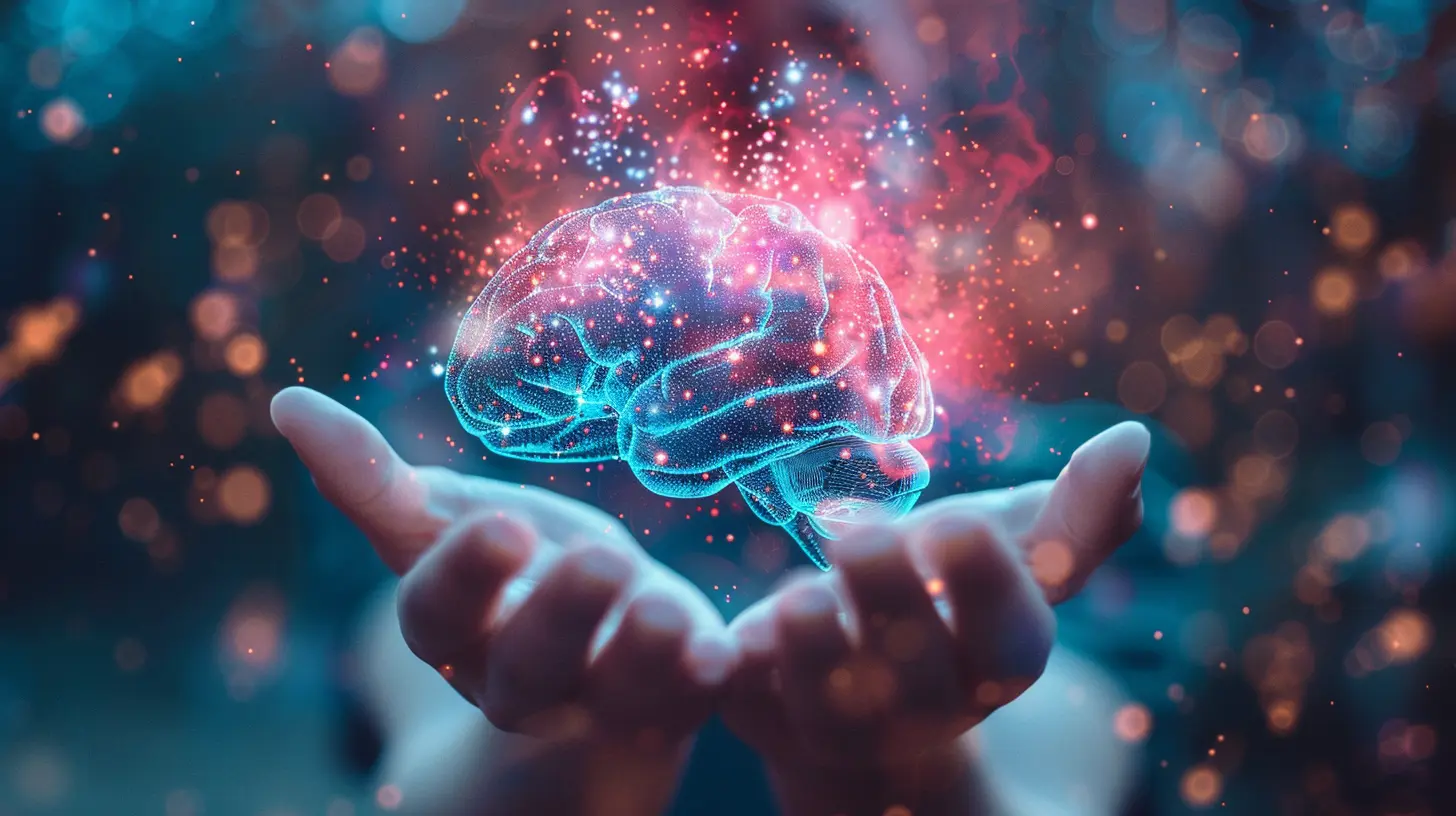
What Is Mindfulness, Anyway?
Mindfulness is all about being fully present in the moment. Not worrying about yesterday’s mess or tomorrow’s chaos. Just focusing on what’s happening now – your breath, your thoughts, your surroundings.Think of it like tuning a radio. Most of the time, our mental station is filled with static – noise from the past or future. Mindfulness is that crystal-clear frequency that brings you back to the present.
And here’s the best part: you don’t need to be a monk or attend a silent retreat to practice it. Mindfulness can be as simple as doing one thing at a time – like eating without scrolling through your phone or walking without a podcast blasting.
The Neuroscience of Mindfulness: What’s Happening in Your Brain?
When you consistently practice mindfulness, your brain actually starts to change. Yeah, physically. This isn’t some abstract idea – it’s backed by real neuroscience.🧠 Growth in the Prefrontal Cortex
This is the part of your brain responsible for decision-making, focusing, and regulating emotions. Studies show that mindfulness strengthens the prefrontal cortex, making it easier for you to respond to life’s curveballs with calm and clarity instead of panic.🧠 Shrinking the Amygdala
The amygdala is your brain’s fear center. When you’re overwhelmed or anxious, the amygdala is firing on all cylinders. Mindfulness can actually reduce the size and reactivity of this region. Translation? You become less reactive and more grounded.🧠 Boosting Brain Connectivity
Consistent mindfulness increases the connections between different parts of your brain. It's like upgrading your mental Wi-Fi. Everything starts communicating better, and you feel more in control.
Mindfulness and the Body: A Deep Dive into the Benefits
Now that we’ve peeked into your brain, let’s talk about the body. Because the mind and body aren't separate – they’re teammates working together. And when your mind is at ease, your body follows suit.💓 Reduced Stress Hormones
Cortisol is the stress hormone that goes haywire when you’re anxious. Studies have found that even just a few weeks of mindfulness practice can significantly lower cortisol levels. Less cortisol means better sleep, improved digestion, and fewer tension headaches.💓 Lower Blood Pressure
Mindfulness helps regulate your heart rate and blood pressure. It signals your body to chill out, activating your parasympathetic nervous system – also known as the “rest and digest” system. It’s the opposite of fight-or-flight.💓 Stronger Immune System
Want fewer sick days? Mindfulness can help boost your immune response. Research suggests that mindfulness can increase activity in immune-supporting brain regions. You're not just calming your mind – you're strengthening your defenses.💓 Pain Management
Here’s something wild: practicing mindfulness can reduce the perception of pain. Chronic pain sufferers have found tremendous relief simply by observing their pain without judgment. It doesn't erase the pain, but it changes how your brain interprets it. That’s huge.
Emotional Resilience: The Underrated Superpower of Mindfulness
Life throws curveballs – that’s a given. But mindfulness gives you the ability to bend without breaking.😊 Improved Mood and Reduced Anxiety
You're not your emotions – you experience them. Mindfulness teaches you how to observe emotions like clouds passing through the sky instead of getting swept away by every mood swing.Many studies show that mindfulness practices like meditation are just as effective as antidepressants for some individuals. It’s a powerful, natural mood booster.
😊 Enhanced Self-Awareness
Mindfulness helps you become more aware of your thoughts. Ever go on autopilot and realize you've been overthinking something for hours? Mindfulness brings you back to the driver’s seat. You start to notice your thought patterns and consciously choose how to respond.😊 Better Relationships
When you’re present, you listen better, respond with more empathy, and stop reacting defensively. That alone can improve your relationships – romantic, platonic, and professional.How to Start Practicing Mindfulness Today (Yes, Today!)
You don’t need an elaborate plan or an hour of free time to get started. You just need a few minutes of intention. Here are some practical ways to incorporate mindfulness into your daily routine:🔹 Mindful Breathing
Take 2-5 minutes each day to sit still and focus on your breath. Inhale, exhale – that’s it. When your mind wanders (and it will), just gently bring it back.🔹 Body Scan Meditation
Lie down, close your eyes, and mentally scan each part of your body from head to toe. Notice any tension, warmth, or sensations. Don’t judge – just observe.🔹 Mindful Eating
Put away your phone and eat slowly. Notice the texture, taste, and smell of your food. You’ll enjoy meals more and likely eat less too.🔹 Walking Meditation
Take a walk without headphones. Focus on each step, the feel of the ground, the breeze on your skin. It’s like a moving meditation.🔹 Mindful Journaling
Spend 5-10 minutes writing down your thoughts without editing or censoring. Just let your mind spill onto paper. It’s like clearing the mental clutter.The Long-Term Effects of Mindfulness (Why It’s Worth Sticking With)
The more you practice mindfulness, the deeper its effects go. At first, you might just feel a little more relaxed. But over time?- You’ll respond instead of react.
- You’ll start noticing beauty in the mundane.
- You’ll stop spiraling over things beyond your control.
- You’ll become more intentional with your time and choices.
And when life throws storms your way, you’ll be the calm in the middle of the chaos. That’s not fluff – that’s transformation.
Mindfulness in Modern Life: Making It Work for You
Let’s be real. Life is BUSY. You might be thinking, “I love the idea of mindfulness, but I barely have time to shower, let alone meditate.”Good news: mindfulness isn’t about adding more to your plate. It’s about changing how you move through what’s already there.
You can be mindful while:
- Brushing your teeth.
- Doing the dishes.
- Commuting to work.
- Waiting in line at the store.
It’s not about doing more. It’s about doing things with more presence.
Common Myths About Mindfulness (Let’s Bust Them!)
Before we wrap up, let’s clear the air on a few common myths that might be holding you back.“I don’t have time to meditate.”
You don’t need an hour. Even 5 minutes a day can make a difference.“Mindfulness is only for spiritual people.”
Nope. It’s for humans – stressed out, overwhelmed, busy humans like you and me.“I’m bad at meditating because I can’t stop thinking.”
That’s the point. Your mind will wander – mindfulness is about noticing that and gently returning to the present. That IS the practice.Final Thoughts: A Simple Practice That Changes Everything
At the end of the day, mindfulness isn’t about perfection. It’s about connection. Reconnecting with yourself, your body, your emotions, and the present moment.It’s not magic – it’s biology. And every deep breath you take, every moment you pause and become aware, you’re rewiring your brain, healing your body, and becoming the best version of yourself.
So start where you are. Take a breath. Be here now.
Your mind – and your body – will thank you for it.
all images in this post were generated using AI tools
Category:
Mind And Body ConnectionAuthor:

Alexandra Butler