The Science Behind Lasting Behavior Change in 2027
16 April 2026
Let’s be honest with each other for a second. How many times have you decided, with fiery conviction, to finally start that new habit? To eat better, to exercise regularly, to meditate each morning, to finally learn that language. You buy the gear, you download the apps, you feel the surge of motivation… and then, a few weeks or months later, it’s like the whole plan never existed. The gym membership gathers digital dust, the salad ingredients wilt in the fridge, and that initial spark feels like a distant memory.
If this sounds familiar, you’re not weak-willed. You’re human. And for decades, the science of behavior change has been trying to figure out why our best intentions so often crumble. But here’s the exciting part: by 2027, our understanding isn't just evolving—it’s undergoing a revolution. We’re moving beyond simplistic "just do it" slogans and generic 21-day challenges. We’re entering an era of hyper-personalized, neuroscience-backed, and technology-augmented change. So, what does the cutting-edge science behind lasting behavior change in 2027 actually look like? Buckle up; it’s more fascinating than you might think.
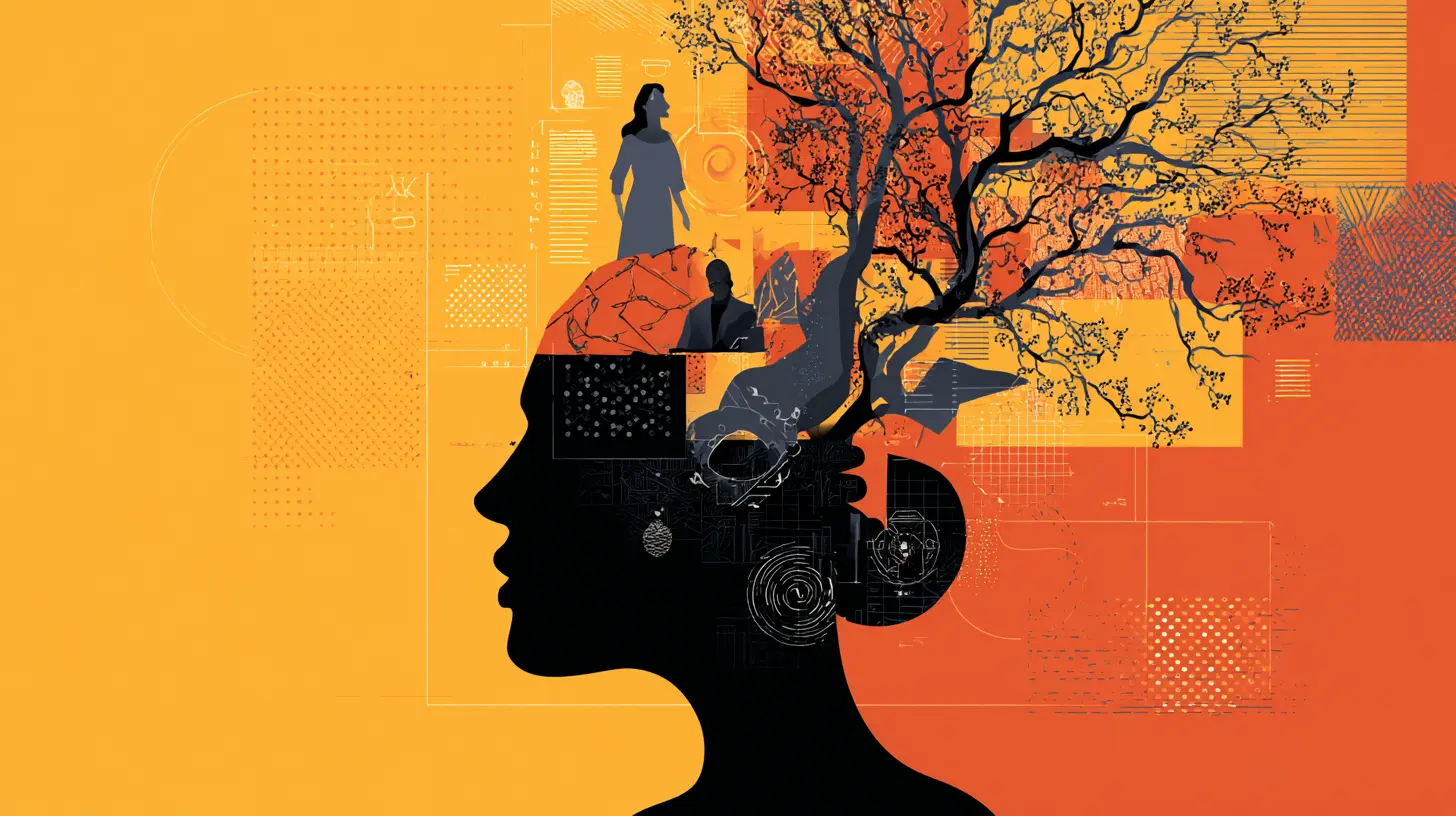
From Willpower to "Brainpower": The Neuroplasticity Revolution
For years, we’ve framed behavior change as a battle of willpower versus temptation. Picture a tiny angel on one shoulder and a devil on the other, right? But what if the real battlefield isn’t your moral fiber, but the very wiring of your brain?The cornerstone of modern behavior change science is neuroplasticity—your brain’s lifelong ability to reorganize itself by forming new neural connections. Think of your current habits as well-worn hiking trails in a forest. They’re easy to default to because the path is clear. Creating a new habit isn’t about mustering Herculean effort to bushwhack through thicket every single day. It’s about, with consistent repetition, carving a new, equally compelling trail. By 2027, the focus has shifted from "fighting your urges" to "consciously gardening your neural landscape."
This is where it gets practical. The science shows that every time you perform a new, desired behavior, you strengthen the neural pathway associated with it. It’s not magic; it’s biology. The key is repetition in context. So, that vague goal of "be more mindful" transforms into a brain-rewiring protocol: "After I pour my morning coffee (context), I will take 60 seconds to feel the warmth of the mug and listen to three breaths (new behavior)." You’re not just trying to be mindful; you’re literally forging a new synaptic road, one gentle brick at a time.
The Death of the One-Size-Fits-All Model: Hyper-Personalized Change
Remember when every diet book claimed to have the answer for everyone? The science of 2027 laughs in the face of that notion. We now understand that behavior change is deeply personal, influenced by a cocktail of your genetics, your psychology, your lifestyle, and even your gut microbiome.Imagine walking into a clinic in 2027. Instead of getting a generic pamphlet on "healthy living," you might undergo a brief assessment that analyzes your chronotype (are you a night owl or an early bird?), your personality-based reward system (do you respond better to immediate small wins or a distant big goal?), and your unique habit loops. The resulting plan wouldn’t just tell you what to do, but how and when to do it in a way that aligns with your innate wiring.
For instance, if the data shows you’re a novelty-seeker, a habit-tracking app might randomize your workouts to keep you engaged. If you’re anxiety-prone, a meditation program might start with micro-sessions of 30 seconds to avoid triggering resistance. The mantra is fit the change to the person, not the person to the change. This personalized approach dramatically increases adherence because it works with your nature, not against it.
The Silent Partner: Technology as a Change Catalyst (Not a Crutch)
In 2027, technology isn’t just a distraction; it’s a sophisticated co-pilot for change. But we’ve moved far beyond basic reminder notifications. We’re talking about ambient, integrated systems. Wearables 3.0: Your smartwatch no longer just counts steps. It learns your physiological signatures of stress and can nudge you with a breathing exercise before* you feel overwhelmed. It detects subtle changes in heart rate variability that predict low motivation and might suggest a five-minute walk to reset.
* AI-Powered Reflection: Imagine a journaling app that doesn’t just store your entries, but analyzes them for emotional tone and cognitive patterns. It might gently point out, "You seem to consistently skip your reading habit on days when you use the word 'overwhelmed' in your morning log. Would you like a simpler alternative for those days?"
* The "Friction" Architect: Advanced apps can now help you design your environment. Planning to reduce screen time? The tech can automatically enable "focus mode" on your devices during your deep work windows, not because you remembered to, but because it knows your schedule. It’s about using technology to strategically reduce friction for good habits and increase it for bad ones.
The tech isn’t the star of the show—you are. It acts as an intelligent scaffold, providing support and data until your new neural pathways are strong enough to stand on their own.

The Emotional Compass: Why Feelings Are the True Drivers
Here’s a paradigm shift: lasting change is not primarily cognitive; it’s emotional. You can know that smoking is bad or that exercise is good until you’re blue in the face. But if a behavior is tied to a deep emotional need—like smoking for stress relief or scrolling for distraction—logic will lose every time.The science of 2027 places immense emphasis on emotional agility. It’s about learning to sit with discomfort, to name your feelings without being ruled by them, and to develop kinder self-talk. The old model said, "Feel stressed? Don’t eat junk food!" The new model asks, "You’re feeling stressed. Can you identify where you feel it in your body? Can you offer yourself compassion for that feeling? What is a truly nurturing action you could take right now that isn’t food?"
This shifts the goal from rigid behavioral control to emotional skill-building. When you learn to process anxiety with a breathing technique instead of a shopping spree, you’re not just avoiding debt; you’re installing a permanent emotional tool. That’s a change that lasts.
The Power of Micro-Moments and Identity Shifts
Forget the monumental, life-overhauling goals. The most robust science in 2027 champions the micro-habit. The goal isn’t to "run a marathon." The goal is to "put on my running shoes every day after work." The action is so small it feels almost laughable, which is precisely why it works. There’s no room for resistance to build up.But the real magic happens beneath the action. Each time you put on those shoes, you’re not just checking a box. You’re quietly voting for a new identity. You’re moving from "someone who should run" to "someone who is the type of person who puts on their running shoes." This identity-based change is profound. When a behavior becomes woven into your sense of self, it’s no longer a chore you have to sustain; it’s an expression of who you are. You don’t "force yourself" to read; you’re "a reader," so picking up a book is what readers do.
The Social Synapse: We Change in Connection
We are not solitary islands of willpower. Our brains are wired for connection, and this is a powerful lever for change that we’re finally learning to pull effectively. In 2027, the most successful change programs have a social component, but it’s more nuanced than just having an "accountability buddy."It’s about shared experience and collective efficacy. This could look like a small, dedicated online group learning a new skill together, where progress is celebrated and setbacks are normalized. It leverages social contagion—the phenomenon where behaviors and emotions spread through networks like ripples in a pond. Surrounding yourself (even digitally) with people who embody the change you want isn’t about pressure; it’s about creating a new normative environment for your brain. Their behavior becomes a subconscious model for your own.
The Compassionate Pivot: Redefining "Failure"
Perhaps the most important scientific insight for 2027 is the demolition of the concept of "failure." A missed day, a relapse, a slip-up—these are not moral failures or signs that you "don’t have what it takes." They are data points.The advanced approach uses self-compassion as a critical recovery tool. Instead of the old, punitive cycle of "I messed up, I'm useless, I quit," the new script is: "I veered off plan. That’s interesting. What triggered that? Was I tired, hungry, stressed? What can I learn from this to set myself up better tomorrow?"
This turns a setback into a strategic insight. It prevents the shame spiral that permanently derails change. In 2027, resilience isn’t about never falling; it’s about the speed and kindness with which you get back up, armed with more information about yourself than you had before.
The 2027 Blueprint: Your Actionable Takeaway
So, what does all this mean for you, right now? The future of behavior change isn't about waiting for a sci-fi pill; it's about applying these principles today.1. Think Tiny, Start Nano: Ditch the grand goal. What is the absolute smallest, first step? Make it so easy you can’t say no.
2. Hack Your Context: Design your environment. Want to read more? Place a book on your pillow every morning. Want to eat less junk? Don’t buy it. Reduce friction for good habits.
3. Feel to Heal: When you crave an old habit, pause. Ask: "What am I really feeling right now?" Practice naming the emotion without judgment.
4. Reframe Your Identity: Stop saying "I’m trying to be healthy." Start saying "I’m someone who values energy and vitality." Let your small actions be votes for this new self.
5. Embrace the Data, Drop the Drama: Slip up? Get curious, not furious. Analyze the trigger, learn, and adjust. It’s all part of the rewiring process.
The science behind lasting behavior change in 2027 is ultimately a science of self-understanding and self-kindness. It’s about trading the exhausting battle for control for a more intelligent process of cultivation. It recognizes that to change what you do, you must gently, patiently, and strategically change the ecosystem of your mind. And that is not just a goal for the future—it’s a possibility you can start building in your very next moment.
all images in this post were generated using AI tools
Category:
Behavior ChangeAuthor:

Alexandra Butler
Discussion
rate this article
1 comments
Zain Bailey
This article astutely addresses the nuances of behavior change, highlighting the interplay of psychology and technology. However, it could further explore the ethical implications of leveraging digital tools for personal transformation.
April 16, 2026 at 2:52 AM
Alexandra Butler
Thank you for your thoughtful feedback. You're right-exploring the ethical implications would enrich the discussion. I appreciate your insight and will consider it for future work.