The Role of Play in Adult Self-Care
22 December 2025
Introduction
When was the last time you truly played? Not working out at the gym, not watching TV, but really playing—laughing, being silly, and losing yourself in the moment?
As adults, we often get so caught up in responsibilities that "play" sounds childish. But guess what? Play is just as essential for adults as it is for kids! In fact, integrating play into your self-care routine can do wonders for your mental and emotional well-being. So, let’s dive into the wonderful world of play and how it can transform your self-care game! 
What is Play, and Why Does It Matter?
Play is anything that brings you joy, sparks creativity, and helps you feel alive. It’s those moments when you lose track of time, when stress melts away, and when you're completely engaged in something just for the fun of it.Too often, we think of play as something frivolous—something we “grow out of.” But research suggests that play improves brain function, boosts creativity, and enhances overall well-being. It's an essential part of a balanced life, just like eating healthy or exercising. 
The Science Behind Play and Well-Being
You might be wondering, "How does play actually improve my well-being?" Well, let’s break it down!1. Reduces Stress and Anxiety
When you play, your body releases endorphins—those magical chemicals that make you feel happy. Engaging in play helps lower stress hormones like cortisol, allowing you to relax and feel lighter.Ever noticed how a simple game night with friends or a playful conversation can instantly lift your mood? That’s the power of play at work!
2. Boosts Creativity and Problem-Solving
Play fuels creativity. When you're engaged in playful activities, your brain makes new connections, helping you think outside the box.Ever wondered why some of the world's greatest innovators, like Albert Einstein, emphasized the importance of imagination and play? It's because playing allows your mind to wander, make unexpected connections, and come up with brilliant ideas.
3. Strengthens Social Bonds
Play brings people together. Whether it’s playing board games, engaging in sports, or simply sharing jokes with friends, playful interactions strengthen relationships.Laughter, shared experiences, and lighthearted fun create strong emotional connections. And let’s face it—life is more enjoyable when you’re surrounded by good vibes!
4. Improves Emotional Resilience
Life can be overwhelming at times. But those who engage in play tend to bounce back from stress more effectively.Think of play as a mental reset button. It helps you shift your perspective, lighten your mood, and approach difficulties with a greater sense of humor and flexibility. 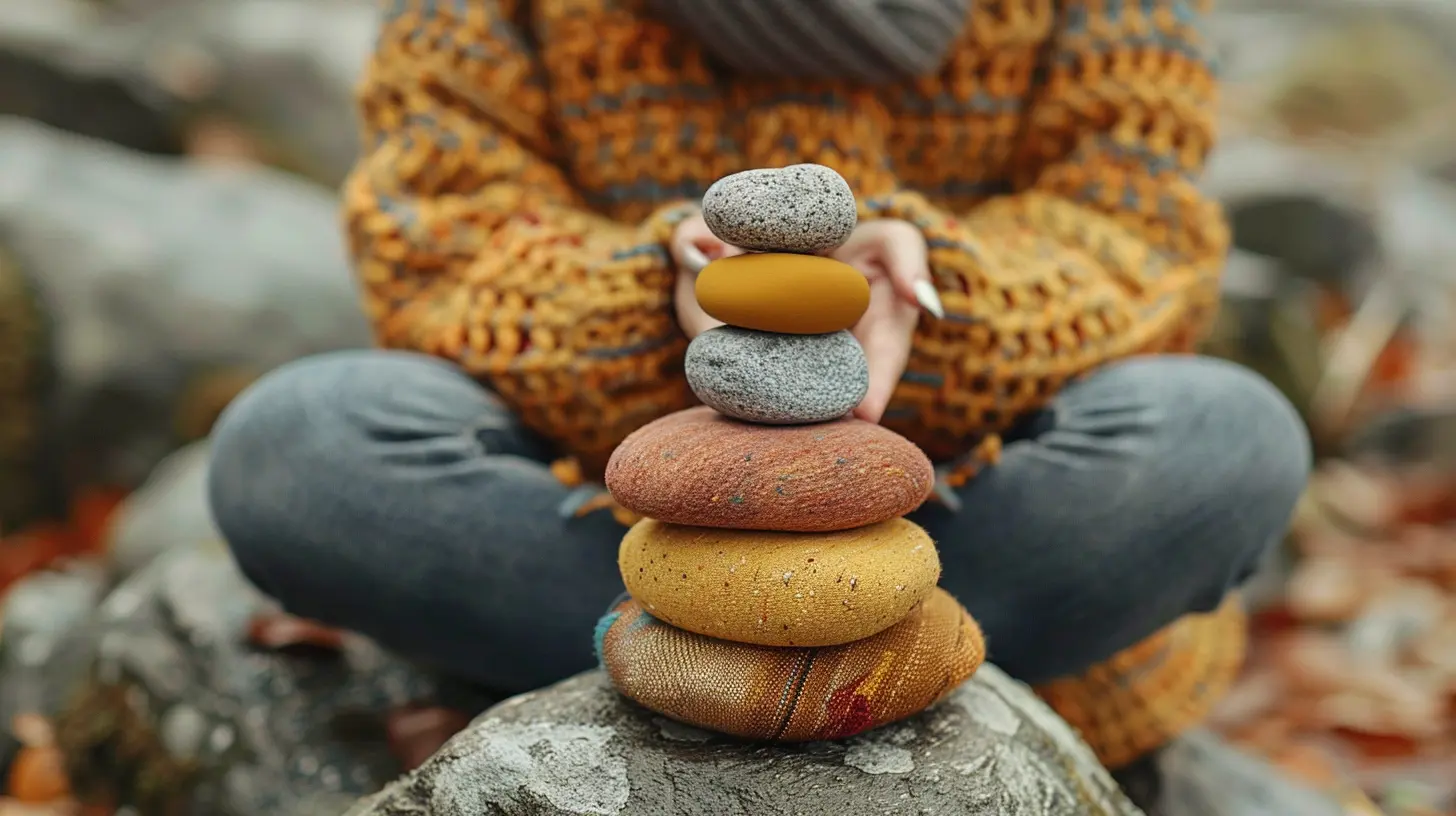
How to Incorporate Play into Your Self-Care Routine
Now that we know how powerful play can be, how do we actually integrate it into our busy adult lives? The good news is—it’s easier than you think!1. Schedule Playtime Like You Schedule Meetings
If you wait for the "right moment" to play, it may never come. Instead, be intentional! Set aside time for fun activities just like you would for work, grocery shopping, or doctor’s appointments.It can be 15 minutes of doodling, 30 minutes of playing an instrument, or an hour of playing a video game—whatever brings you joy!
2. Engage in Playful Activities You Loved as a Kid
Remember the things you loved doing as a child? Maybe it was flying kites, jumping on trampolines, building forts, or painting. Why not try them again?Revisiting childhood play can ignite a sense of nostalgia and joy, transporting you back to carefree days.
3. Join a Social Group or Club
Play doesn’t have to be a solo activity. Consider joining a recreational sports team, a board game club, or a dance class. Not only does it keep you active, but it also connects you with like-minded people.Fun + Social Connection = Double the self-care benefits!
4. Incorporate Play into Everyday Activities
You don’t always need a designated “playtime” to experience joy. Infuse playfulness into your everyday life:- Sing (loudly) in the shower
- Dance while cooking
- Turn mundane chores into a game
- Crack jokes with colleagues
- Playfully tease your friends or partner
The more fun you inject into daily activities, the more vibrant life becomes!
5. Try New and Exciting Hobbies
Sometimes, play is about stepping out of your comfort zone. Trying something new—whether it's rock climbing, pottery, improv comedy, or learning a new instrument—adds an element of excitement to life.New experiences stimulate the brain, keeping us engaged and inspired.
6. Spend Time with Playful People
Ever been around someone whose energy is so contagious that you can’t help but have fun? Surrounding yourself with playful, lighthearted people makes it easier to embrace fun and joy in your own life.Find your fun tribe, and let the good times roll! 
Overcoming the “I Don’t Have Time” Mentality
One of the biggest obstacles to play is the belief that we’re “too busy.” But here’s the thing—play isn’t a waste of time; it’s an investment in your well-being.Think of play like recharging your phone. You wouldn’t let your phone battery hit zero, right? Similarly, play recharges you, making you more productive, focused, and mentally refreshed.
Play and Its Impact on Mental Health
If you struggle with anxiety, depression, or burnout, play might just be the missing piece in your self-care puzzle.Laughter, movement, and creative expression release feel-good chemicals that combat negative emotions. Play can be a form of therapy, helping you reconnect with joy and spontaneity.
Even therapists use play therapy techniques with adults to help relieve stress and process emotions. It’s that powerful!
Conclusion
Play is not just for kids—it’s a fundamental part of adult self-care. It reduces stress, boosts creativity, strengthens relationships, and improves emotional resilience.So, give yourself permission to play! Whether it’s through hobbies, social games, or spontaneous fun, incorporating play into your life can truly transform your well-being.
Because at the end of the day, life isn’t just about responsibilities—it’s about joy, laughter, and embracing the magic of play.
Go on, play a little! Your inner child will thank you.
all images in this post were generated using AI tools
Category:
Self CareAuthor:

Alexandra Butler
Discussion
rate this article
2 comments
Audra Webster
This article raises fascinating questions about the significance of play in adult life! How can we effectively integrate playful activities into our busy schedules? I'm eager to explore the transformative benefits of play for self-care and well-being.
December 29, 2025 at 4:01 PM
Alexandra Butler
Thank you for your insightful comment! Integrating playful activities can be as simple as scheduling short breaks for games or hobbies, or joining a class that excites you. Even small doses of play can significantly enhance your well-being!
Destiny McNeil
Play reawakens our innate curiosity and joy, reminding us that self-care isn’t merely about rest, but about rediscovering our capacity for wonder, connection, and the simple pleasure of being alive.
December 22, 2025 at 4:39 AM
Alexandra Butler
Absolutely! Play is essential for nurturing our curiosity and joy, reinforcing that self-care goes beyond rest to embrace wonder and connection.