The Role of Neuropsychological Testing in Diagnosing Mental Health Disorders
31 May 2026
Introduction
The human mind is a vast and intricate universe, a masterpiece of thoughts, emotions, and consciousness. But what happens when the delicate balance of this universe tilts? When memory falters, focus wavers, or emotions turn into an unpredictable storm? Mental health disorders creep in like unseen shadows, leaving individuals struggling to make sense of their reality.
This is where neuropsychological testing steps in—not as a magic spell, but as a bridge between uncertainty and understanding. It’s the key that unlocks the mysteries of the mind, helping doctors, psychologists, and patients alike navigate the complexities of mental health. But what exactly is neuropsychological testing, and how does it play a role in diagnosing mental disorders? Let's embark on this journey together. 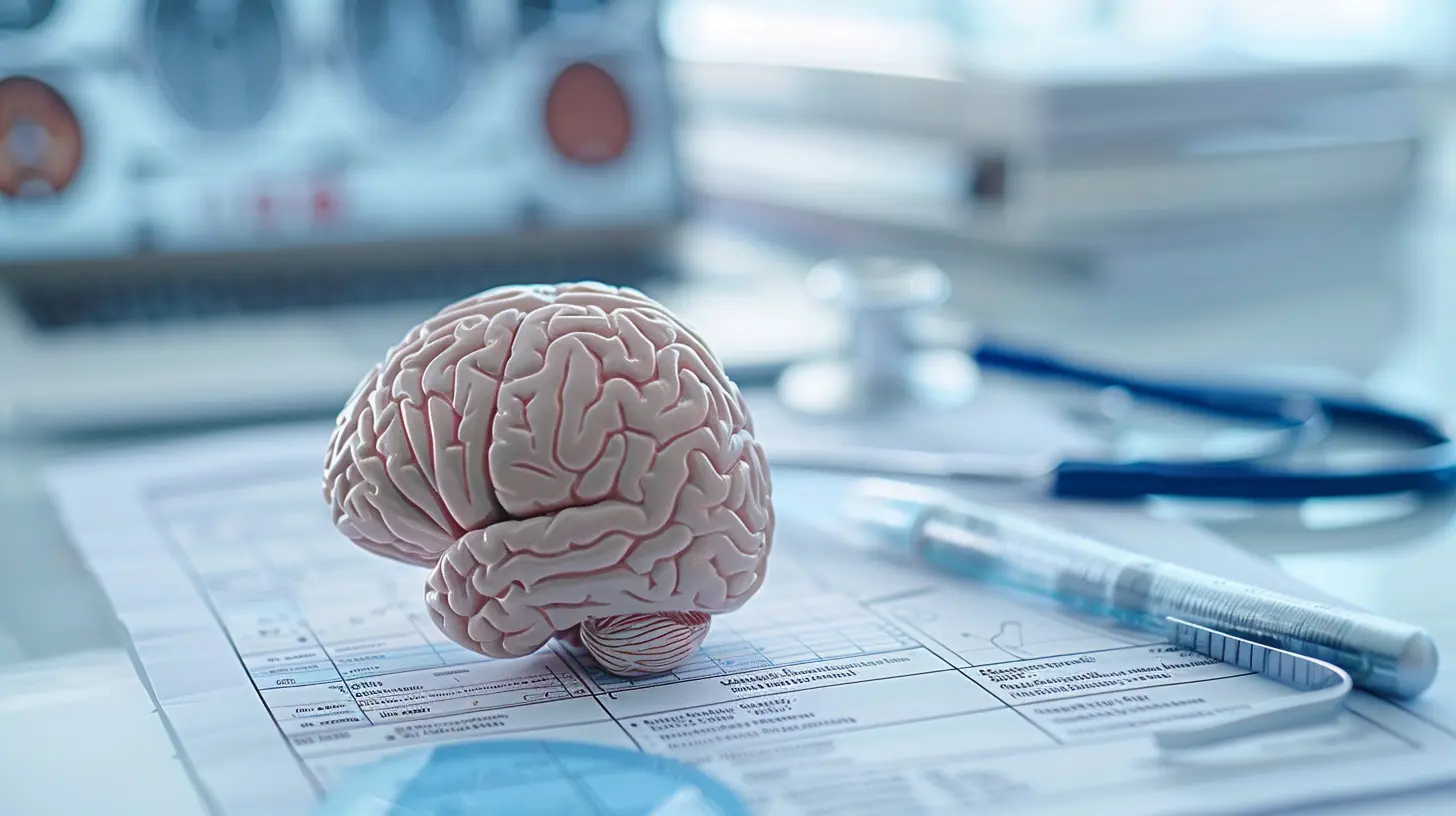
What is Neuropsychological Testing?
Imagine the brain as an intricate orchestra, each section playing its part in harmony. But what if the violins go out of tune, or the percussion loses rhythm? Neuropsychological testing acts as the conductor’s ear, identifying where the music is breaking down.In simple terms, neuropsychological tests assess how well your brain functions. They evaluate cognitive abilities like memory, attention, problem-solving, and language. These tests don’t rely on brain scans or X-rays; instead, they track real-life cognitive performance to uncover hidden neurological imbalances.
From subtle memory lapses to significant cognitive impairments, these tests provide deep insights into how the brain operates and where intervention is needed. 
The Connection Between Neuropsychology and Mental Health
Mental health isn’t just about emotions—it’s deeply rooted in brain function. When the brain's wiring encounters glitches, mental health symptoms often appear. Anxiety, depression, ADHD, schizophrenia, and even traumatic brain injuries all have cognitive footprints that neuropsychological tests can detect.Think of it like road signs on a highway. If there’s a detour ahead due to construction, drivers need signs to navigate correctly. Likewise, neuropsychological assessments act as signposts, guiding mental health professionals toward an accurate diagnosis. 
How Neuropsychological Testing Works
So, how do these tests actually work? It’s not just a sit-down session where a doctor asks you how you’re feeling. Neuropsychological assessments are structured evaluations designed to measure different cognitive functions. Here’s how the process unfolds:1. Clinical Interview
Before diving into tests, psychologists gather background information. They’ll ask about symptoms, medical history, education, and even lifestyle habits. It’s like creating a roadmap before starting the journey.2. Standardized Testing
Patients undergo a series of structured tests assessing various cognitive abilities:- Memory Tests – Can you recall a list of words after a short delay?
- Attention and Concentration Exercises – How well can you focus on a task without getting distracted?
- Language and Verbal Skills Assessment – Can you find the right words effortlessly, or do they slip away?
- Problem-Solving and Logic Tests – Are you able to think critically and make sound decisions?
Each of these assessments provides valuable data about different areas of brain function.
3. Behavioral Observations
Beyond test scores, psychologists observe behavior—body language, frustration tolerance, impulsivity. Sometimes, what’s left unsaid speaks the loudest.4. Comprehensive Analysis
Once testing is complete, all data is analyzed to identify patterns, strengths, and deficits. This step turns raw numbers into meaningful insights.5. Diagnosis and Treatment Recommendations
The final step? Piecing it all together. The results help professionals determine conditions like:- ADHD
- Depression and Anxiety Disorders
- Cognitive Impairment due to Brain Injury
- Schizophrenia
- Learning Disabilities
Once a diagnosis is made, tailored treatment plans can be developed to address specific cognitive challenges. 
Why Neuropsychological Testing is Essential in Mental Health Diagnosis
Diagnosing mental health disorders isn’t always straightforward. Symptoms can overlap, and what seems like anxiety might actually stem from ADHD or traumatic brain injury. This is why neuropsychological testing is crucial.1. Pinpointing the Root Cause
Instead of guessing, these assessments provide objective data to clarify whether cognitive dysfunction plays a role in mental health struggles.2. Separating Overlapping Disorders
Depression and ADHD can both cause trouble focusing. Anxiety and OCD might look similar. Neuropsychological testing helps differentiate between conditions that share symptoms.3. Tracking Progress Over Time
For patients undergoing treatment, follow-up testing assesses whether cognitive functions are improving, staying the same, or declining. This helps fine-tune treatment plans.4. Guiding Personalized Treatment
By understanding cognitive strengths and weaknesses, professionals can recommend customized therapies—like cognitive behavioral therapy (CBT), medication, or lifestyle adjustments—to target problem areas.Who Should Take a Neuropsychological Test?
You might be wondering, "Is this test for me?" Neuropsychological testing isn’t just for extreme cases. It can be useful for:- Children struggling with learning disabilities or attention deficits
- Adults experiencing memory loss or cognitive decline
- Individuals with traumatic brain injuries or concussions
- People dealing with persistent anxiety, depression, or mood disorders
If mental fog, impulsivity, or memory issues are interfering with daily life, these tests can offer valuable clarity.
Misconceptions About Neuropsychological Testing
There are plenty of misconceptions floating around. Let’s clear them up:1. "Only People with Serious Brain Disorders Need It"
Not true! Even mild cognitive issues can benefit from early detection. It’s not just for severe conditions—it’s for anyone looking to understand their cognitive health better.2. "It’s Just an IQ Test"
Nope. While IQ might be a component, these tests go beyond intelligence. They assess memory, attention, reasoning, and emotional regulation.3. "The Results Are Just Opinions"
Wrong again. Neuropsychological tests rely on data-driven, standardized assessments. They provide measurable insights, not just subjective opinions.4. "It’s Too Expensive and Time-Consuming"
While thorough evaluations do take time, the benefits far outweigh the costs. Knowing the root cause of mental health struggles can save years of misdiagnosis and ineffective treatments.The Future of Neuropsychological Testing
The field of neuropsychology is evolving rapidly. With advancements in artificial intelligence, machine learning, and digital cognitive assessments, diagnosing mental health conditions is becoming more precise than ever.Imagine a future where brain function can be measured as easily as taking a blood test. Where neuropsychological data is seamlessly integrated into everyday healthcare. That future isn’t far off.
Until then, traditional neuropsychological testing remains one of the most powerful tools for unlocking the secrets of the mind and paving the way for personalized, effective mental health treatments.
Conclusion
The human brain is a symphony—a masterpiece of cognition, memory, and emotion. But when the rhythm is off, chaos can ensue. Neuropsychological testing provides the missing notes, helping individuals and professionals pinpoint the cause of mental health struggles and craft a roadmap to recovery.Whether you’re facing brain fog, attention difficulties, or emotional imbalances, these tests serve as a guiding light in the darkness of uncertainty. Mental health isn’t just about emotions; it’s about how your brain processes, regulates, and responds to the world. And neuropsychological testing? It’s the key to truly understanding that process.
So, if you ever find yourself lost in the maze of mental health challenges, know that neuropsychological testing could be the compass guiding you home.
all images in this post were generated using AI tools
Category:
Clinical PsychologyAuthor:

Alexandra Butler
Discussion
rate this article
1 comments
Cecilia Jimenez
Neuropsychological testing is like a treasure map for the brain, revealing hidden paths and quirky quirks. It's less about labels and more about understanding the unique puzzle of each mind. Who knew diagnostics could feel like a brainy adventure?
June 15, 2026 at 2:40 AM