The Role of Nature in Boosting Your Happiness Levels
3 August 2026
Ever feel like your mood lifts the moment you step outside? You're not alone. There's something almost magical about nature—it has this uncanny ability to melt your stress away, calm your overthinking brain, and leave you feeling genuinely happier. But why is that? What is it about trees, birds, and fresh air that puts a smile on our faces?
In this article, we're diving deep into the science, psychology, and personal perks behind how nature plays a major role in boosting your happiness levels. So, grab a cup of coffee (or maybe head to a park) and let's get into it.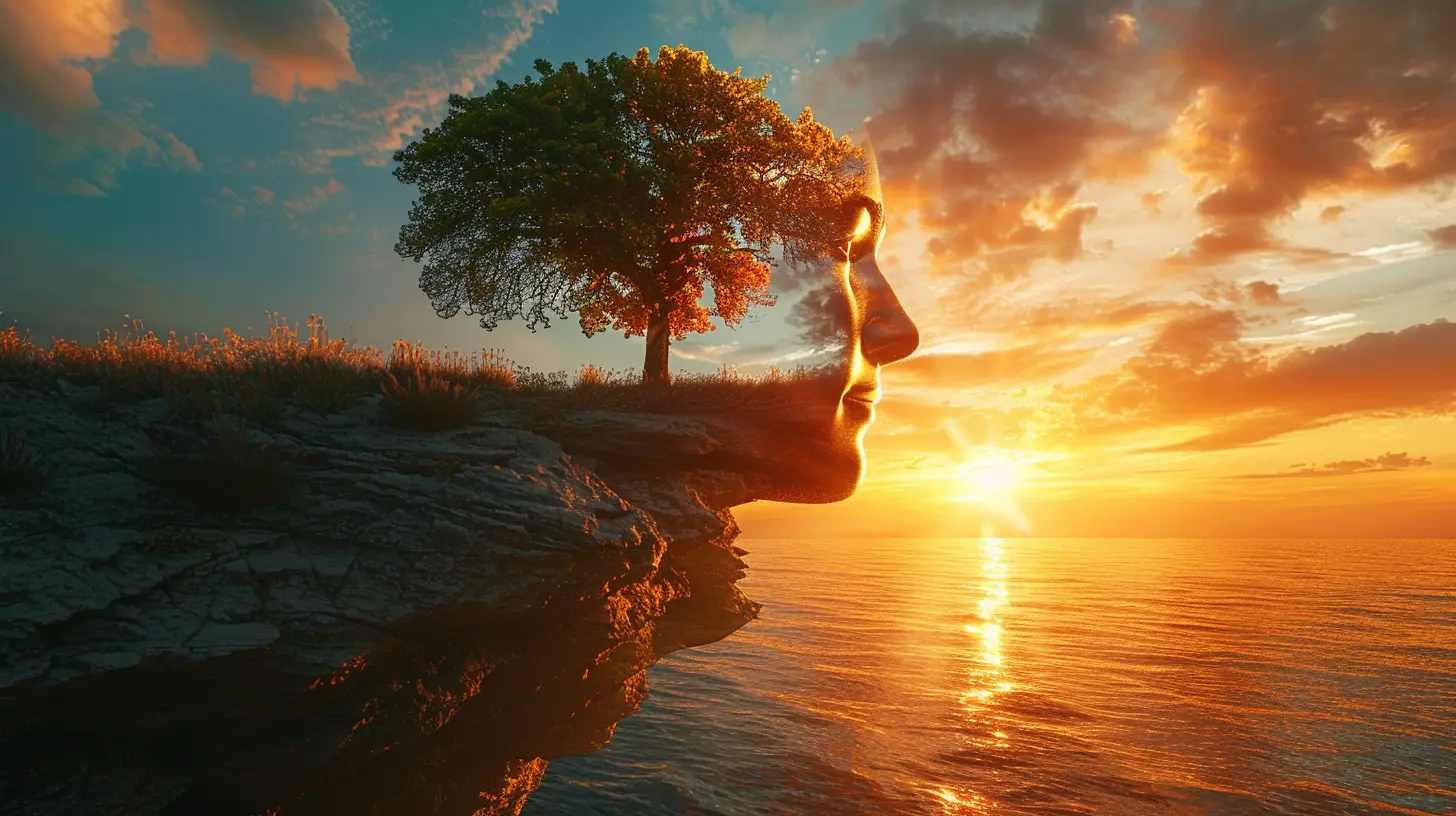
Why Happiness Feels So Elusive Sometimes
Before we talk about how nature boosts happiness, let’s face a hard truth: happiness isn’t always easy to come by. Life throws curveballs, overloads us with information, and pressures us to constantly stay connected. Modern-day living often keeps us glued to screens and stuck indoors.And let’s be real—scrolling through social media or binging Netflix rarely leaves us feeling recharged. If anything, it can leave us more drained. That’s where nature swoops in like a superhero for your mental health.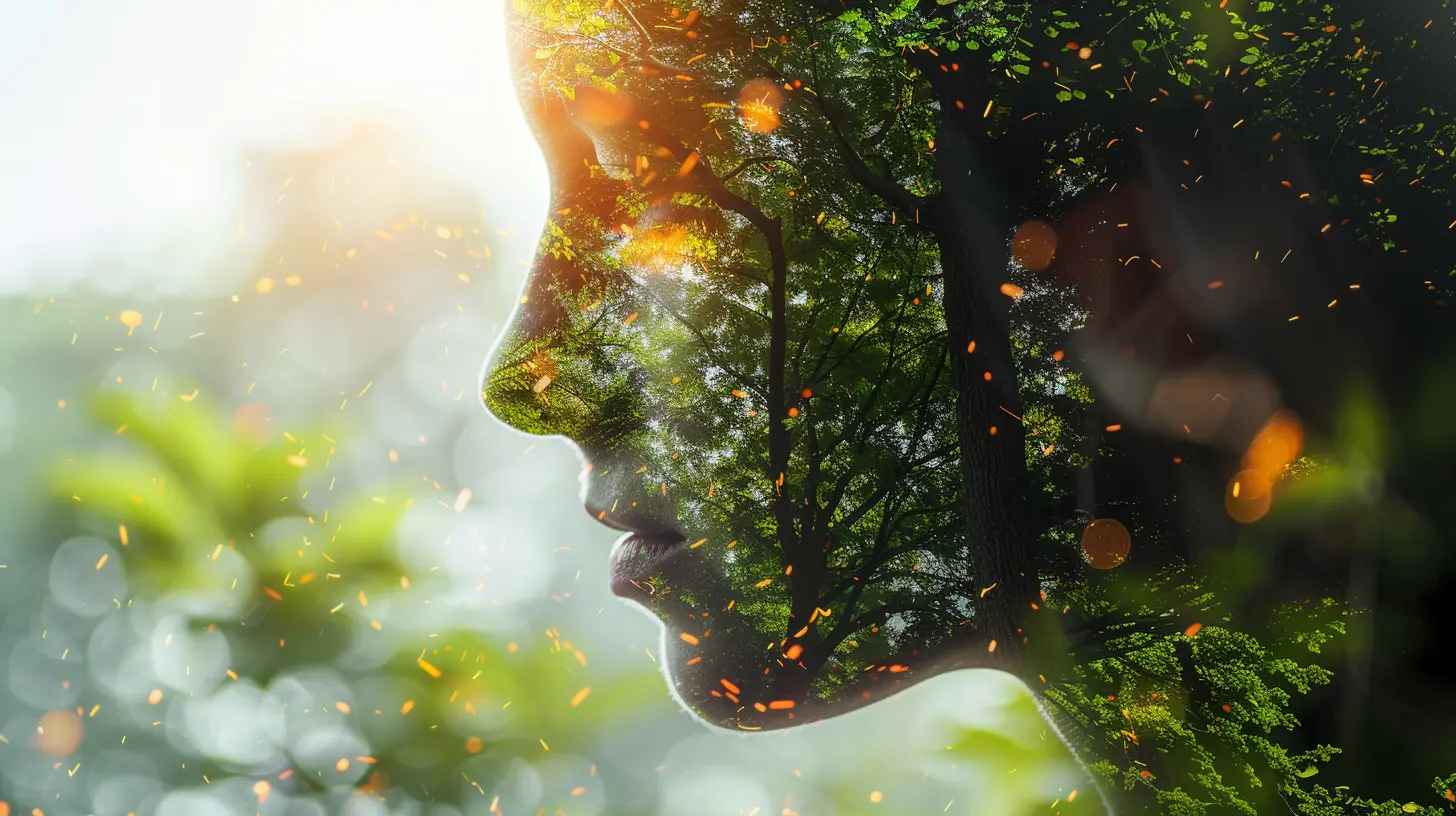
Nature and Happiness: What the Research Says
You're probably wondering, “Is this just some hippie talk, or is there real science behind it?”Well, the research is pretty convincing. Numerous studies have shown a strong link between exposure to natural environments and increased levels of happiness, well-being, and even cognitive function. For example:
- A study published in Nature found that people who spent just two hours a week in green spaces reported better physical and mental health.
- Another study from the University of Michigan revealed that group nature walks are associated with significantly lower levels of depression and stress.
- Research from Stanford University showed that walking in natural settings decreases activity in the part of the brain linked to rumination—a fancy word for constantly overthinking the bad stuff.
The common theme? Nature helps your brain hit the reset button.
The Psychology Behind Nature's Mood-Boosting Powers
So, what’s actually going on in your brain when you’re out in nature?Turns out, several psychological mechanisms are at play:
1. Attention Restoration Theory (ART)
When you're in nature, your brain gets a break from all the focused attention modern life demands. You know, all those emails, texts, deadlines, and quick decisions? They drain your mental energy. Nature offers what psychologists call “soft fascination”—a gentle, effortless engagement that allows your mind to wander and restore itself.2. Stress Recovery Theory
Nature also lowers your cortisol levels (the stress hormone). Just looking at natural scenery—like a gentle stream or a row of trees—can calm your nervous system. Your body physically relaxes, your heart rate slows down, and your mind becomes quieter.3. Biophilia Hypothesis
This one’s super interesting. The biophilia hypothesis suggests that humans have an innate connection with nature because we evolved in it. Basically, it's in our DNA to feel good around plants, animals, and natural environments.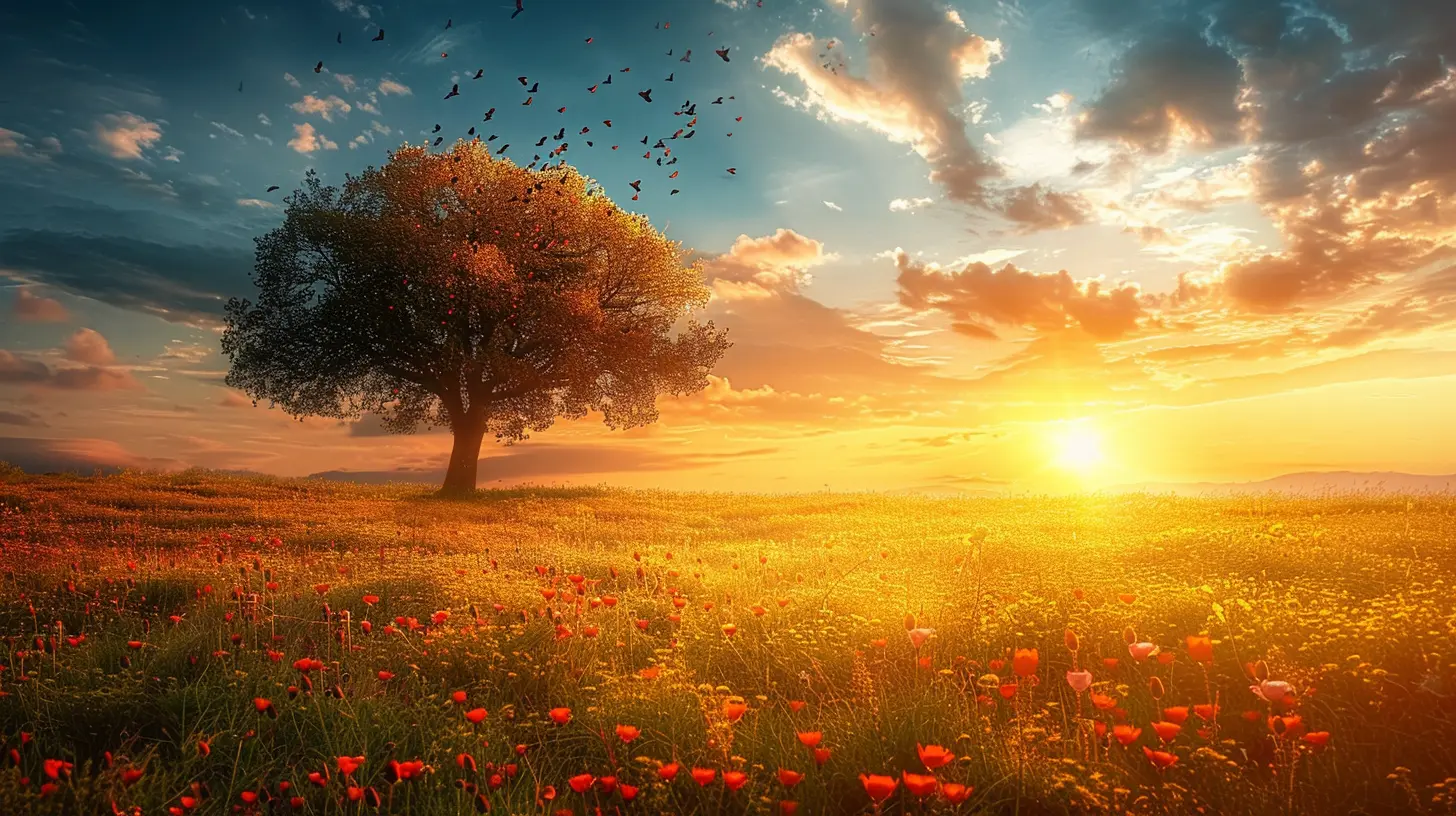
How Nature Boosts Your Happiness Levels: A Closer Look
Let’s dig into the nuts and bolts of how Mother Nature pulls off this emotional magic trick.1. Nature Reduces Stress and Anxiety
Have you ever noticed how your shoulders relax and your breathing slows down when you're near a body of water or surrounded by trees? That’s not a coincidence. Nature activates your parasympathetic nervous system—your body’s "rest and digest" mode. It literally helps your body chill out.Even just listening to nature sounds, like chirping birds or rainfall, can lower stress levels. That’s why so many meditation apps use them!
2. Nature Boosts Your Mood Instantly
Spending time outdoors increases the production of serotonin and dopamine—the "feel-good" brain chemicals. Sunlight boosts your vitamin D levels, which is essential for mood regulation. Ever heard of Seasonal Affective Disorder (SAD)? It’s a type of depression that kicks in during the darker months when we’re not getting enough sunlight. Nature (especially sunny nature) can be a powerful antidote.3. Nature Improves Focus and Creativity
Stuck on a problem? Hit a creative block? Step outside. Spending time in nature can improve your working memory, sharpen your focus, and boost creativity. That's why so many innovative thinkers, from Albert Einstein to Steve Jobs, were known for their long walks outside.4. Nature Encourages Mindfulness
Being in nature naturally promotes mindfulness. It draws your attention to the present moment—the rustling leaves, the chirping birds, the scent of pine trees. It gets you out of your head and into your senses. And the more mindful you are, the happier you tend to be.Easy Ways to Add More Nature to Your Life
Okay, great—nature's awesome. But what if you live in a concrete jungle? Don’t worry. Boosting your happiness through nature doesn’t mean packing up and moving to the mountains. Here are some super practical ways to feel more connected to nature in your everyday life:1. Take Microbreaks Outside
Whether it’s a 10-minute walk around the block or sipping your coffee on the porch, short breaks in natural light and fresh air can work wonders.2. Bring Nature Indoors
Houseplants, anyone? Adding greenery to your home or workspace not only looks great, but it can also reduce stress and improve air quality.3. Use Nature Sounds
Pop in your headphones and listen to a rainforest or ocean waves while you work or wind down. Your brain often responds similarly to real outdoor experiences.4. Practice “Forest Bathing”
This Japanese practice, called “Shinrin-yoku,” involves immersing yourself in a forest environment, walking slowly, and being fully present. No need to break a sweat—just be there and absorb.5. Watch the Sunrise or Sunset
There’s something incredibly humbling and peaceful about watching the sky change colors. It’s a free light show from the universe and a beautiful way to reset your mood.Nature as a Natural Antidepressant
Let’s be real: Not everyone who’s feeling down needs to run to a prescription pad. While medication and therapy are crucial tools for many, nature can act as a powerful complementary treatment. In fact, some therapists even prescribe time outdoors as a part of treatment plans for anxiety and depression.Think of nature as emotional first aid. It won’t fix everything, but it can definitely help you feel better—even if just a little.
The Social Side of Nature
Yup, nature isn’t just good for solo time—it’s also the perfect backdrop for connecting with others. Ever notice how conversations flow more easily during a walk in the park or a hike with friends? That’s because shared experiences in natural settings promote bonding and emotional openness.So if you're feeling low, grab a friend, lace up your sneakers, and head to the nearest trail. It’s like therapy…but with fewer couches and more fresh air.
A Case for Unplugging and Tuning In
Let’s end on a personal note: When was the last time you truly disconnected from your devices and just sat outside without an agenda?It doesn’t have to be some grand adventure. Just sitting under a tree, listening to the wind, or watching the clouds pass by can be a profound experience. You get to tap into a part of yourself that often gets drowned out by noise and distraction.
Nature doesn’t just boost happiness—it helps you remember who you are.
Final Thoughts: Nature Is the OG Therapist
In a world that’s constantly trying to sell us happiness in the form of gadgets, clothes, and self-help books, nature is just…there. Available, free, and healing.So next time you’re feeling off, take a moment to hit pause, step outside, and let nature do what it’s always done best—restore, recharge, and remind you that happiness might be just a breath of fresh air away.
all images in this post were generated using AI tools
Category:
Psychology Of HappinessAuthor:

Alexandra Butler