The Role of Empathy in Conflict Resolution and Mediation
21 August 2026
Conflict. It’s something none of us can entirely avoid. Whether it’s a disagreement with a friend, tension in the workplace, or a full-blown argument with a loved one—conflict is part of being human. So the real question isn’t how to avoid it altogether (because, let’s be real, that’s impossible), but rather how to navigate it when it shows up.
And guess what? One of the most underrated superpowers in resolving conflict is empathy.
Yeah, empathy. That warm fuzzy thing people often confuse with sympathy—but it’s much more than that. In this article, we’re diving deep into how empathy holds the key to successful conflict resolution and mediation. Ready? Let’s get into it.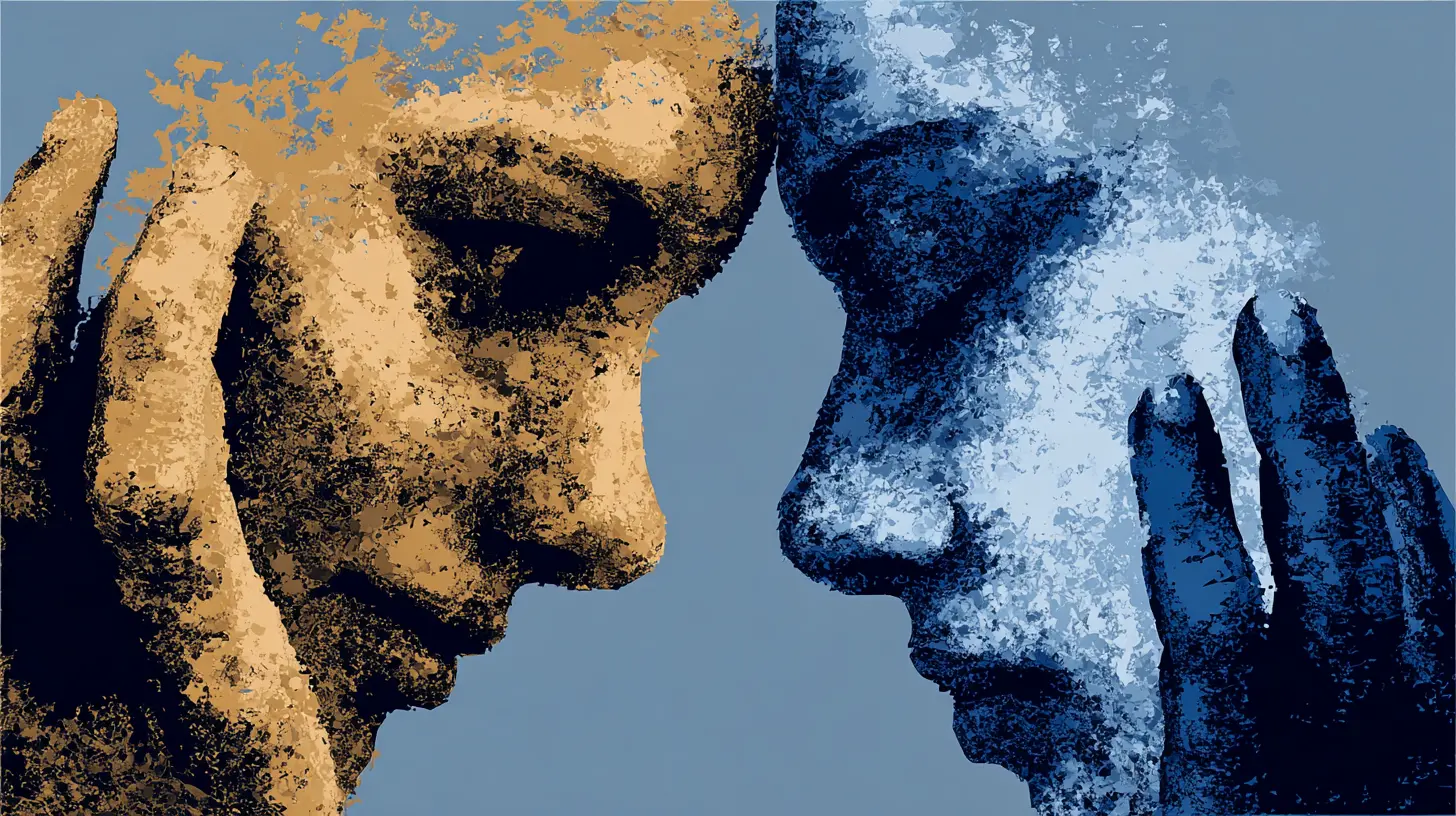
What Is Empathy, Really?
Before we jump into solving the world’s problems, let’s clarify what empathy is.Empathy is the ability to truly understand and share the feelings of another person. It’s not just saying, "I get where you're coming from," but actually feeling it on some level. You step into someone else’s shoes—not just glance at them from across the room.
There are actually three types of empathy:
1. Cognitive empathy – Understanding someone’s thoughts and point of view.
2. Emotional empathy – Feeling what another person feels.
3. Compassionate empathy – Wanting to take action to help someone who’s struggling.
In conflict resolution, all three can come into play. But emotional and compassionate empathy? That’s where the magic happens.
Why Conflict Feels So Hard (And How Empathy Helps)
Let’s face it—our natural response to conflict is usually defense. We want to be heard, understood, and yes...right. But here’s the issue: when everyone wants to be understood but no one’s doing the understanding, things go south—fast.Enter empathy.
Empathy softens the edges. It turns "me vs. you" into "me and you". When we show genuine concern for how the other person is feeling, walls come down. The conversation shifts from accusation to collaboration.
Have you ever been in a heated argument, and the moment the other person really got what you were saying, it changed the vibe completely? That’s empathy at work.
The Science Behind Empathy in Mediation
Now, if you’re thinking this all sounds a little too "soft" to be effective, think again. Neuroscience actually backs this up.Studies show that when people feel heard and validated, their brains switch from “fight or flight” mode into a more open, receptive state. This is crucial in mediation—because when people feel safe, they’re more likely to reach common ground.
Empathy also activates mirror neurons, which are responsible for helping us relate and connect emotionally. Essentially, if someone sees that you’re genuinely trying to understand them, they’re more likely to do the same for you. Kind of like emotional mirroring.
This creates what we call a feedback loop of trust—which is basically the holy grail in conflict resolution.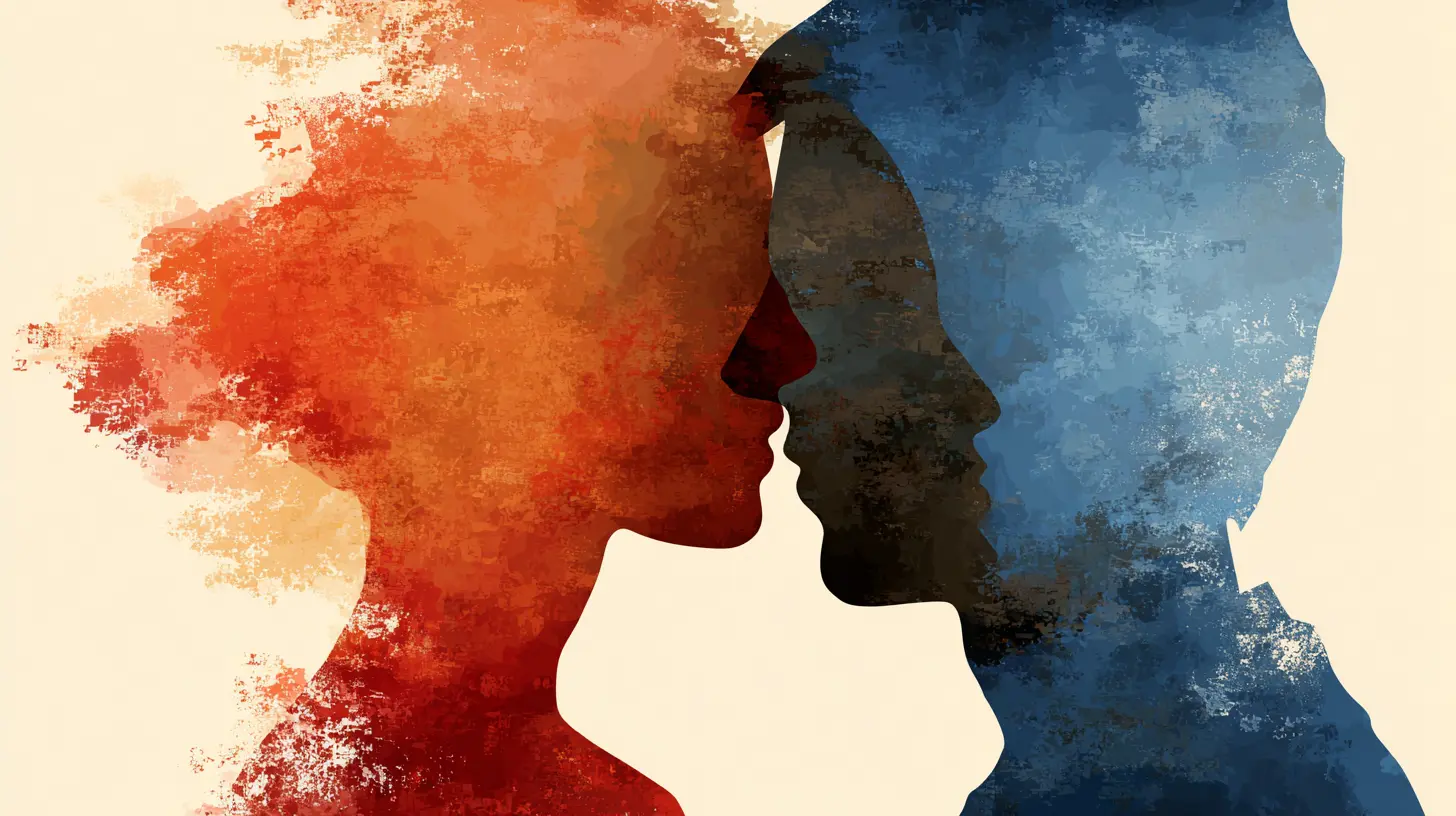
The Role of the Mediator: Guiding With Empathy
In formal mediation settings—like court disputes, workplace issues, or even family therapy—the mediator plays a critical role. And no, it’s not just about keeping people from shouting over each other.A skilled mediator uses empathy as a tool to unlock stuck conversations.
Here’s how:
- Active listening – Not just hearing the words, but catching the tone, the emotion, the unsaid.
- Reflecting and validating feelings – "It sounds like this situation made you feel hurt," can be incredibly powerful.
- Neutral language – Mediators use language that bridges rather than divides.
- Encouraging perspective-taking – Helping each party see the world through the other’s eyes (even just a little).
These strategies help shift the energy from confrontation to understanding.
Real-Life Examples of Empathy in Conflict Resolution
Let’s bring it down to earth. Imagine this:Example 1: Workplace Drama
Two team members are at each other’s throats. One feels overworked, the other feels unappreciated. Instead of escalating it to HR drama, a manager steps in and simply listens to both sides—without judgment. She paraphrases what each person is really saying, acknowledges their frustrations, and highlights their common goals.Result? They start solving the problem together instead of blaming each other.
Example 2: Family Feud
Siblings arguing over aging parents’ care arrangements. Emotions are high, history is deep. A family therapist mediates and focuses on each person’s fears and hopes. When one sibling realizes the other isn’t being “selfish,” but rather “scared,” everything changes.Empathy flips the script.
Practical Empathy Tools You Can Use Today
You don’t have to be a trained mediator to use empathy in your everyday conflicts. Here are some simple techniques that can turn heated debates into meaningful discussions:1. Listen to Understand, Not to Respond
This one’s hard. Most of us are thinking about our reply while the other person is still talking. Try listening without crafting a comeback. Just be present.2. Reflect, Don’t React
Instead of, “That’s not true!” try, “It sounds like that really upset you. Can you tell me more?”Validation doesn’t mean agreement—it means acknowledgment. Big difference.
3. Ask Curious Questions
Instead of making assumptions, ask questions like: “What made you feel that way?” or “Help me understand where you’re coming from.”Curiosity opens doors. Judgment shuts them.
4. Regulate Your Own Emotions
Self-awareness is key. If you're too fired up, take a breather. You can’t be empathetic when you’re emotionally hijacked.Empathy Isn’t Weak—It’s Strategic
Let’s bust a myth right now: empathy isn’t about being a pushover. It doesn’t mean you roll over or give in. In fact, in many high-stakes negotiations (think international diplomacy), empathy is used as a strategic tool to find sustainable solutions.Why? Because real resolution isn’t about "winning." It’s about making sure everyone walks away feeling heard, respected, and ready to move forward.
By using empathy, you're disarming defensiveness and creating space for resolution.
The Ripple Effect of Empathy
Here's something we don’t talk about enough: empathy is contagious.When you show empathy—within your family, your workplace, even during a tense moment with a stranger—you create a ripple. People who feel understood are more likely to pass that understanding on. It's like emotional dominoes.
In the grand scheme, empathy doesn’t just resolve conflicts. It builds stronger relationships, communities, and cultures.
And honestly? We could all use a little more of that.
Final Thoughts: Your Inner Empath Is a Conflict-Resolution Rock Star
Empathy isn’t just a feel-good concept—it’s a practical, powerful, and yes, even transformative skill in resolving conflict and making mediation effective. It turns walls into bridges and arguments into conversations.Whether you're dealing with a co-worker misunderstanding, a partner disagreement, or a full-on life crisis, leading with empathy will always get you further than going into battle mode.
So, the next time you're faced with tension, pause. Breathe. And ask yourself:
_"How can I understand before I try to be understood?"_
Chances are, that one shift will change everything.
all images in this post were generated using AI tools
Category:
EmpathyAuthor:

Alexandra Butler