The Role of Emotional Intelligence in Team Collaboration
23 March 2026
In today’s fast-paced work environments, effective collaboration is key to a team's success. But here's something most people overlook—being a technical genius or having endless expertise alone won't cut it. Nope, there's something else that plays a crucial role in how well teams work together: Emotional Intelligence (EI).
You’ve probably heard the term floating around, but what does it really mean, especially in the context of teamwork? And more importantly, how can it make or break a team's ability to collaborate successfully?
Let’s dive deep into the role of emotional intelligence in team collaboration, breaking it down in a way that’s not just informative, but also easy to understand and apply in real life.

What is Emotional Intelligence?
Before we get into the nitty-gritty of how EI impacts team collaboration, it's essential to define what emotional intelligence actually is. Put simply, emotional intelligence refers to the ability to recognize, understand, and manage not just your own emotions, but also the emotions of others.Dr. Daniel Goleman, one of the pioneers in this field, breaks emotional intelligence down into five main components:
1. Self-Awareness – Understanding your own emotions.
2. Self-Regulation – Managing your emotional responses.
3. Motivation – Using emotions to drive positive outcomes.
4. Empathy – Recognizing and respecting the emotions of others.
5. Social Skills – Building and maintaining healthy relationships.
In the context of a team, these skills become indispensable. A team made up of emotionally intelligent individuals is not just more harmonious but also more productive and creative.
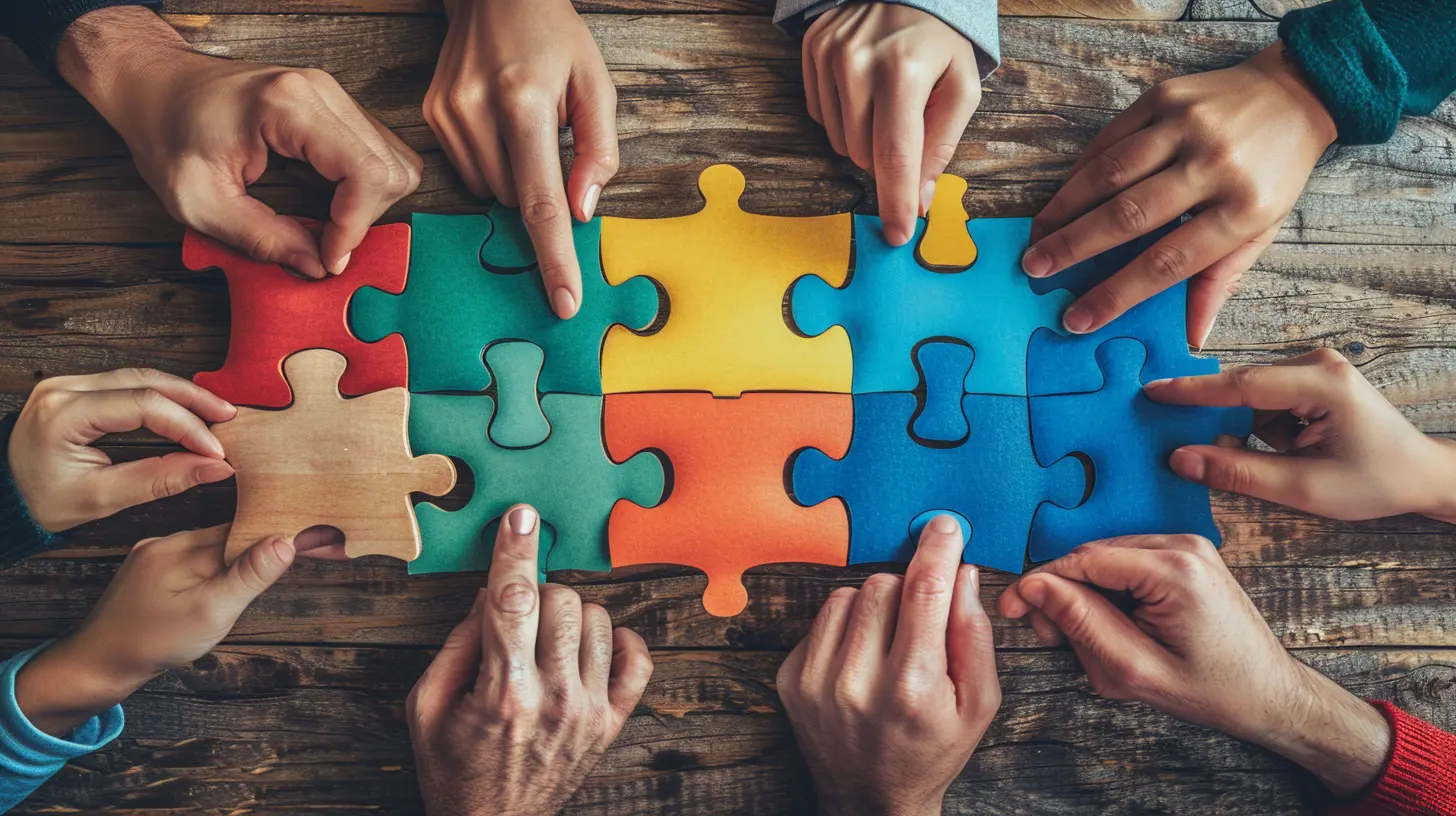
Why Emotional Intelligence Matters in Team Collaboration
At its core, team collaboration is about working together effectively to achieve a common goal. Sounds simple, right? But anyone who’s actually been part of a team knows it’s rarely that straightforward. Miscommunication, conflicting personalities, and differing priorities can all get in the way.Here’s where emotional intelligence comes in. Think of it as the oil that keeps the gears of teamwork turning smoothly. Without it, even the most talented teams can struggle to collaborate effectively.
1. Enhances Communication
Good communication is the backbone of any successful team. But communication is more than just exchanging information. It’s about understanding and being understood. Emotional intelligence helps team members tune into each other’s feelings, making it easier to communicate in ways that are both effective and respectful.For example, if a team member is frustrated or overwhelmed, an emotionally intelligent colleague will pick up on those cues and adjust their tone or approach accordingly. This not only helps resolve conflicts but also builds stronger bonds of trust and mutual respect.
2. Reduces Conflict
Let’s be real—conflict is inevitable in any team. However, how a team handles conflict can make all the difference. Emotional intelligence helps team members manage their emotions during tense situations, leading to more constructive discussions rather than heated arguments.Empathy, one of the key components of EI, allows team members to see things from each other's perspectives. This can be a game-changer when it comes to resolving disputes. Instead of digging in their heels, emotionally intelligent team members are more likely to consider other viewpoints, leading to compromises that benefit the entire group.
3. Builds Trust and Cooperation
Trust is the foundation of any collaborative effort. Without it, team members are less likely to share ideas, ask for help, or give honest feedback. The good news? Emotional intelligence fosters trust.When team members are self-aware and empathetic, they’re better at keeping their emotions in check. This makes them more approachable and reliable, two qualities that naturally build trust. Over time, this trust leads to better cooperation, as team members feel safe expressing their thoughts and relying on one another.
4. Encourages Open-Mindedness and Creativity
Have you ever been in a meeting where someone shoots down every idea that’s suggested? It’s frustrating, right? Emotional intelligence can help prevent this.An emotionally intelligent team is more open to new ideas because they’re not driven by fear or ego. Instead of feeling threatened by suggestions, team members are more likely to embrace them, even if they challenge the status quo. This kind of open-mindedness creates a fertile ground for creativity and innovation.
5. Strengthens Leadership
We can’t talk about emotional intelligence in teams without touching on leadership. Whether a team leader or a team member, emotional intelligence is essential when guiding a group. Leaders with high EI are better at inspiring and motivating their team, as well as navigating complex interpersonal dynamics.They’re also more likely to foster an inclusive environment where everyone feels valued and respected. This can lead to higher levels of engagement, satisfaction, and ultimately better team performance.
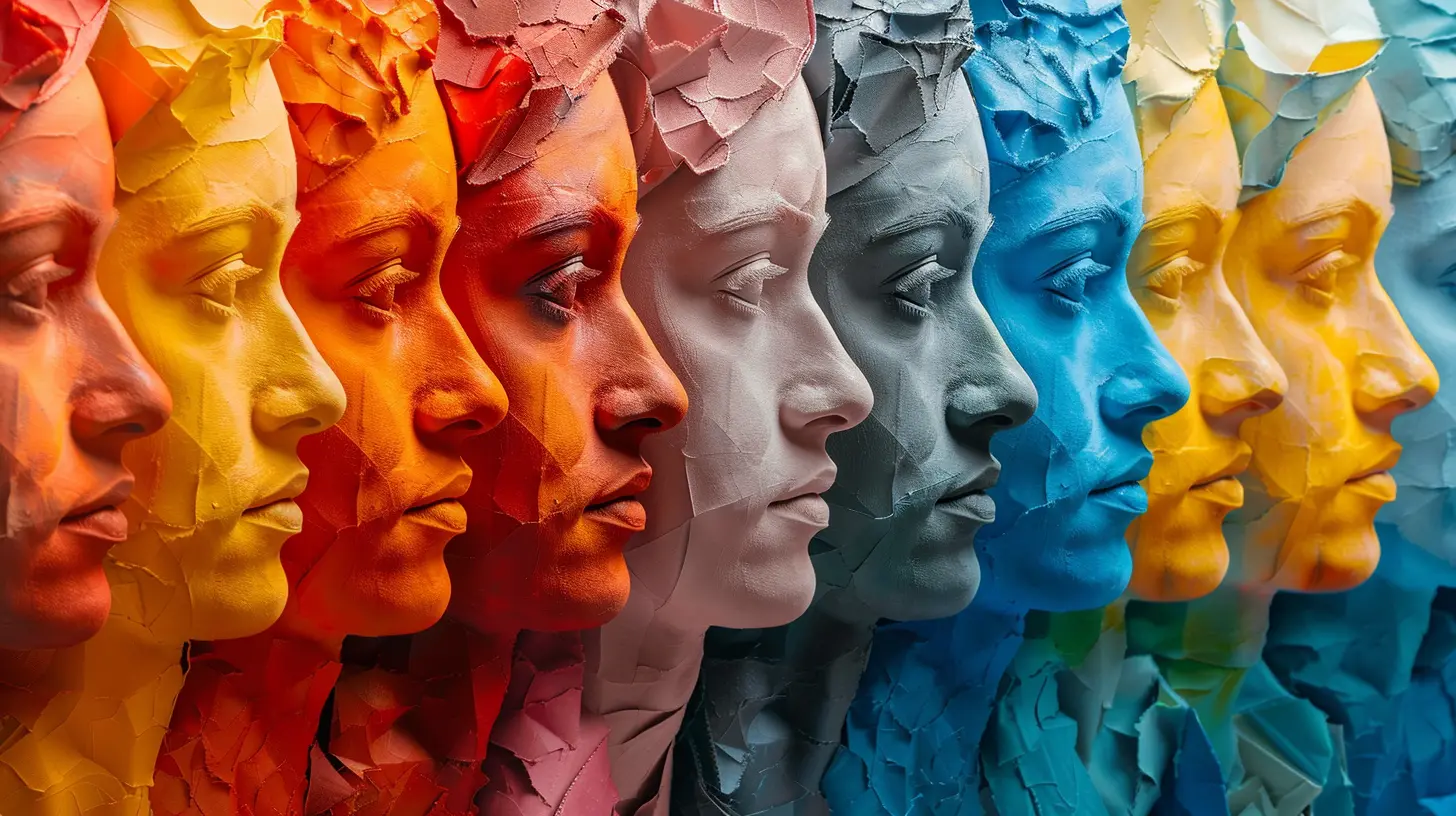
How to Develop Emotional Intelligence in Your Team
Now that we’ve established the importance of emotional intelligence in team collaboration, the next logical question is: How can you foster it within your team? The good news is that emotional intelligence isn’t something you're either born with or not—it can be developed.1. Encourage Self-Awareness
Self-awareness is the cornerstone of emotional intelligence. Encourage team members to take a step back and reflect on their emotions. Simple practices like journaling or mindfulness exercises can help individuals become more in tune with their feelings and how they affect their behavior.2. Promote Empathy
Empathy is one of the most important skills for effective teamwork. One way to promote empathy is to encourage open, honest communication. Create a safe space where team members feel comfortable sharing their thoughts and feelings. The better team members understand each other’s perspectives, the stronger the team will become.3. Lead by Example
Leaders play a crucial role in shaping the emotional climate of a team. If you’re in a leadership position, model emotional intelligence by practicing self-regulation, showing empathy, and communicating clearly and respectfully. Your actions will set the tone for the rest of the team.4. Foster Emotional Accountability
It’s easy to blame others when things go wrong, but emotionally intelligent teams take ownership of their feelings and actions. Encourage team members to hold themselves accountable for how they respond emotionally to different situations. This not only reduces conflict but also promotes personal growth.5. Provide EI Training
Team-building exercises and formal emotional intelligence training can also be incredibly effective. Many organizations are now offering workshops and seminars that focus on improving emotional intelligence in the workplace. These sessions often include role-playing, group discussions, and practical exercises designed to boost EI.
Real-World Examples of Emotional Intelligence in Action
Let’s take a look at some real-world examples of how emotional intelligence can impact team collaboration.Google’s Project Aristotle
Google conducted a study called Project Aristotle to figure out what makes a team successful. Their findings? The most successful teams weren’t the ones with the most technical expertise but rather the ones with high levels of psychological safety—a key component of emotional intelligence. Teams that felt safe sharing their thoughts and emotions performed better, were more innovative, and were more likely to stay together long-term.Pixar’s Collaborative Culture
Pixar, the animation giant, is known for its collaborative culture. What’s their secret? Emotional intelligence. Pixar’s leaders place a strong emphasis on constructive feedback and open communication, encouraging team members to share their ideas without fear of judgment. This emotionally intelligent environment has been the driving force behind some of the most creative and successful animated films in history.The Future of Team Collaboration: Emotional Intelligence as the Key
As the workplace continues to evolve, the importance of emotional intelligence in team collaboration will only grow. With more companies embracing remote work and cross-functional teams, emotional intelligence will become the glue that holds teams together, fostering trust, communication, and creativity across diverse groups of people.In the end, it’s not just about getting the job done—it’s about how you get it done, and emotional intelligence is the key to doing it right.
Conclusion
Emotional intelligence isn't some mystical, unreachable skill. It’s something we can all develop, and its impact on team collaboration is undeniable. From reducing conflict to promoting creativity and building trust, EI is the secret ingredient that turns good teams into great ones. So, the next time you’re working with a group, remember—how you manage your emotions and those of your teammates could be the difference between success and failure.all images in this post were generated using AI tools
Category:
Emotional Intelligence TrainingAuthor:

Alexandra Butler
Discussion
rate this article
2 comments
Cassidy McAllister
Emotional intelligence in teams is like Wi-Fi for relationships—when it’s strong, everything connects smoothly. When it’s weak, well, good luck finding the signal!
March 24, 2026 at 5:03 PM
Lana Love
Great insights! Emotional intelligence is essential for teamwork.
March 23, 2026 at 4:19 PM
Alexandra Butler
Thank you! I completely agree—emotional intelligence is key to fostering effective teamwork and collaboration.