The Psychology of Pain: How the Mind Perceives Physical Discomfort
25 July 2026
We’ve all been there – the stubbed toe, the headache that won't quit, or even the dreaded paper cut. Pain is a universal experience, yet how we perceive it can be wildly different from person to person. But have you ever wondered why? Why does one person seem to shrug off a deep cut while another is left writhing in discomfort from a minor injury? Well, it turns out that pain isn't just about what’s happening in your body. The mind plays a significant role in how we perceive and process physical discomfort.
In this article, we're diving deep into the psychology of pain — how your brain interprets those sharp, dull, or throbbing sensations and why emotions, memories, and even expectations can influence the way you experience pain. Ready to explore the fascinating connection between the mind and body? Let’s get to it!

What Exactly is Pain?
Before we can get into the psychology of it, let’s back up and define what pain really is.Pain, in simple terms, is your body’s warning system. It’s like a fire alarm going off, alerting you that something is wrong. Whether it’s an injury, illness, or damage to tissue, pain is your body’s way of saying, “Hey, pay attention!” And while it might seem like pain is purely a physical sensation, there’s more going on behind the scenes than you might think.
The Two Main Types of Pain
- Acute Pain: This is the kind of pain you feel when you cut your finger on a piece of paper or stub your toe. It’s sharp, intense, and usually short-lived, acting as an immediate warning that something is wrong. Once the injury heals, the pain typically subsides.- Chronic Pain: On the flip side, chronic pain sticks around long after the injury or illness is gone. It can last for months or even years, and often, the cause isn't as clear. This type of pain can be more complex because it involves both the body and the mind.
Now, let’s look at how your brain gets involved in the whole pain process.
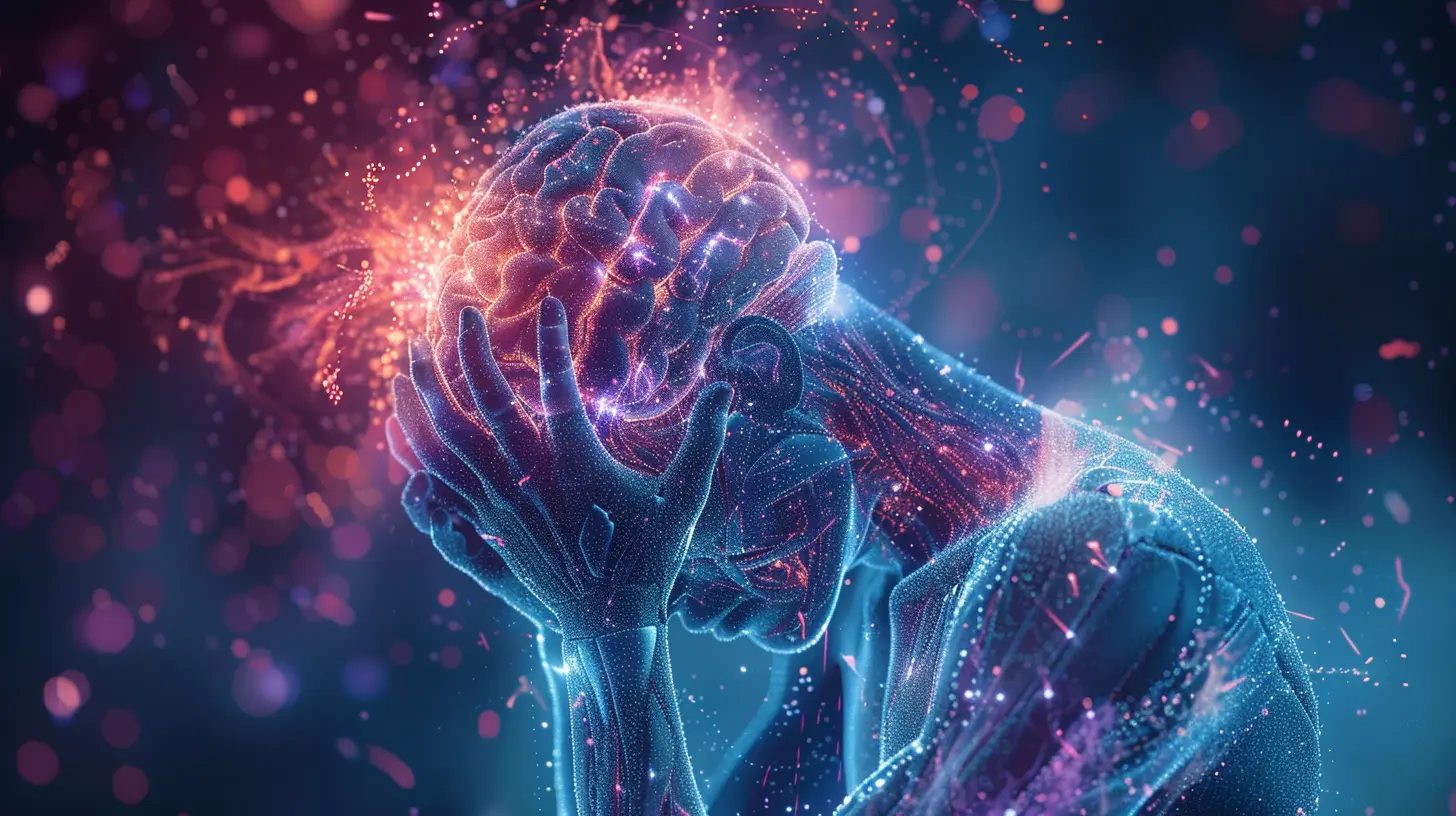
How the Brain Interprets Pain
Your body has a network of nerves that send signals to your brain when something's wrong. These signals are sent up the spinal cord and into different areas of your brain. But here’s the twist: your brain doesn’t just receive these signals passively; it actively interprets them.The Pain Pathway
Think of the pain pathway as a complex highway system with multiple lanes and exits. Here's a step-by-step breakdown:1. Nociceptors (Pain Receptors) Activate: When you experience an injury, nociceptors (specialized nerve endings) detect damage and send electrical signals to your spinal cord.
2. The Spinal Cord Relays the Message: These signals travel up your spinal cord toward your brain, where they start to interact with various brain regions.
3. The Brain Decodes the Message: Once the signals reach the brain, different areas work together to figure out what’s happening. The thalamus, for example, acts as the "switchboard," routing the pain signal to areas of the brain responsible for sensation, emotional response, and memory.
4. Your Brain Decides What to Do: Finally, based on past experiences, your current emotional state, and other factors, your brain decides how to react to the pain. It might ramp up the alarm, making the pain feel worse, or downplay it, making the sensation more bearable.
The Emotional Aspect: Pain Isn’t Just Physical
Here’s where things get interesting. Pain isn’t just about the physical sensation – it’s also deeply emotional. That throbbing sensation after a bad fall doesn’t just exist in a vacuum. Your emotions, mood, and even your past experiences influence how you perceive it.Ever notice how pain feels worse when you're stressed or anxious? That’s because your brain is processing not just the physical sensation but also your emotional state. Stress hormones like cortisol can actually heighten your perception of pain. On the other hand, when you’re relaxed or in a good mood, you might not notice pain as much. Pretty wild, right?

Why Do Some People Feel Pain Differently?
We’ve all met that one person who seems to have a superhuman tolerance for pain. Maybe it’s your friend who barely flinches at the sight of a needle, or your cousin who ran a marathon with a sprained ankle. So, what gives? Why do some people seem to feel less pain than others?Genetics and Pain Sensitivity
For starters, your genes play a big role in how you perceive pain. Some people inherit a higher threshold for pain, while others are more sensitive. This is largely due to differences in the way our bodies produce neurotransmitters like endorphins (your body’s natural painkillers) and how pain signals are processed in the brain.Psychological Factors
Your mental state also has a huge impact on how you experience pain. Anxiety, depression, and even past trauma can all affect how you feel pain. People who are more anxious or stressed tend to report feeling more pain, while those with a more positive outlook might perceive the same injury as less severe.The Power of Expectation
Ever heard of the placebo effect? It’s when you experience relief from pain simply because you believe a treatment will work, even if that treatment is just a sugar pill. This powerful effect showcases how much your expectations can shape your pain experience.The opposite is also true: if you expect something to be painful, it probably will be. This is known as the nocebo effect. If you go into a situation expecting discomfort (like getting a shot or visiting the dentist), your brain is more likely to amplify the pain signals, making the experience worse than it needs to be.
The Brain’s Ability to Modulate Pain
Now here’s where things get really fascinating: your brain has the power to modulate pain. In some cases, it can crank up the volume, making that stubbed toe feel like the end of the world. In other instances, it can turn the volume down, helping you power through a tough workout or an injury without even noticing the pain until later.The Gate Control Theory of Pain
One popular explanation for how the brain modulates pain is the gate control theory. According to this theory, there’s a “gate” in your spinal cord that either blocks or allows pain signals to pass through to the brain. This gate can be influenced by a variety of factors, including:- Physical stimulation (like rubbing the injured area)
- Emotional state (stress can open the gate, while relaxation can close it)
- Cognitive factors (distraction can close the gate, making pain less noticeable)
So next time you put an ice pack on a sore muscle or distract yourself with your favorite TV show after a tough day, you’re actually helping to “close the gate” and reduce your pain perception.
Psychological Therapies for Pain Management
Given the complex relationship between the mind and body when it comes to pain, it’s no surprise that psychological therapies can be highly effective in managing pain. Here are a few approaches that have been shown to help people cope with both acute and chronic pain:1. Cognitive Behavioral Therapy (CBT)
CBT is one of the most widely used therapies for managing chronic pain. It helps patients recognize and change negative thought patterns and behaviors that can worsen pain. By reframing how you think about pain, CBT can help reduce the emotional and psychological burden of discomfort.2. Mindfulness and Meditation
Practicing mindfulness can help you stay grounded in the present moment, which may reduce the emotional intensity of pain. Meditation has been shown to decrease pain perception by calming the nervous system and promoting relaxation.3. Biofeedback
Biofeedback involves using technology to become more aware of your body’s physiological responses (like heart rate and muscle tension). Once you’re able to monitor these responses, you can learn to control them, which can help modulate your pain experience.4. Hypnosis
Though it may sound a bit woo-woo, hypnosis has actually been shown to be effective in reducing pain for some people. It works by helping your brain focus on something other than the pain, allowing you to enter a more relaxed, pain-free state.
The Role of Social Support in Pain Perception
We can’t talk about the psychology of pain without mentioning the role of social support. Studies have shown that people who have strong social connections tend to report lower pain levels and recover more quickly from injuries. Having someone to talk to, lean on, or even just share a laugh with can make the pain feel less overwhelming.Ever wonder why a hug or a comforting word from a loved one seems to make things feel better? That’s your brain releasing feel-good chemicals like oxytocin, which can dampen pain signals and improve your mood.
Final Thoughts: Mind Over Matter?
When it comes to pain, it turns out that it’s not just about the injury or illness itself – it’s also about how your brain interprets it. The mind and body are in constant communication, and understanding this relationship can help us better manage pain and discomfort. Whether it’s through psychological therapies, harnessing the power of expectation, or simply leaning on loved ones, there are many ways to influence how we experience pain.So next time you’re dealing with a painful situation, remember that your brain is a powerful player in how you perceive discomfort. And while you might not be able to escape pain entirely, you can certainly learn to manage it in new and surprising ways.
all images in this post were generated using AI tools
Category:
Mind And Body ConnectionAuthor:

Alexandra Butler