The Psychology of Happiness in Romantic Relationships
16 July 2026
Let’s be honest—when it comes to happiness, romantic relationships hold a pretty hefty seat at the table. They can lift us to cloud nine or drag us through emotional thunderstorms. But what really makes a relationship joyful? Is it chemistry? Communication? Candle-lit dinners every Friday night? Turns out, the psychology behind happiness in relationships is deeper (and way more fascinating) than most of us think.
In this article, we’re going to pull back the curtains on love and take a look at the inner workings of happiness in romantic relationships. Get ready for a mix of science, soul, and straight shooting about what really keeps couples smiling.
Why Do Romantic Relationships Affect Our Happiness So Much?
Think of your brain like a social sponge—it soaks up emotional energy from the people closest to you. And who’s closest to you in a romantic relationship? Your partner, of course.Psychologically speaking, humans are hardwired for connection. We're tribal by nature. From an evolutionary standpoint, bonding with a partner increased our odds of survival (and reproduction). So when we feel close, supported, and emotionally safe with someone, our brains reward us with a cocktail of feel-good chemicals like oxytocin, dopamine, and serotonin.
But here's the kicker—it goes both ways. Unhealthy relationships can trigger stress, anxiety, and even depression. The emotional rollercoaster isn’t just in your head, it’s in your neurons.
The Science of Love: Hormones and Brain Chemistry
Let’s talk brain chemicals. You know that heart-racing, butterflies-in-the-stomach feeling when you're falling for someone? That's dopamine and norepinephrine kicking things off. You're literally high on love.Fast forward to long-term relationships, and oxytocin—the “bonding hormone”—takes the wheel. It’s released during physical touch, emotional connection, and even shared laughter. Think of it as emotional Velcro that keeps couples sticking together.
But here’s the thing: these happy chemicals don’t flow automatically forever. We have to nurture them. They respond to meaningful interactions, mutual respect, and yes, even good old-fashioned kindness.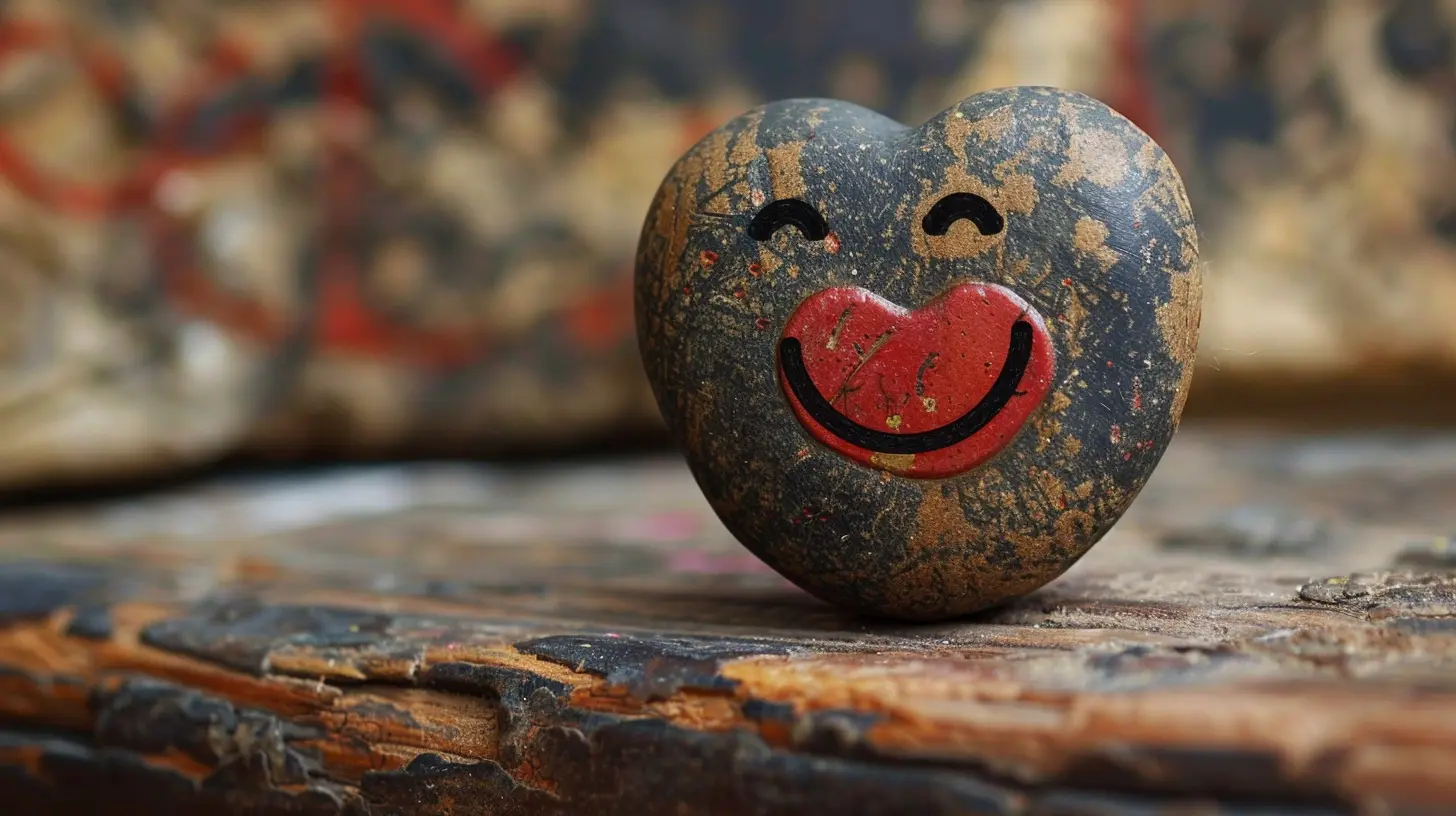
What Actually Makes Couples Happy?
Alright, let’s get down to the good stuff. What separates the happy couples from the not-so-happy ones? While every relationship is unique, there are some consistent psychological ingredients for romantic happiness:1. Emotional Availability
Being emotionally available means you're not just physically present, but mentally and emotionally there. You listen, you validate, and you don't shut down during hard conversations.Sounds simple? It’s not. Many people struggle with emotional vulnerability, and that can block true intimacy.
2. Mutual Respect
It’s not just about not yelling during arguments. Respect shows up in the little day-to-day decisions—like valuing your partner’s opinion, supporting their goals, and not rolling your eyes every time they share a story (even if you’ve heard it a million times).3. Communication that Doesn’t Suck
Here’s a wild idea: healthy communication isn’t just about talking—it’s about understanding.Happy couples don’t avoid conflict; they navigate it. They ask questions like, “What do you need from me right now?” instead of pointing fingers and assigning blame. They fight the problem, not each other.
4. Shared Values and Goals
You don’t have to share every hobby (nobody needs two people obsessed with fantasy football), but alignment on life goals, family, and values goes a long way. It’s like rowing in the same direction—you’ll get much farther, much faster.5. Physical Intimacy
Let’s not tiptoe around this—sex and physical touch matter. Not just for passion, but for connection. Holding hands, kissing, snuggling—all these non-verbal cues strengthen emotional bonds and release those sweet, sweet love chemicals.But remember: it’s quality over quantity. Physical intimacy needs to be meaningful and mutually satisfying.
The Happiness Killers: What Breaks Down Relationship Joy?
We all know relationships can’t live on butterflies and birthday cards alone. Let’s talk about the stuff that erodes happiness over time. Warning: this part might sting a little.1. Unrealistic Expectations
No, your partner isn’t a mind-reader. And yes, they will mess up sometimes. Expecting perfection—or expecting them to “fix” your unhappiness—is a fast track to disappointment.2. Poor Conflict Resolution
Fighting is normal. But fighting dirty? That’s relationship poison. Throwing past mistakes into every argument, name-calling, stonewalling—these are toxic habits that kill intimacy and trust.3. Emotional Drift
Sometimes couples don’t even fight—they just… drift. Life gets busy, and they stop checking in, stop having real conversations, and stop making time for each other. This slow fade can be just as damaging as any explosive fight.4. Neglecting Self-Care
If you’re not happy with yourself, you’ll have a hard time being happy in a relationship. Relationship happiness starts with individual well-being. Think of it like being on an airplane—you’ve got to put your own oxygen mask on first before helping someone else.The Role of Gratitude and Mindfulness
Want a crazy-easy way to instantly boost relationship happiness?Say thank you.
Regularly.
Research shows that expressing gratitude strengthens romantic bonds. It makes your partner feel seen and appreciated, and it reminds you to focus on what’s going right.
Same goes for mindfulness. Being fully present—even for 10 minutes a day—helps couples reconnect in a world full of distractions. Whether it’s a shared meal without phones, a mindful walk, or just taking a moment to look into each other’s eyes and actually see each other, presence is powerful.
The Myth of Constant Happiness
Let’s bust a bubble real quick: no relationship is happy 24/7.Seriously, even the strongest couples go through ups and downs. Arguments, stress, bad days—they're all part of the emotional terrain. Happiness isn’t about always feeling giddy. It’s about feeling safe, supported, and understood—even when things aren’t perfect.
Think of happiness like a thermostat, not a light switch. It’s about overall emotional temperature, not sudden bursts of joy.
Attachment Styles and Romantic Satisfaction
Ever heard of attachment theory? It’s a psychological model that explains how your childhood experiences with caregivers shape your romantic relationships in adulthood.Here’s a quick breakdown:
- Secure Attachment: Comfortable with intimacy and independence. These folks make great partners.
- Anxious Attachment: Crave closeness but fear abandonment. They seek constant reassurance.
- Avoidant Attachment: Value independence over intimacy. They tend to pull away when things get emotionally intense.
- Fearful-Avoidant: A mix of both anxious and avoidant—want love but fear getting hurt.
Understanding your style (and your partner’s) can be relationship gold. It helps you navigate conflict and connection with way more emotional intelligence.
The Power of Rituals and Shared Experiences
Wanna stay emotionally close? Create rituals.Whether it’s a Sunday morning coffee date, a shared playlist, or inside jokes only you two understand, rituals create a sense of “us.” They help couples feel like a team, especially during stressful times.
Shared experiences—like traveling, trying a new hobby, or even cooking together—also build positive memories, which strengthen relationship satisfaction over time.
When Should You Seek Help?
If happiness feels out of reach, remember—there’s zero shame in getting help. Couples therapy isn’t just for “fixing” problems. It’s like a relationship tune-up that helps you communicate better, understand each other more deeply, and build a stronger emotional foundation.Sometimes we all need a third party to help us see what we’re missing.
Final Thoughts: Love with Intention
Happiness in romantic relationships isn’t something you stumble into—it’s something you build. Like a home, it takes effort, attention, and care. There will be repairs and renovations along the way. But with the right tools—emotional awareness, communication, presence, and a whole lot of empathy—you can create a love that doesn’t just survive, but thrives.So the next time you look at your partner, remember: you’re not just sharing a bed or a bank account. You’re building a shared emotional ecosystem. Nurture it. Respect it. And above all, be honest about what happiness means to both of you.
Because when both people feel seen, safe, and supported, that’s when the real magic happens.
all images in this post were generated using AI tools
Category:
Psychology Of HappinessAuthor:

Alexandra Butler