The Neurobiology of Addiction: A Clinical Approach
14 August 2026
Addiction. A word that carries a heavy weight. It ruins lives, fractures families, and reshapes personalities. But have you ever stopped to wonder what’s actually happening inside the brain of an addict? Why do some people get hooked while others can casually enjoy something without spiraling into dependency?
Well, buckle up, because we’re about to dive deep into the science behind addiction—the neurobiology of it all. And trust me, this isn’t just some dry academic breakdown. This is a raw, unfiltered look at what addiction really does to the brain and why it’s so damn hard to break free.
What is Addiction, Really?
Most people think addiction is all about willpower—that if addicts just tried harder, they could stop. But that’s far from the truth. Addiction is a brain disorder, not a character flaw. It hijacks the brain’s reward system, rewires neural pathways, and traps individuals in a vicious cycle of craving and relapse.At its core, addiction is about survival. The brain is wired to seek out pleasure and avoid pain. Unfortunately, substances like drugs and alcohol (or even behaviors like gambling and overeating) exploit this system, tricking the brain into craving more—regardless of the catastrophic consequences.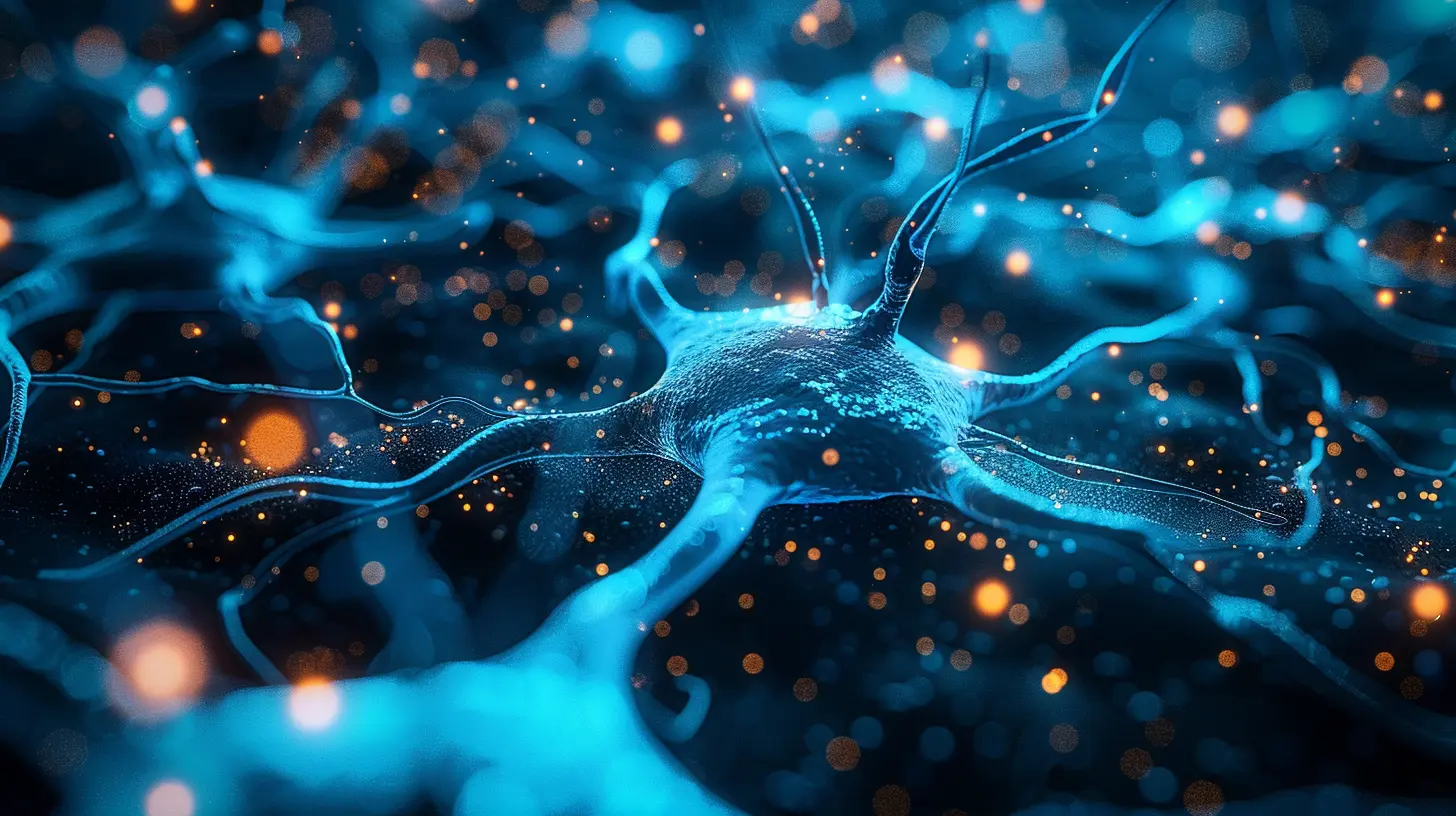
The Brain’s Reward System: Addiction’s Playground
To understand addiction, you need to understand the brain’s reward system—specifically, the mesolimbic dopamine system. This network of neurons is responsible for pleasure, motivation, and reinforcement of behaviors. When we do something enjoyable—like eating our favorite food or winning a game—our brain releases dopamine, making us feel good.But here’s where addiction comes in:
- Drugs and addictive behaviors flood the brain with dopamine, far more than what naturally pleasurable activities produce.
- Over time, the brain adapts by reducing dopamine receptors, making it harder to feel pleasure from everyday activities.
- This forces the addict to chase bigger highs just to feel “normal,” leading to tolerance and dependence.
It's like turning up the volume on your favorite song so high that, eventually, you can’t hear it at normal levels anymore. Your brain has been rewired.
The Role of Dopamine in Addiction
Now, let’s talk dopamine—often called the "feel-good" neurotransmitter. In reality, dopamine isn’t about pleasure itself; it’s about motivation and learning. It pushes us toward things we associate with reward.How Dopamine Fuels Addiction
1. Initial Use & Euphoria – A substance or behavior releases a dopamine tsunami, producing intense pleasure.2. Brain Adjustment – The brain reduces dopamine sensitivity to compensate for the overload.
3. Tolerance Develops – The user needs more of the substance to feel the same pleasure.
4. Dependence & Cravings – The brain associates pleasure with the substance, leading to compulsive seeking.
5. Withdrawal & Negative Reinforcement – Without the substance, the brain experiences low dopamine levels, triggering anxiety, depression, and cravings.
This is why quitting isn’t just about saying “I’m done.” The brain has literally reprogrammed itself to need the substance.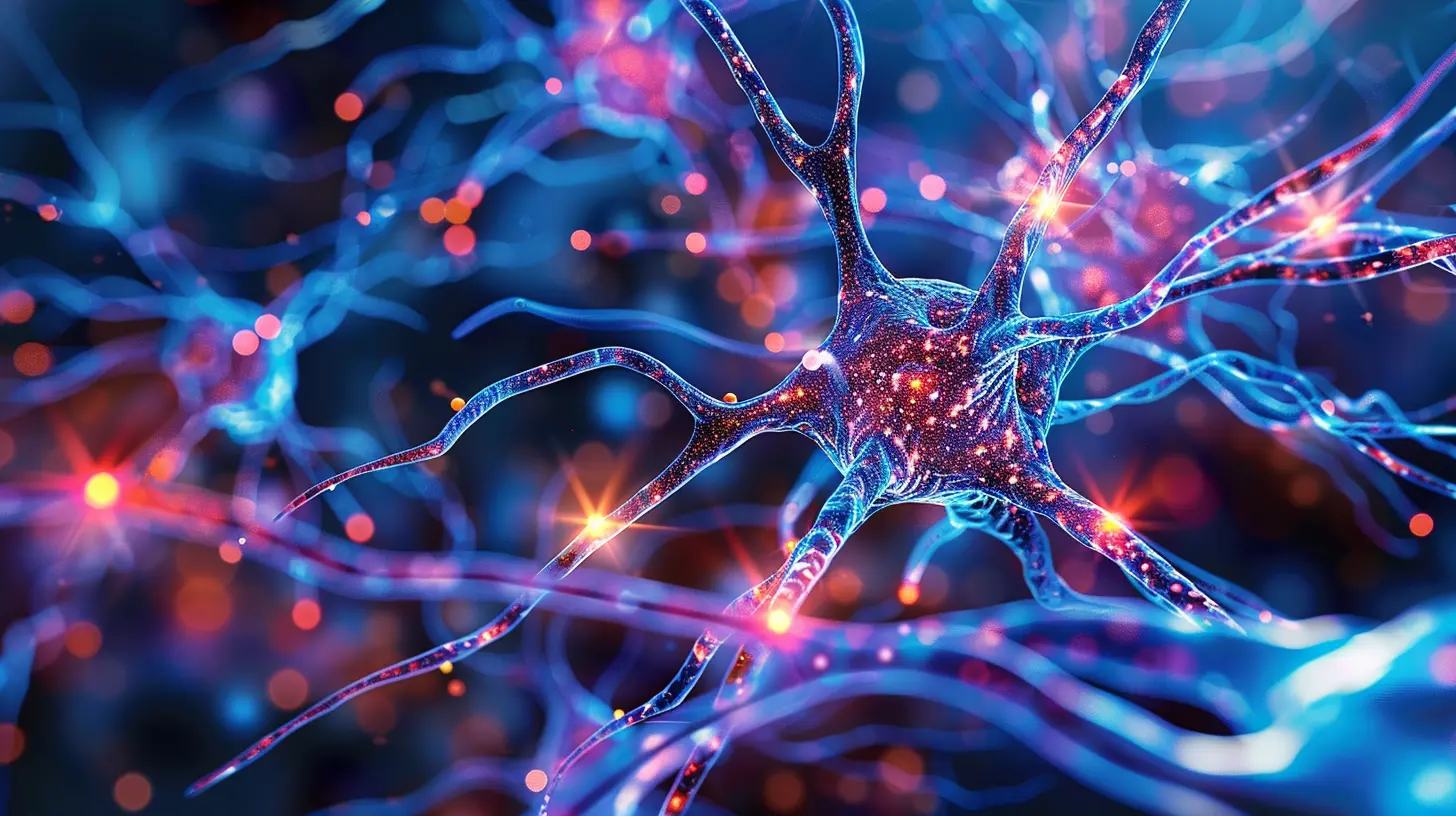
The Prefrontal Cortex: The Battle for Self-Control
If dopamine is the gas pedal, the prefrontal cortex is the brakes. This part of the brain handles decision-making, impulse control, and rational thinking. In a healthy brain, it helps us resist temptation (like stopping at one drink instead of downing the entire bottle).But in addiction?
- The prefrontal cortex weakens, making self-control a struggle.
- The ability to rationally weigh consequences vs. rewards diminishes.
- Impulsivity skyrockets, leading addicts to chase instant gratification, regardless of the long-term damage.
This is why addicts often can’t just stop—their brain’s braking system is malfunctioning.
The Stress System & Emotional Hijack
Ever notice that addiction and stress go hand in hand? That’s because stress fuels addiction, and addiction fuels stress—a nasty loop.How Stress Triggers Relapse
When the brain perceives stress, it activates the amygdala, the fear center. This cranks up cortisol (the stress hormone), making you feel anxious and on edge. Now, the brain remembers that drugs, alcohol, or gambling bring relief, so cravings kick in hard.This is why many addicts relapse under stress—the brain is desperately trying to numb the pain.
Why Some People Get Addicted While Others Don't
Not everyone who drinks or experiments with drugs becomes addicted. So, what makes someone more vulnerable?1. Genetics
Science shows that addiction is 50% genetic. If addiction runs in your family, your brain may have an inherited predisposition to dependency.2. Environment
- Childhood trauma (abuse, neglect, unstable homes) increases addiction risk.- Peer pressure and exposure to substances at an early age can shape brain development.
3. Mental Health Disorders
Depression, anxiety, and PTSD often coexist with addiction. Many people self-medicate without realizing they’re reinforcing a dangerous cycle.4. Age of First Use
The younger a person starts using, the more likely they are to develop an addiction. That’s because an adolescent brain is still wiring itself, making it extra susceptible to long-term changes.Breaking Free: The Science of Recovery
The good news? Addiction is reversible—but it’s not easy. The brain can rewire itself, but it takes time and effort.1. Detox & Withdrawal
The first step in recovery is detoxification, which can be brutal. The brain, now dependent on the substance, goes into shock mode—leading to withdrawal symptoms like nausea, depression, anxiety, and cravings.2. Therapy & Cognitive Rewiring
- Cognitive Behavioral Therapy (CBT) helps retrain thought patterns.- Medication-Assisted Treatment (MAT) (like methadone or naltrexone) can ease withdrawal.
- Mindfulness & Stress Management help strengthen the prefrontal cortex.
3. Social Support & Long-Term Strategies
Community is crucial. Support groups (like AA & NA), family involvement, and accountability partners boost recovery success.Over time, the brain builds new neural pathways, making sobriety the new “normal.”
Final Thoughts: Addiction is a Brain Disease, Not a Moral Failing
If you take away one thing from this, let it be this: Addiction is not a choice—it’s a neurological trap. Yes, the first hit or drink may have been voluntary, but once addiction sinks in, the brain is no longer playing by the same rules.That’s why shame and stigma don’t help—understanding and science do. If we truly want to tackle addiction, we need to deal with why the brain gets hooked in the first place.
Recovery is possible, but it’s a fight—a battle against biology itself. And for those still struggling, know this: You are not broken. Your brain just needs time to heal.
all images in this post were generated using AI tools
Category:
Clinical PsychologyAuthor:

Alexandra Butler