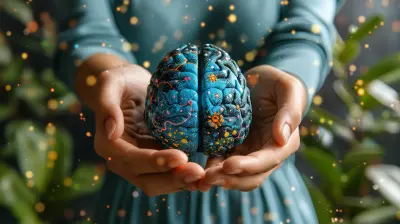
The Link Between Depression and Physical Pain: What You Should Know
23 February 2026
Depression isn’t just about feeling sad or emotionally drained—it can manifest in ways that many people don’t expect. One of the most surprising ways? Physical pain. If you've ever experienced chronic pain that just won’t go away, even after multiple doctor visits and treatments, your mind might be playing a bigger role than you think.
But how exactly are depression and physical pain connected? Let’s dive deep into this fascinating, yet often misunderstood, link between the two. 
The Mind-Body Connection: More Than Just a Metaphor
You've probably heard the phrase “mind over matter.” While it’s often used as a motivational tool, there’s actual science behind it when it comes to physical pain and mental health. Our brains don’t just process emotions—they also regulate pain signals.When someone is depressed, their brain chemistry changes. The neurotransmitters responsible for regulating mood, such as serotonin and dopamine, also play a crucial role in managing pain perception. When these neurotransmitters are out of balance, the body may interpret normal sensations as painful, amplifying discomfort.
Why Does Depression Cause Physical Pain?
Depression isn’t just emotional—it’s physiological. Here’s how it can cause pain:1. Neurotransmitter Imbalance – Depression often leads to lower levels of serotonin and norepinephrine, both of which help regulate pain. When they dip, even minor discomfort can feel unbearable.
2. Increased Inflammation – Studies show that depression can trigger chronic inflammation, which can contribute to conditions like arthritis, fibromyalgia, and muscle pain.
3. Heightened Pain Sensitivity – When you're depressed, your nervous system becomes more sensitive, making even mild aches feel more intense.
4. Physical Tension – Stress and depression often cause muscle tension, leading to headaches, back pain, and neck stiffness. 
Common Types of Pain Associated with Depression
Not all pain is created equal. The physical symptoms of depression can vary from person to person, but some types of pain are more common than others. If you’re struggling with persistent physical discomfort, it might be time to take a closer look at your mental health.1. Chronic Headaches
Ever feel like you have a constant headache that won’t quit? Depression and anxiety can lead to tension headaches or even migraines due to prolonged stress and muscle tightness.2. Back Pain
Stress and emotional distress often cause muscle tension, which can lead to chronic back pain. This might explain why your back acts up during particularly rough emotional patches.3. Joint and Muscle Pain
Depression can heighten pain perception, making minor joint and muscle aches feel unbearable. Conditions like fibromyalgia are frequently linked to mental health issues.4. Chest Pain
While chest pain can signal heart problems, it can also be a symptom of depression or anxiety. It’s always important to get chest pain checked out, but if doctors can’t find a physical cause, your mental health could be the culprit.5. Stomach Issues
The gut and the brain are closely connected. Depression can trigger digestion problems like bloating, nausea, constipation, or even irritable bowel syndrome (IBS).
The Vicious Cycle: Pain and Depression Feed Each Other
One of the most frustrating aspects of chronic pain and depression is that they fuel each other in a seemingly endless loop.- Pain causes depression: Imagine waking up every day in pain. Over time, that physical discomfort can drain your mental energy, making you feel hopeless and emotionally exhausted.
- Depression worsens pain: On the flip side, depression increases sensitivity to pain, making existing aches feel worse. It can also weaken your immune system, contributing to inflammation and other health problems.
This cycle can make it incredibly difficult to recover. If left unchecked, it can lead to a downward spiral where both mental and physical health continue to deteriorate. 
Breaking the Cycle: How to Manage Pain and Depression
The good news? You’re not powerless against this connection. By taking steps to manage both depression and physical pain, you can break the cycle and regain control over your life.1. Seek Professional Help
If you’re experiencing persistent pain and depression, speak to a healthcare professional. Psychologists, psychiatrists, and pain specialists can help you develop a treatment plan tailored to your needs.2. Consider Therapy
Cognitive Behavioral Therapy (CBT) has been shown to be highly effective in managing both depression and chronic pain. CBT helps reframe negative thoughts while teaching coping mechanisms to handle discomfort.3. Stay Active (Even When It’s Hard)
Exercise might be the last thing you want to do when you're in pain, but it can release endorphins—your body’s natural painkillers. Low-impact activities like yoga, stretching, or swimming can help ease both physical and emotional distress.4. Prioritize Sleep
Lack of sleep can make both depression and pain worse. Establish a bedtime routine, avoid screens before bed, and create a comfortable sleep environment to improve rest quality.5. Practice Mindfulness and Meditation
Mindfulness techniques, such as meditation and deep breathing exercises, can help retrain your brain’s pain response while reducing stress and anxiety.6. Fuel Your Body with the Right Nutrients
Your diet plays a crucial role in managing inflammation and brain function. Focus on anti-inflammatory foods like leafy greens, fatty fish, nuts, and berries while cutting back on processed foods and excess sugar.7. Don’t Ignore Medication Options
For some, medications can be life-changing. Antidepressants like SSRIs and SNRIs not only stabilize mood but can also help regulate pain perception. Always consult your doctor before starting any new medication.8. Connect with Others
Pain and depression can make you want to isolate yourself, but social support is crucial for healing. Whether it's family, friends, or support groups, having people to talk to can make a huge difference.When to Seek Help
If you're experiencing persistent or worsening pain along with feelings of hopelessness, fatigue, or disinterest in things you once loved, it's time to seek professional help. Depression and chronic pain are real medical conditions, not just something you should “push through” alone.Some warning signs that require immediate attention:
- Thoughts of self-harm or suicide
- Severe mood swings or emotional numbness
- Pain that interferes with daily life
- Loss of appetite or extreme fatigue
Reaching out for help isn’t a sign of weakness—it’s a step toward healing.
Final Thoughts
Depression and physical pain are more connected than most people realize. If you’ve been battling unexplained aches alongside emotional struggles, it’s not just in your head. Your mind and body are deeply intertwined, and taking care of both is essential for true healing.The key to overcoming this cycle? A combination of self-care, lifestyle changes, and professional support. By understanding the link between depression and pain, you can take proactive steps to manage both—and ultimately reclaim your well-being.
If this article resonated with you, consider reaching out to a professional or talking to a trusted friend. You're not alone in this journey!
all images in this post were generated using AI tools
Category:
Mind And Body ConnectionAuthor:

Alexandra Butler
Discussion
rate this article
2 comments
Kade Barnes
Pain and depression are intertwined.
March 8, 2026 at 4:37 AM
Alexandra Butler
Absolutely, pain and depression often influence each other, creating a complex relationship that can worsen both conditions. Understanding this link is crucial for effective treatment.
Cody Henson
Such an important connection! Mental health really impacts our physical well-being.
February 24, 2026 at 5:36 PM
Alexandra Butler
Absolutely! Understanding this connection is crucial for comprehensive health. Thank you for your insight!