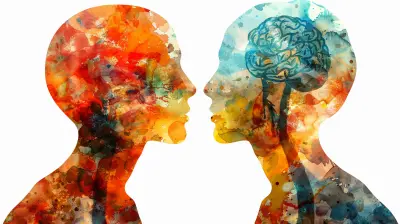
The Intersection of Mental Health and Chronic Pain
10 June 2026
When we talk about health, it's easy to separate physical and mental well-being into two distinct categories. But the truth is they’re deeply intertwined, almost as if they’re two sides of the same coin. One area where this connection is particularly evident is in the relationship between mental health and chronic pain. If you've ever lived with chronic pain, or know someone who has, you’re probably aware of how much it can take a toll on a person’s mental state. But why is that? And how exactly do these two aspects of health influence each other?
In this article, we’ll dive deep into the intersection of mental health and chronic pain, exploring how they interact, the challenges they create, and what you can do to manage both effectively.

Understanding Chronic Pain
First things first, what exactly is chronic pain? Unlike acute pain, which is short-lived and typically stems from an injury or illness, chronic pain lasts for months—sometimes even years. It’s persistent and can be caused by a wide range of issues, like arthritis, fibromyalgia, or even nerve damage. Some people experience chronic pain due to conditions that are difficult to diagnose, which can make finding effective treatment a challenge.Chronic pain is more than just a physical sensation. It affects how you feel emotionally and mentally. Imagine waking up every day in pain, with no clear end in sight. It’s no wonder that people living with chronic pain are more likely to also struggle with mental health issues like depression and anxiety.
The Psychological Impact of Chronic Pain
Chronic pain doesn’t just hurt your body; it can also wreak havoc on your mind. When someone is in constant pain, it’s easy for feelings of hopelessness and frustration to creep in. You might start to think, “Will I ever feel better?” or “Is this my life now?” These thoughts can spiral, leading to depression and anxiety.On top of that, chronic pain often disrupts sleep, which further exacerbates mental health issues. Sleep deprivation can make you irritable, foggy-headed, and more susceptible to negative thinking. It’s a vicious cycle—pain leads to poor mental health, and poor mental health can make pain feel even worse.

The Science Behind the Link
The relationship between mental health and chronic pain isn’t just emotional; it’s physiological as well. The mind and body communicate through a complex network of nerves and chemicals, many of which are involved in both pain perception and mood regulation. For example, neurotransmitters like serotonin and norepinephrine play a role in both mood and pain. If you’re low on these chemicals, not only are you more likely to feel depressed, but you may also be more sensitive to pain.In fact, studies have shown that people with mental health disorders are more likely to develop chronic pain, and vice versa. It’s as if the brain’s pain-processing system is on overdrive, making it difficult to separate emotional pain from physical pain.
The Role of the Brain
The brain plays a critical role in how we experience both pain and emotions. The prefrontal cortex, which is responsible for decision-making and emotional regulation, and the limbic system, which controls our emotional responses, are particularly important. When chronic pain sets in, these areas of the brain can become altered, leading to changes in how we perceive pain and how we manage our emotions.Interestingly, research has found that chronic pain can actually shrink certain areas of the brain, including the prefrontal cortex. This can make it harder to cope with pain and may worsen symptoms of depression and anxiety.

How Mental Health Conditions Can Worsen Chronic Pain
If you’re dealing with chronic pain, having a mental health condition can make it even worse. For instance, depression can lower your pain tolerance, making mild discomfort feel unbearable. Anxiety, on the other hand, can make you hyperaware of your body and any sensations of pain, leading to increased anxiety and more intense pain. It’s like being stuck in a never-ending feedback loop where pain and mental health issues feed off each other.Additionally, mental health conditions can make it harder to manage chronic pain. If you’re feeling depressed, you might lack the motivation to follow through with treatments like physical therapy or exercise, which can help alleviate pain. Anxiety can make it difficult to relax, which is crucial for managing pain effectively.
The Emotional Drain of Chronic Pain
Chronic pain can be isolating. You might find it challenging to partake in activities you once loved or even just get through the day. The constant pain can rob you of joy and make you feel disconnected from your friends and family. This emotional isolation can deepen feelings of depression and anxiety, making it a struggle to maintain relationships or even reach out for help.As a result, many people with chronic pain feel misunderstood or dismissed by others. After all, pain is invisible. It’s not like a broken arm that people can see and immediately understand. This can lead to feelings of frustration and loneliness, further contributing to mental health issues.
Breaking the Cycle: Managing Both Mental Health and Chronic Pain
So, how do you break the cycle? If you’re caught in the web of chronic pain and mental health struggles, the good news is that there are ways to manage both. It’s not easy, but with the right strategies, it’s possible to improve your quality of life.1. Seek Professional Help
First and foremost, don’t hesitate to seek professional help. A healthcare provider can work with you to create a comprehensive treatment plan that addresses both your physical and mental health needs. This might involve a combination of medication, therapy, and lifestyle changes.Cognitive-behavioral therapy (CBT) is particularly effective for people dealing with chronic pain. It helps you reframe negative thoughts and develop coping strategies for managing pain and emotional distress. In some cases, antidepressants might be prescribed, not just for their mood-lifting effects but also because they can help reduce pain perception.
2. Mind-Body Techniques
Mind-body therapies like meditation, yoga, and deep breathing exercises can be incredibly beneficial for managing both chronic pain and mental health. These practices help to calm the nervous system, reduce stress, and promote relaxation, which can decrease pain levels.Meditation, for example, teaches you to observe your thoughts and feelings without judgment. This can help you break the cycle of negative thinking that often accompanies chronic pain and mental health issues. Yoga combines physical movement with mindfulness, helping to improve flexibility, reduce pain, and alleviate anxiety and depression.
3. Stay Active
While it might seem counterintuitive, staying active is one of the best things you can do for both your physical and mental health. Gentle exercises like walking, swimming, or even light stretching can help reduce pain and improve your mood. Exercise releases endorphins, which are natural painkillers and mood boosters.It’s important to start slow and listen to your body. You don’t need to run a marathon—just moving a little each day can make a big difference.
4. Build a Support System
Living with chronic pain and mental health issues can feel overwhelming, but you don’t have to go through it alone. Building a support system of friends, family, and healthcare providers can make a huge difference in how you cope. Sometimes, just having someone to talk to can alleviate feelings of isolation and provide emotional support.If you don’t feel comfortable talking to those around you, consider joining a support group. There are many online and in-person communities where people share their experiences with chronic pain and mental health struggles. These groups can offer validation, encouragement, and practical tips for managing your symptoms.
5. Prioritize Self-Care
It’s easy to neglect self-care when you’re in pain, both physically and emotionally. But taking care of yourself is crucial for managing chronic pain and mental health. This can be as simple as ensuring you get enough sleep, eating a balanced diet, and finding time for relaxation.Self-care also means setting boundaries and learning to say no when you need to. Chronic pain can make everyday tasks feel overwhelming, so it’s important to be kind to yourself and recognize when you need a break.
The Importance of Early Intervention
Early intervention is key to preventing chronic pain and mental health issues from spiraling out of control. If you’re experiencing chronic pain, don’t wait to seek help. The longer pain persists, the more it can affect your mental health, and vice versa.Similarly, if you’re struggling with your mental health, addressing those issues early on can reduce your risk of developing chronic pain. The brain and body are so interconnected that treating one often leads to improvements in the other.
Conclusion
The intersection of mental health and chronic pain is a complex and multifaceted issue. However, by understanding how these two elements interact, you can take steps to manage both more effectively. Whether through professional treatment, mind-body techniques, or simply staying active, it’s possible to improve your quality of life and break the cycle of pain and emotional distress.Remember, you’re not alone in this journey. With the right support and strategies, you can regain control over your health and well-being.
all images in this post were generated using AI tools
Category:
Clinical PsychologyAuthor:

Alexandra Butler
Discussion
rate this article
1 comments
Blair McPhail
Great article! It's so important to recognize the link between mental health and chronic pain. You're not alone in this journey...
July 1, 2026 at 4:35 AM