The Importance of Early Intervention in Childhood Mental Disorders
30 October 2025
Let's be real—mental health is still one of those hush-hush topics people like to sweep under the rug. But here’s the thing: ignoring the signs won’t make them disappear, especially when it comes to kids. Childhood mental disorders are not just "bad behavior" or "a phase." They’re real, they’re serious, and they need attention ASAP.
Early intervention? Oh, it’s a game-changer! The sooner we step in, the better the chances of helping a child lead a happier, healthier life. So, grab your coffee (or wine, I don’t judge), and let’s dive into why early intervention is EVERYTHING when it comes to childhood mental health. 
🚨 Why Early Intervention Is a Big Deal
Picture this: A kid struggling with anxiety, depression, or ADHD, but no one takes it seriously because they’re “just a kid.” Fast forward a few years, and that unchecked struggle has turned into serious emotional, social, and even physical problems. Sounds like a nightmare, right? That’s exactly why we need to step in early.Early intervention means recognizing the warning signs and taking action before things spiral out of control. We're talking therapy, support systems, and coping mechanisms that can completely change a child's future.

🧠 The Most Common Childhood Mental Disorders
Before we get into why early intervention rocks, let’s quickly go over some of the most common mental disorders kids face:1. Anxiety Disorders
Does your child worry excessively about school, friends, or—heck—even the weather? Anxiety can mess with their sleep, appetite, and even their ability to function in social settings.2. Attention-Deficit/Hyperactivity Disorder (ADHD)
Not every hyper kid has ADHD, but if your child constantly struggles with focus, impulsivity, and hyperactivity, it might be time to evaluate further.3. Depression
Yes, kids can get depressed too. It’s not just a "bad day" or a "mood swing." If they seem persistently sad, hopeless, or withdrawn, it’s time to pay attention.4. Autism Spectrum Disorder (ASD)
This affects how kids interact, communicate, and perceive the world. Early intervention can dramatically improve social skills and learning abilities.5. Behavioral Disorders (Oppositional Defiant Disorder, Conduct Disorder)
If your child is constantly getting into trouble, breaking rules, or showing extreme defiance, it’s not just "acting out"—it could be something deeper.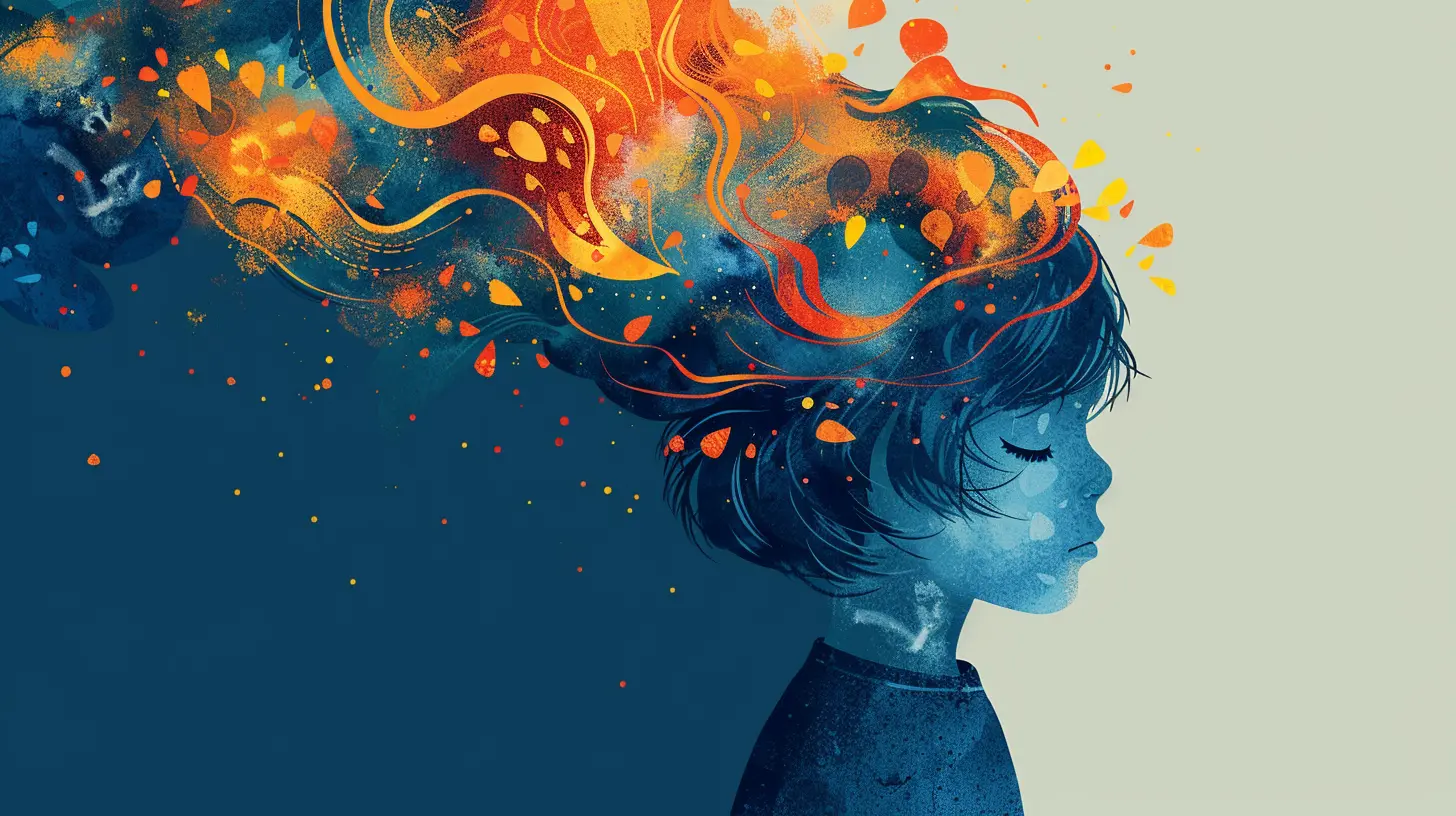
🚀 The Benefits of Early Intervention
So what’s the big deal about catching mental disorders early? Oh, just LIFE-CHANGING improvements, that’s all.1. Better Emotional Regulation
Kids who receive early support learn to manage their emotions more effectively. No more meltdowns over broken crayons (okay, maybe just fewer meltdowns).2. Strong Social Skills
Mental health struggles can make friendships feel like a battlefield. Early intervention helps kids navigate social situations like pros, instead of feeling like outsiders.3. Improved Academic Performance
When kids aren't battling anxiety, depression, or attention issues, they can actually focus on learning—what a concept!4. Reduced Risk of Future Mental Health Issues
Addressing issues early prevents them from snowballing into bigger, scarier problems in adulthood. Think of it like fixing a small leak before your whole house floods.5. Healthier Family Dynamics
Parents, I see you! I know the struggle is real. But when kids get the help they need, your home life gets smoother too—fewer tantrums, more understanding, and way less stress.
🔍 Recognizing the Warning Signs
Sure, no one expects you to be a child psychologist overnight, but there are some major red flags you should never ignore:- Frequent mood swings (happy one minute, explosive the next)
- Avoiding social situations (sudden dislike for friends, school, or family gatherings)
- Changes in sleeping or eating habits (too much or too little of either)
- Excessive fears or worries (especially ones that seem irrational)
- Difficulty concentrating (beyond the usual "short attention span" stereotype)
- Self-harm or talk of suicide (this is a huge red flag—get help immediately!)
If any of these sound familiar, it’s time to take action. And I mean now!
🏥 What Does Early Intervention Look Like?
So, how do we actually help these kids? It’s not about slapping a label on them—it’s about getting them the right support.1. Professional Therapy
A licensed therapist can work wonders. Whether it’s cognitive-behavioral therapy (CBT), play therapy, or family counseling, finding the right fit is crucial.2. Parental Support & Education
Parents, arm yourselves with knowledge! Understanding your child's struggles helps you become their biggest advocate.3. School-Based Support
Many schools offer counseling, special education services, or individualized learning plans (IEPs) to help children succeed academically and socially.4. Medication (When Necessary)
Look, I’m not saying medication is always the answer, but for some conditions, it can be life-changing. Always consult a doctor for a professional opinion.5. Healthy Lifestyle Changes
Exercise, proper nutrition, and a solid sleep schedule can do wonders for a child's mental health. Think of it as basic maintenance for the brain.🛑 The Consequences of NOT Intervening
Let’s flip the script—what happens if we just ignore the issue? Well, buckle up, because it’s not pretty:- Poor academic achievement—Struggling in school can set kids back for life.
- Substance abuse risks—Many teens turn to drugs or alcohol to cope with untreated mental health issues.
- Self-harm & suicidal thoughts—Let’s not sugarcoat it—this is a very real consequence of untreated mental disorders.
- Strained family relationships—A lack of support can create tension, resentment, and emotional distance.
- Increased risk of lifelong mental health struggles—What starts as childhood anxiety can grow into full-blown panic disorder if left untreated.
Avoiding early intervention isn’t just bad parenting—it’s a disservice to the child’s entire future. No pressure, but yeah, it’s THAT serious.
🎯 Final Thoughts
Here’s the bottom line—mental health matters at every age. Childhood mental disorders aren’t "phases" or "bad behavior." They’re real conditions that deserve attention, compassion, and proper treatment.Early intervention can mean the difference between a child who struggles alone and one who thrives with support. If you suspect something’s off, trust your gut and seek help. Your child’s future happiness depends on it.
all images in this post were generated using AI tools
Category:
Clinical PsychologyAuthor:

Alexandra Butler
Discussion
rate this article
1 comments
Maggie Conrad
This article highlights a crucial aspect of mental health care—the significance of early intervention in childhood disorders. Addressing these issues promptly can dramatically improve a child's development and well-being. Investing in early support not only aids individuals but also fosters healthier communities. Awareness and action are vital for positive outcomes.
November 3, 2025 at 5:51 AM
Alexandra Butler
Thank you for your insightful comment! I completely agree—early intervention is essential for fostering healthier futures for children and communities alike.