The Impact of Social Media on Adolescent Mental Health
16 May 2026
Let’s face it—social media is everywhere. It’s in our pockets, on our screens, and for adolescents, it’s almost a second home. But while scrolling through TikTok, snapping Instagram stories, or keeping up on Snapchat might be "normal" these days, it's worth asking: what’s all that screen time doing to the mental health of young people?
Let’s dive into what’s really going on behind those selfies, likes, and hashtags. Spoiler alert—it’s more complicated than you might think.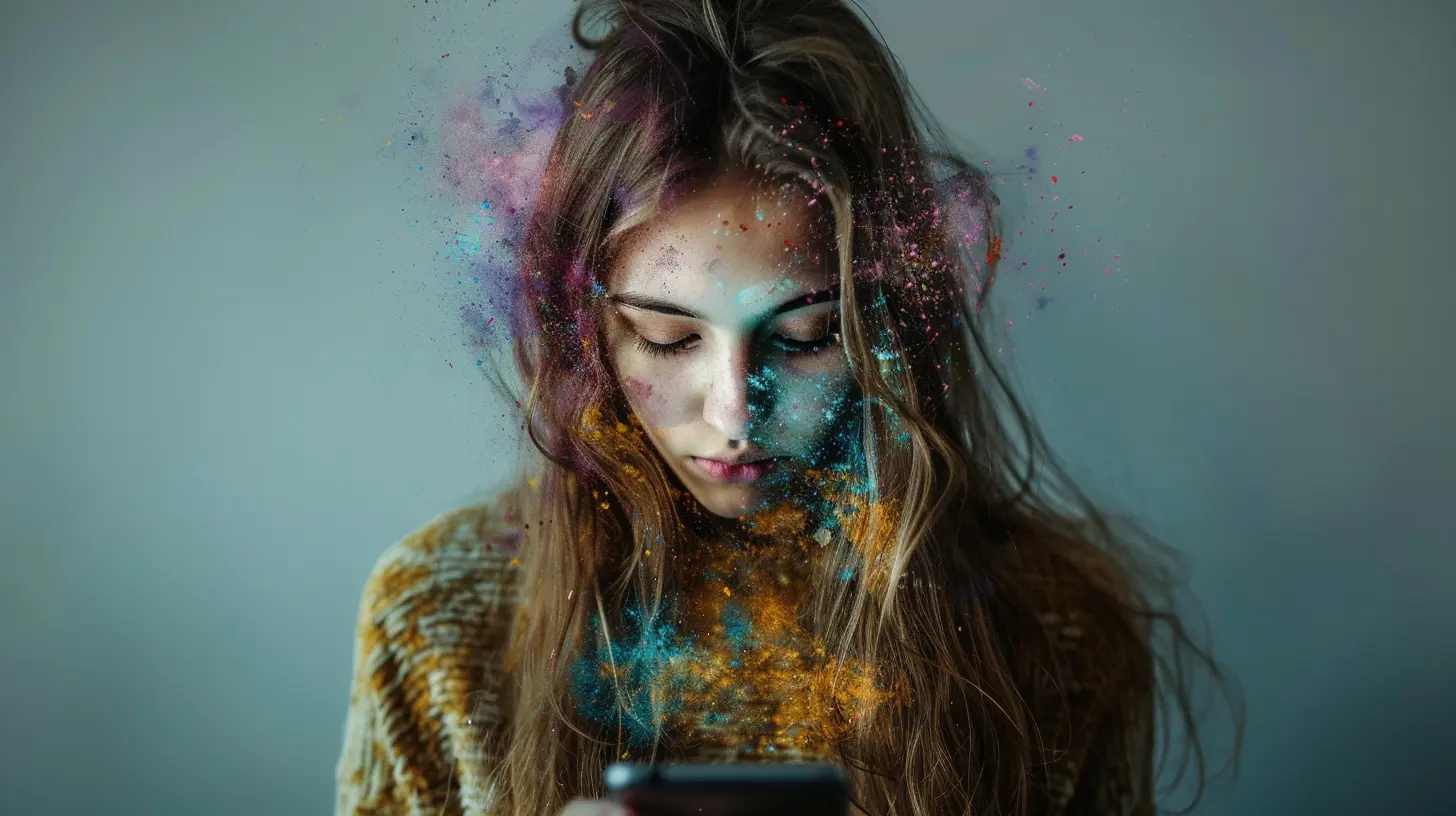
Why Is Social Media So Enticing for Teens?
Before we get into the effects, let's talk about why teens are so drawn to social media in the first place. It's not just about viral dances or meme pages. Here's what actually hooks them:- Validation: A like, comment, or share can feel like a virtual high five. Teens crave social approval, and social media gives it instantly.
- FOMO (Fear of Missing Out): Seeing friends hang out without you? That hits hard. It keeps adolescents glued to their screens.
- Identity Building: Teens are figuring themselves out. Social media lets them experiment with how they present themselves to the world.
- Connection: Whether it's chatting with friends or joining online communities, social media helps teens feel like they belong.
Now, all of that might sound harmless—maybe even helpful. But there’s a darker side to this digital world that we can’t ignore.
The Double-Edged Sword: Pros and Cons of Social Media for Mental Health
Social media isn’t just good or bad—it’s both. Like fire, it can either cook your food or burn your house down.✅ The Good
Let’s be fair—social media isn’t all doom and gloom. There are genuine mental health benefits, including:- Support Networks: Teens dealing with mental health issues can find communities that listen, relate, and help.
- Self-Expression: Art, writing, videos—social platforms let teens express themselves in creative ways.
- Awareness: Pages and influencers focusing on mental health help reduce stigma and provide valuable resources.
❌ The Not-So-Good
Here’s where it gets troubling.- Comparison Culture: Seeing perfect bodies, flawless lives, and constant success can make teens feel inferior. It’s a highlight reel—not real life.
- Cyberbullying: Harassment doesn’t stop when the school bell rings. It follows teens home, 24/7.
- Addictive Behavior: The endless scroll isn’t by accident—apps are designed to keep us hooked, sometimes at the cost of sleep, focus, and real-life activities.
- Anxiety and Depression: Studies have linked excessive social media use to increased rates of anxiety and depression among adolescents.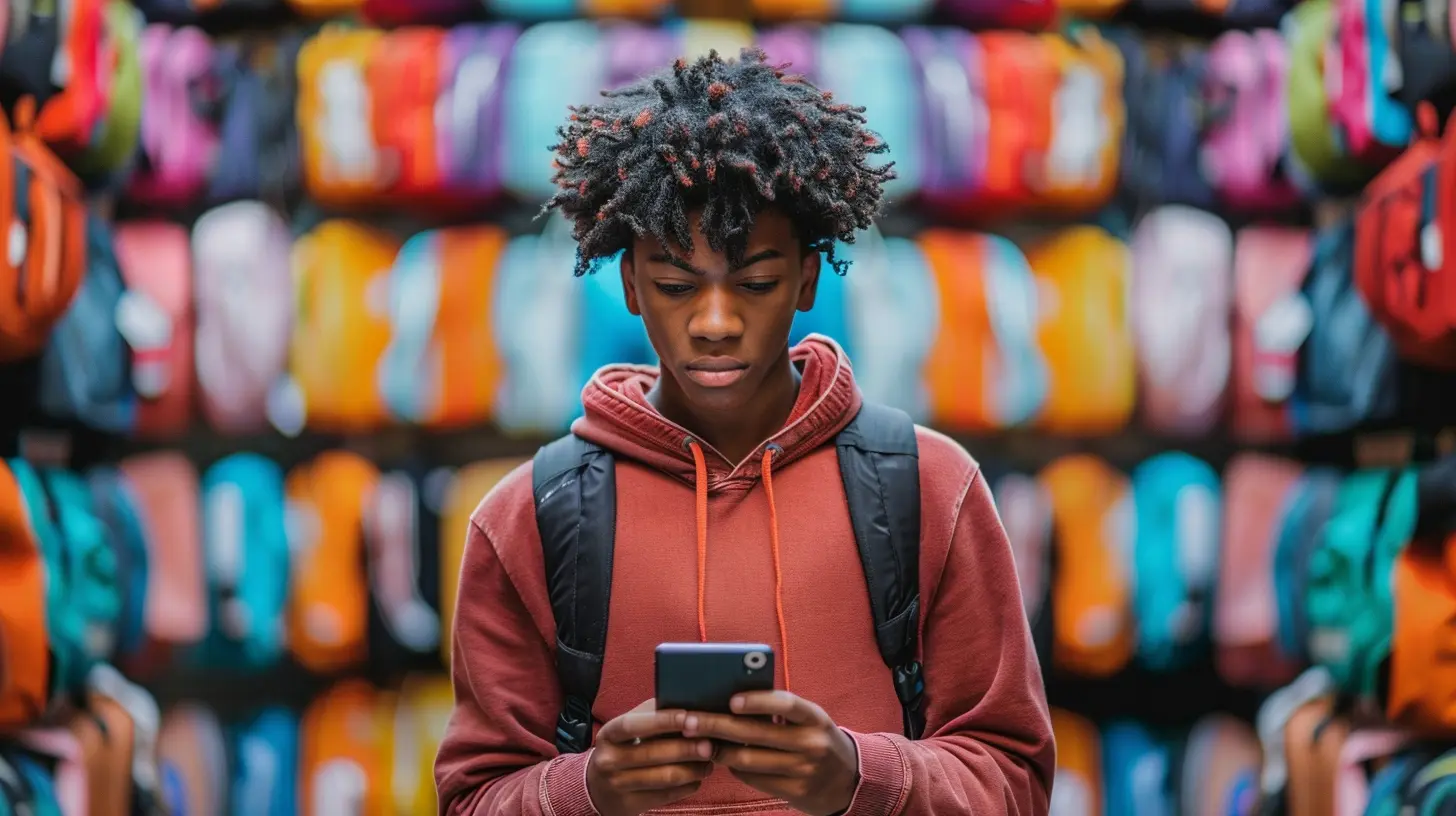
Social Media, Dopamine, and the Adolescent Brain
Ever wonder why it feels so good to get a like? You can thank dopamine—the brain’s “feel-good” chemical. Social media is like a slot machine for the brain. Each notification can trigger a small dopamine release, making teens want to come back for more.Now imagine this happening constantly during a time when the brain is still developing. Adolescents are more sensitive to emotional reward, and social media plays right into that vulnerability. In the long term, this constant search for validation can mess with emotional regulation, self-esteem, and resilience.
Screen Time vs. Screen Use: Why Context Matters
Here's the thing—not all screen time is created equal. Watching an educational video and doomscrolling through negative news are worlds apart.What really matters isn’t just how long teens are on their phones, but what they’re doing and why they’re doing it.
- Passive Use: Mindless scrolling and lurking can increase feelings of loneliness and isolation.
- Active Use: Messaging friends, posting updates, or creating content can foster connection and creativity.
So, blanket rules like “Less screen time!” might not always be the answer. Instead, understanding the quality and purpose of screen use can have a bigger impact.
Body Image and Social Media: A Battle for Self-Worth
Let’s talk filters, face-tuning apps, and unrealistic beauty standards. Social media is warping how teens—especially girls—see themselves.When every image is curated and filtered to perfection, it sets an impossible benchmark for beauty. Teens may constantly compare themselves, thinking, “Why don’t I look like that?”—even when the “that” isn’t even real.
This can trigger:
- Low self-esteem
- Disordered eating patterns
- Body dysmorphia
Boys aren’t off the hook either. The pressure to be muscular, athletic, or “manly” can be just as damaging.
The Silent Epidemic: Social Media and Sleep Deprivation
Let’s be honest—how many of us have said, “Just five more minutes,” only to be up an hour later flipping through videos?For teens, lack of sleep isn’t just about being cranky in the morning. It affects everything—from academic performance to emotional regulation. Here’s how social media plays a role:
- Blue Light: It messes with the body’s natural sleep-wake cycle.
- Overstimulation: Constant alerts and updates keep the brain wired.
- Late-night FOMO: Teens stay up just to make sure they’re not missing anything.
It’s no surprise then that poor sleep can lead to higher levels of anxiety and depression.
Social Media and Peer Pressure: It's Not Just Offline Anymore
Peer pressure didn’t disappear—it just went digital.On social platforms, teens don’t just feel pressured to fit in—they feel pressured to perform. Whether it’s joining trends, posting certain content, or chasing likes, the fear of being judged is constant.
This can lead to:
- Risky behaviors for attention
- Altered self-image to gain approval
- Anxiety around being “liked” or accepted
Think of it as a stage where everyone’s watching, and everyone’s a critic.
The Role of Parents, Educators, and Society
It’s easy to point fingers at social media. But the responsibility also falls on the adults in a teen’s life.Here’s how we can step in:
- Open Conversations: Don’t just tell teens to “get off their phones.” Ask them what they’re seeing, feeling, and thinking.
- Set Boundaries Together: Suggest healthy screen time habits—but involve them in the process so it doesn’t feel like punishment.
- Model Behavior: If you're glued to your phone, they'll think it's okay too.
- Mental Health Support: Schools and parents should prioritize mental health education as much as academics.
So, What Can Be Done?
We’re not going to tear down the internet. But we can change how we use it—and how we teach others to use it.Here are some practical steps:
- Digital Detox Days: Set aside one day a week to unplug.- Curate the Feed: Encourage following positive, inspiring accounts instead of toxic comparison traps.
- Use Apps That Track Usage: Awareness is the first step to change.
- Engage in Offline Activities: Hobbies, sports, and face-to-face time with friends helps balance the scales.
- Mental Health Literacy: Teach teens how to recognize anxiety, depression, and other challenges—and where to seek help.
Final Thoughts: It's All About Balance
The impact of social media on adolescent mental health isn't black and white. Yes, it’s messing with sleep, self-esteem, and emotional well-being—but it also offers connection and support when used wisely.Instead of banning it or pretending it doesn’t matter, we should be helping teens build a healthy relationship with it. Like any tool, its value depends on how it's used. Let’s teach teens to scroll smart, post thoughtfully, and—above all—take care of their minds after logging off.
all images in this post were generated using AI tools
Category:
Clinical PsychologyAuthor:

Alexandra Butler
Discussion
rate this article
1 comments
Carmel Hines
This article sheds light on the complex relationship between social media use and adolescent mental health. It highlights both the benefits and drawbacks, emphasizing the need for balanced engagement. Understanding these dynamics is crucial for parents, educators, and mental health professionals in supporting youth effectively.
June 2, 2026 at 4:38 PM
Alexandra Butler
Thank you for your insight. It's vital to acknowledge both sides of social media's impact as we navigate this complex issue. Balance is key for healthy engagement.