The Future of Mood-Tracking Technology in 2026
21 April 2026
The world of technology is advancing at lightning speed, and one area that's gaining traction is mood-tracking tech. Have you ever wondered how your emotions fluctuate throughout the day? Or perhaps you’ve felt overwhelmed by stress and wanted to pinpoint its source. Enter mood-tracking technology—an innovative solution that may help us understand our emotional health. As we gaze into the crystal ball, what does 2026 hold for this burgeoning field? Strap in as we explore the future of mood-tracking technology, the potential it has, and the ethical considerations we must keep in mind.

What is Mood-Tracking Technology?
Before we get too far ahead of ourselves, let’s break down what mood-tracking technology actually is. In simple terms, it consists of various tools and applications designed to monitor and record your emotional states. From apps that let you log your feelings to wearable devices that track physiological indicators like heart rate and sleep patterns, mood-tracking tech aims to give us insights into our mental well-being.Imagine having a digital diary that not only records your thoughts but can also analyze your emotional patterns over time. Wouldn’t that be fascinating? You could catch triggers before they escalate, leading to healthier emotional management. Pretty cool, right?
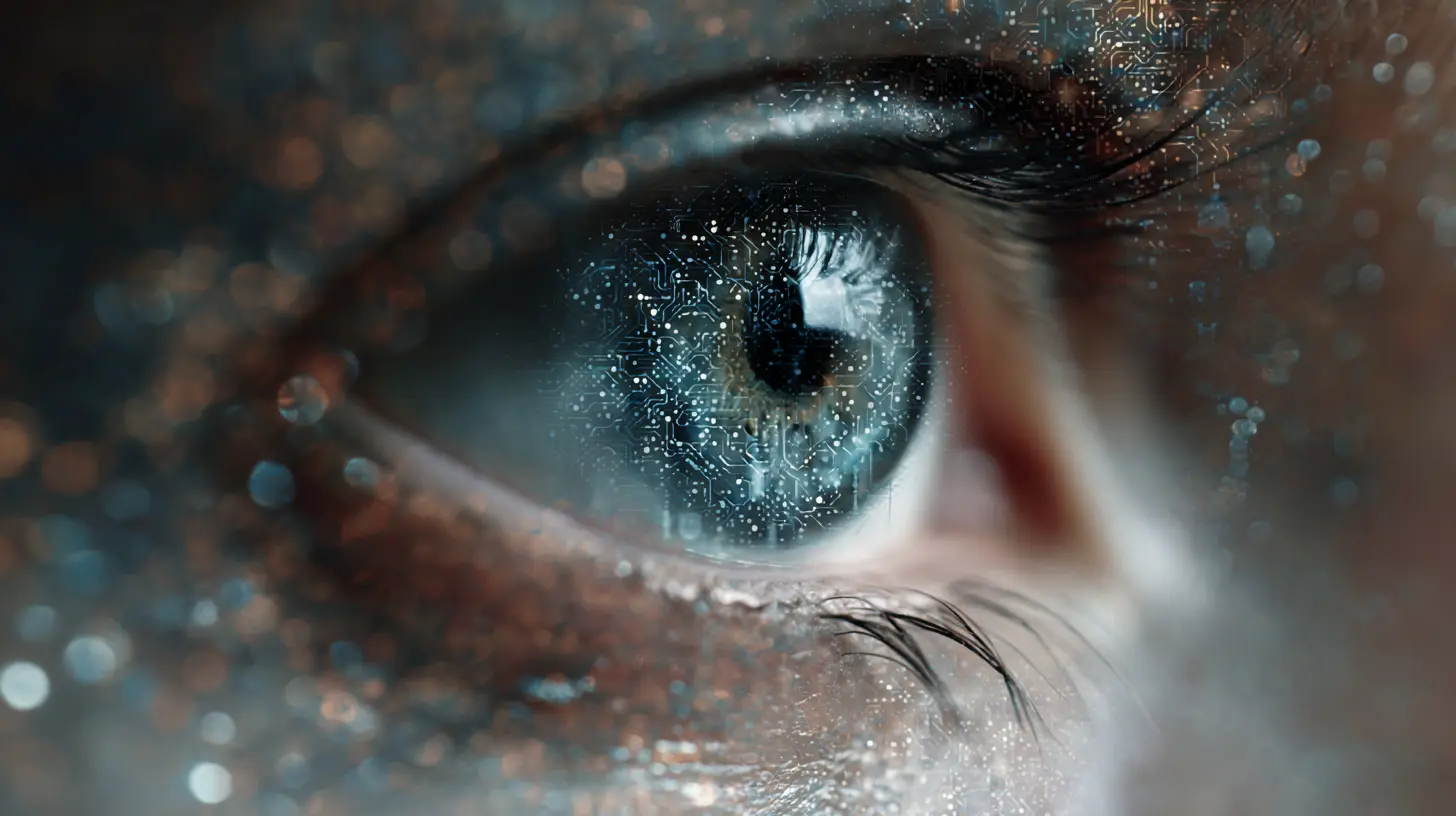
The Current State of Mood-Tracking Technology
As of now, mood-tracking technology is still in its adolescence. While there are numerous apps available, such as Daylio and Moodfit, many lack the sophisticated algorithms that could make them truly effective. Current tech typically relies on self-reported data, which can be subjective and prone to inaccuracies. In other words, how many times have you forgotten to log your mood? Or perhaps you didn’t want to admit you were feeling a bit down?But the landscape is changing. With advancements in artificial intelligence (AI) and machine learning, we’re beginning to see tools that can analyze emotion in real-time. These technologies are gaining traction in therapeutic settings, where they can provide clinicians with valuable insights into their clients’ emotional states.

The Role of AI and Machine Learning
Fast forward to 2026, and we’re likely to see a significant shift in how mood-tracking systems operate thanks to AI and machine learning. Imagine a world where your smartphone or wearable device could not only track your mood but also predict your emotional dips based on various inputs—like your sleep quality, the weather, or even your social interactions.Think about it: if your device notices a pattern where your mood dips every Sunday night, it could send you a gentle reminder to engage in an activity that lifts your spirits. Or, if it detects that you're feeling anxious before a big meeting, it might suggest a quick breathing exercise or a motivational podcast to listen to beforehand. This kind of proactive engagement could be a game-changer in emotional health management.

Integration with Mental Health Professionals
As we look ahead, it seems inevitable that mood-tracking technology will be integrated with mental health professionals. Imagine being able to share your mood data directly with your therapist during a session. Instead of starting from scratch, you could dive right into the heart of the matter. This could lead to more personalized treatment plans and better overall outcomes.But let’s be real—there’s a fine line between helpful integration and over-reliance on technology. While mood-tracking devices can provide valuable insights, they shouldn’t replace the human connection that’s so vital in therapy. Technology is a tool, not a substitute for genuine human interaction.
Gamification: Making Mood Tracking Fun
In 2026, we may also see mood-tracking technology embracing gamification. What if tracking your mood became a game? Imagine earning points or rewards for logging your feelings consistently or completing challenges that promote positive emotional health, like practicing gratitude or engaging in mindfulness exercises.Gamification could be an effective way to encourage users to engage with their emotional health actively. Just like how fitness apps motivate you to step up your game, mood-tracking apps could incentivize you to be more aware of your emotions. Plus, who doesn’t love a little friendly competition?
The Ethical Implications
As with all technologies, the rise of mood-tracking tools isn’t without its ethical dilemmas. The data collected by these applications can be incredibly personal and sensitive. Who has access to it? How is it used? What happens if it falls into the wrong hands? These are questions we must consider as we forge ahead.Privacy concerns might lead to a lack of trust in mood-tracking technology. If users feel like their emotional data is being exploited or inadequately protected, they may shy away from using these tools altogether. Transparency will be key to fostering a trustworthy relationship between users and developers.
The Future of Wearable Devices
Wearable devices like smartwatches are already incorporating mood-tracking features, but what will they look like in 2026? Picture a smartwatch that not only tracks your heart rate but can also gauge your emotional state by analyzing your physiological responses. It could use skin conductivity, heart rate variability, and even subtle facial expressions to provide real-time updates on how you're feeling.This kind of innovation could empower users to take action before their emotional state spirals into something more concerning. Think of it as a personal mood coach right on your wrist, always there to nudge you in the right direction.
Personalization: The Key to Effective Mood Tracking
One of the most exciting prospects for the future of mood-tracking technology is personalization. In 2026, we might see mood-tracking apps that adapt to your unique emotional patterns. If you’re someone who tends to get more anxious in crowded places, your app could learn that and provide tailored coping strategies when you find yourself in social settings.This level of customization could revolutionize how we approach mental health. Rather than a one-size-fits-all solution, mood-tracking tools could offer individualized strategies and support, making them much more effective.
Social Media and Mood Tracking
As social media continues to be a significant part of our lives, it’s likely that mood-tracking technology will find ways to integrate with these platforms. Imagine if your mood-tracking app could analyze your social media interactions to gauge your emotional state. If you consistently post negative content or engage in toxic conversations, your app might alert you to take a step back and reassess your online habits.However, we have to tread carefully here. The double-edged sword of social media can elevate mood tracking but can also drive anxiety and stress. Balancing positive engagement while being mindful of its potential downsides will be crucial.
Community Support and Mood-Tracking Technology
By 2026, mood-tracking technology could facilitate community engagement in emotional health. What if your app had a feature that allowed you to connect with others who share similar emotional struggles? It could serve as a safe space for people to share their experiences, coping strategies, and offer support to one another.This sense of community can be incredibly beneficial, especially for those who may feel isolated in their emotional struggles. After all, we’re all human, and sometimes it helps to know we’re not alone in our feelings.
The Road Ahead: Challenges and Opportunities
While the future looks promising for mood-tracking technology, it’s crucial to acknowledge the challenges ahead. From ensuring data privacy to combating the potential for over-dependence on tech, there are hurdles to overcome. However, these challenges also present opportunities for innovation and improvement.As developers continue to create more sophisticated tools, we must hold them accountable for ethical practices. Transparency, user education, and mental health advocacy should go hand-in-hand with technological advancements.
Conclusion
So, what does the future hold for mood-tracking technology in 2026? It’s likely to be a dynamic, engaging, and ethically sound landscape, filled with opportunities for improved emotional health. With AI, machine learning, and community support paving the way, we may finally have the tools we need to understand and manage our emotions more effectively.While we’re on this journey, let’s remember that technology is just one part of the equation. The human experience is deeply complex and cannot be fully captured by data alone. Let’s embrace these innovations while also nurturing our relationships and connections with others.
After all, at the end of the day, it’s not just about tracking our moods—it’s about understanding ourselves and supporting one another in our emotional journeys.
all images in this post were generated using AI tools
Category:
Mood And EmotionsAuthor:

Alexandra Butler
Discussion
rate this article
1 comments
Katalina Fisher
Unlocking emotions or invading privacy? The 2026 mood-tracking landscape holds secrets yet to unfold.
April 22, 2026 at 3:58 AM
Alexandra Butler
That's a thought-provoking question. Balancing emotional insights with privacy will be crucial as this technology evolves.