The Ethics of Diagnosis: What Every Clinical Psychologist Should Know
23 May 2026
Imagine walking into a psychologist’s office seeking clarity, only to walk out feeling labeled, boxed in, or worse—misunderstood. That’s the power and peril of psychological diagnosis. It’s a double-edged sword. In the hands of a skilled, ethical clinician, a diagnosis can be the beacon guiding someone out of the fog. In the wrong context, it can be a brand that sticks like a tattoo you never wanted.
So, what really lies beneath the surface of diagnosing mental health in the world of clinical psychology? Is it simply about slapping a disorder label on symptoms or is there more—much more—to it? Let’s dive deep into the murky waters of diagnostic ethics, where the human psyche meets scientific classification.
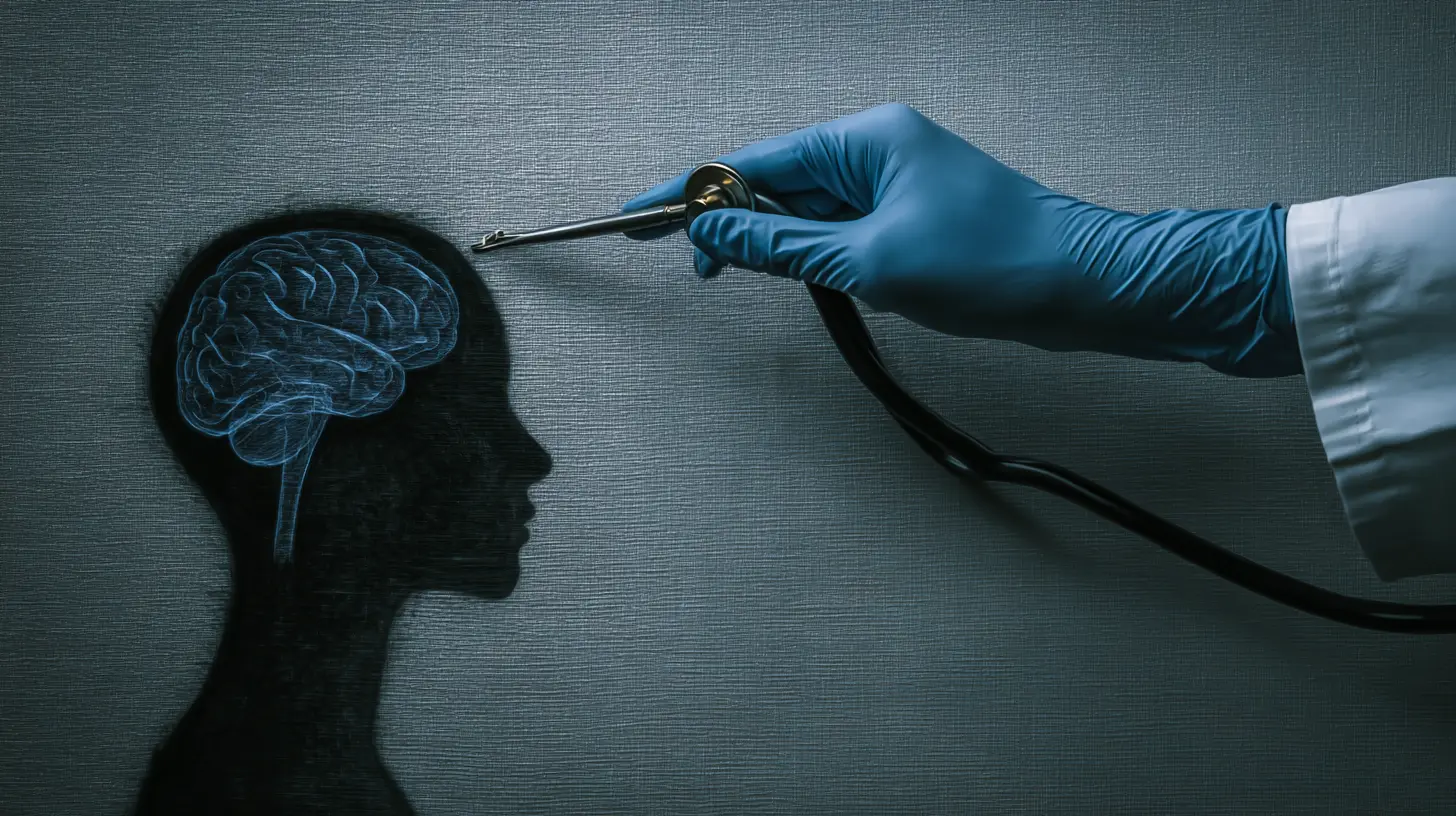
The Seduction of the Label
Let’s be honest—labels are seductive. They make things feel simpler, cleaner, and easier to talk about. Anxiety? Depression? Bipolar? ADHD? These terms roll off the tongue in everyday conversations now, almost like personality traits.But here’s the kicker: mental health is anything but simple. Unlike physical illnesses that show up on MRIs or blood tests, mental disorders are diagnosed through behavior, self-report, and interpretation. That’s a lot of room for subjectivity.
So when a clinical psychologist makes a diagnosis, they’re wielding something powerful—something that could shape a person’s life, relationships, self-image, and even legal status. That’s why ethics isn’t just important here—it’s everything.
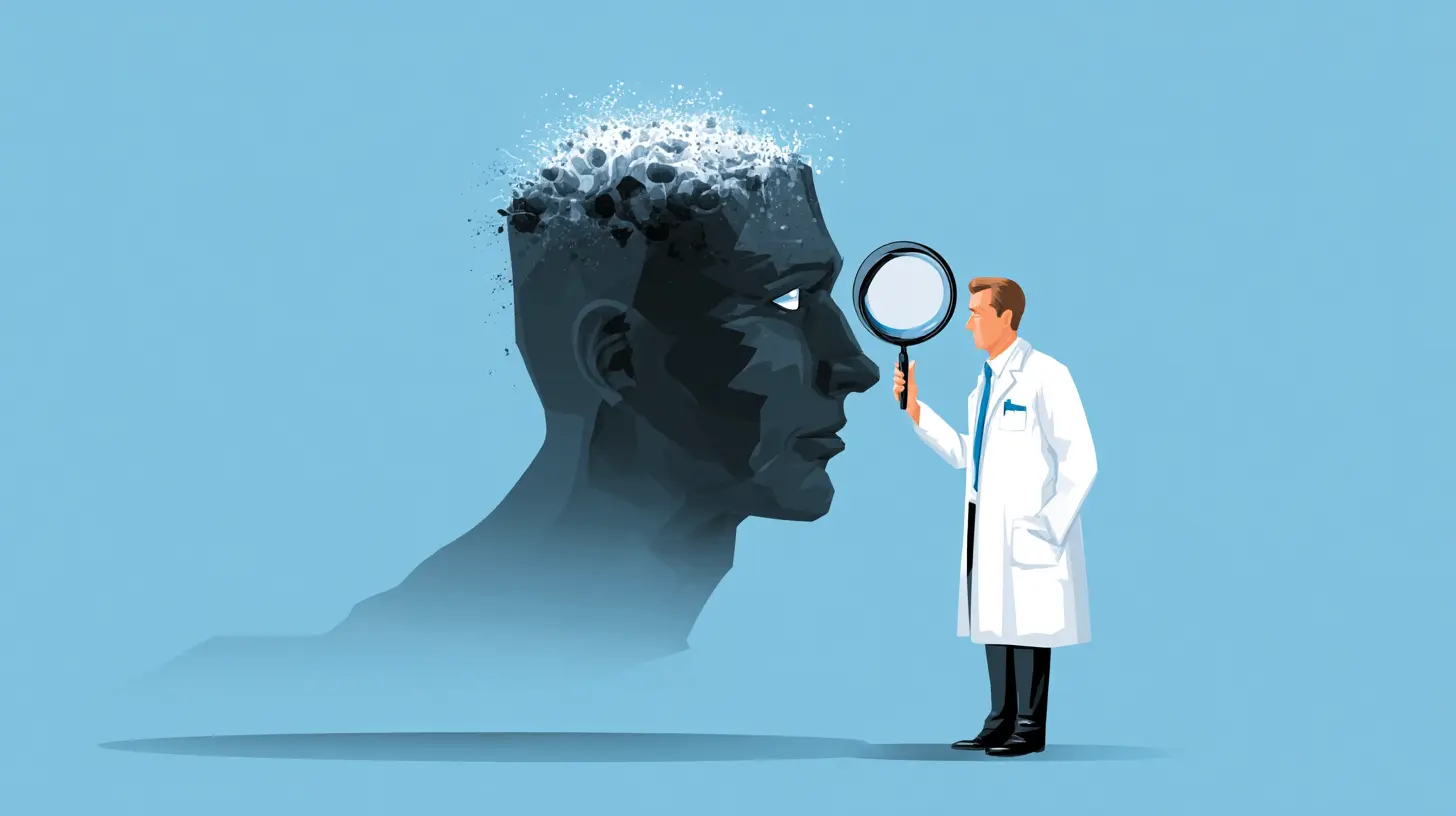
Why Ethics Matter in Diagnosis
Ever heard the phrase “With great power comes great responsibility”? Yep, Uncle Ben from Spider-Man had it right. Diagnosing someone isn’t just a clinical step—it’s a statement that can impact everything from how someone sees themselves to the treatment they receive.When a diagnosis is done ethically, it leads to understanding, healing, and progress. But an unethical or rushed diagnosis? It can lead to stigma, unnecessary medication, or even long-term emotional damage.
So, if you're a clinical psychologist or aspiring to be one, here's what you should have tattooed (figuratively!) on your ethical compass.
1. Understanding the Human Behind the Symptoms
Before you even think about flipping open the DSM-5, pause. Look at the person in front of you. What’s their story? What’s going on in their world?Ethical diagnosis starts with radical empathy—seeing the full human, not just the symptoms. Sure, someone may meet the criteria for Major Depressive Disorder, but are they dealing with grief, burnout, or a toxic work environment? Context matters. A lot.
Think of it like this: Would you diagnose someone with hypothermia if they’ve just walked out of a snowstorm? Or would you first offer them warmth and shelter?
Tip:
Spend time understanding environmental, cultural, and situational factors. Diagnosis isn't just a yes-or-no checklist; it's a deeply rooted understanding of context.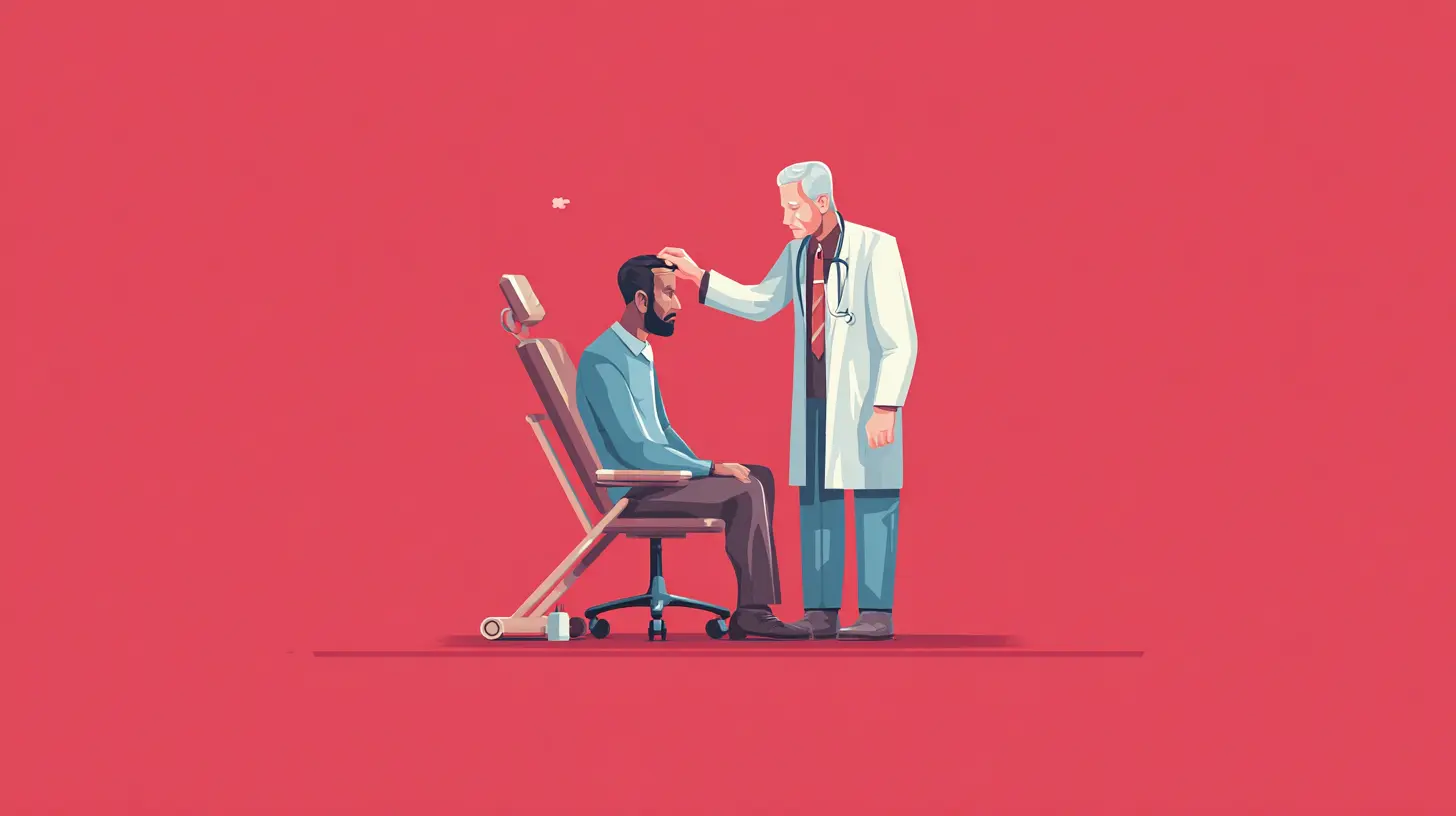
2. Avoiding Overpathologizing – Not Every Struggle is a Disorder
Modern psychology has a strange paradox: the more we understand mental health, the more we risk over-pathologizing normal human experiences.Feeling anxious before a presentation? That’s not necessarily Generalized Anxiety Disorder. Feeling down after a breakup? That’s probably not Major Depression.
Ethically, it’s crucial to draw the line between “life is hard right now” and “you have a clinical disorder.” Why? Because turning normal emotional responses into psychiatric issues can do more harm than good.
Quick Check:
Ask yourself—Does this person’s experience significantly impair their functioning? Is it persistent? Is it affecting multiple areas of their life? Or is it a reaction to very real life challenges?3. Informed Consent Isn’t Optional—it’s Foundational
You wouldn’t perform surgery without consent, right? The same goes for diagnosis. Clients have the right to know what you're diagnosing, why, and how it may be used.Many individuals don’t realize the consequences of accepting a psychological diagnosis—it can affect everything from insurance to employment to legal matters.
As a clinician, it’s your ethical duty to have clear conversations about:
- What the diagnosis means
- How it will be documented
- Who may have access to it
- How it may impact them short- and long-term
Treat your clients like they’re part of the journey—not just passengers on the diagnostic train.
4. Cultural Competence is Not Just a Buzzword
Here’s the uncomfortable truth: most diagnostic tools were created for Western, white, English-speaking populations. So when you apply them across cultures without adaptation, you're not diagnosing—you’re distorting.Maybe a client from a collectivist culture shows concern over family approval—doesn’t mean they have dependent personality disorder. Or someone expressing emotions through physical symptoms doesn’t automatically mean somatic symptom disorder.
Psychologists must constantly ask: Am I diagnosing through my lens or theirs?
Ethical Must-Do:
Dig deep into cultural context. Use culturally informed assessments. Understand beliefs, values, and communication norms before interpreting behavior.5. Diagnosis ≠ Identity
Let’s say it louder for the folks in the back: A diagnosis is not who someone is—it’s what they’re going through.Unfortunately, labels tend to stick. Someone who gets diagnosed as “schizophrenic” might be seen that way forever, even in remission. That’s ethically troubling.
Clinical psychologists have a responsibility to use person-first language. Say “a person with schizophrenia,” not “a schizophrenic.” It’s a small but powerful shift that acknowledges humanity over pathology.
Help your clients see their diagnosis as a tool for healing—not a life sentence.
6. Watch Out for Confirmation Bias
Here’s a sneaky little cognitive trap: once you suspect a diagnosis, your brain starts looking for evidence to confirm it. That’s dangerous.Imagine walking into a room with a dim flashlight and only shining it where you expect to see certain things. You’ll miss everything else.
Ethical clinicians actively challenge their own assumptions. They seek disconfirming evidence. They seek second opinions when needed. They keep curiosity alive.
Always ask yourself: Am I seeing what’s really there, or what I expect to see?
7. The Business Side of Diagnosis – Insurance & Diagnosis Pressure
Let’s get real—diagnoses often unlock access to insurance reimbursement. No diagnosis, no payment. That creates a conflict of interest.Some clinicians may feel pressured to assign a diagnosis just so the client can receive services. Others may inflate the severity to justify treatment plans. It’s a slippery slope.
Ethically? That’s a no-go. Financial and accessibility challenges are real, but compromising integrity to navigate the system hurts everyone in the long run.
A better approach? Advocate for systemic change while staying true to evidence-based practices.
8. Ethics in Digital Diagnosis & Telepsychology
Flash forward to the digital era—now, people can receive diagnoses over Zoom or even via apps. Convenience? Yes. Risk? Huge.Without the nuance of in-person interaction, tone, body language, and subtle cues get lost. Building rapport takes longer. Misinterpretation becomes more likely.
As mental health care turns digital, ethical responsibility grows even more critical. Psychologists must practice extra caution in diagnostic processes online.
Make sure clients understand the limitations. Double-check interpretations. Document everything. Transparency is your best friend in a virtual world.
9. Child and Adolescent Diagnosis – Handle With Extra Care
Kids are sponges—they absorb everything, including the labels we assign to them. Diagnosing a child is like writing a story’s opening chapter. Do it carelessly, and you might shape the rest of the book unfairly.Certain behaviors might look like ADHD, but are they trauma responses? A shy child might seem withdrawn—are they on the autism spectrum or just introverted?
Children change rapidly, and their brains are still forming pathways. That means diagnoses should be tentative, flexible, and revisited over time. Never treat them as definitive roadmaps.
10. Continual Reassessment is Ethical Responsibility
Here’s a plot twist that doesn’t get enough attention: diagnoses can change. And they often should.Symptoms evolve. Situations shift. Life happens. Ethical psychologists stay open to revising diagnoses as new information surfaces. They update treatment plans. They tell clients, “We’re learning more about your experience, and that’s okay.”
Diagnosis isn’t a tombstone—it’s a working hypothesis. Keep it fluid. Keep checking in.
Bottom Line? Ethics is the North Star of Diagnosis
Look, we all want to help. That’s what drew most of us to the field of psychology in the first place. But even the noblest intentions can lead astray if we don’t stay anchored to ethical principles.The ethics of diagnosis is messy. It's full of gray areas, tricky calls, and long-term consequences. But when done right—with empathy, curiosity, and responsibility—it becomes one of the most powerful tools for healing.
So, to all clinical psychologists out there: never underestimate the power of your words. A diagnosis isn’t just data—it’s a mirror you hold up to someone’s soul. Handle it with care.
Final Thought
Clinical psychologists aren't just diagnosticians—they’re storytellers, guides, and stewards of others’ truths. Every diagnosis carries weight. Not just in a folder or a chart—but in the minds and lives of those we hope to help.Before assigning a label, ask yourself—not just “What is this?” but “What does this mean for this person, right now?”
That’s where ethics begins.
all images in this post were generated using AI tools
Category:
Clinical PsychologyAuthor:

Alexandra Butler
Discussion
rate this article
1 comments
Kenzie Collins
Ethical diagnosis is vital; patient trust hinges on accuracy.
June 6, 2026 at 2:29 AM