Schizophrenia and the Criminal Justice System: Understanding the Complexities
14 February 2026
Schizophrenia is a deeply misunderstood mental illness, often shrouded in stigma and misconceptions. When it intersects with the criminal justice system, the situation becomes even more complicated. How does someone with schizophrenia end up in prison? Are they getting the treatment they need? And what can be done to ensure better outcomes for those struggling with this condition?
If you’ve ever wondered about the complexities of schizophrenia within the legal system, you’re not alone. Let’s take a deep dive into this issue and break it down in a way that makes sense. 
What Is Schizophrenia?
Before we unpack how schizophrenia and the criminal justice system collide, let's start with the basics. Schizophrenia is a chronic mental disorder that affects how a person thinks, feels, and behaves. It's characterized by symptoms like:- Hallucinations – Hearing voices or seeing things that aren’t real.
- Delusions – Strong beliefs that don't align with reality.
- Disorganized Thinking – Struggling to maintain logical thoughts or speech.
- Lack of Motivation – Difficulty completing everyday tasks.
It’s important to note that schizophrenia does not inherently make a person violent or dangerous. Yet, due to misrepresentations in media and pop culture, many believe otherwise. 
The Link Between Schizophrenia and the Criminal Justice System
So, why do individuals with schizophrenia sometimes end up tangled in the criminal justice system? The truth is, it's not always about crime—sometimes, it’s about the failure of the mental health system. Let’s break this down.1. Lack of Proper Mental Health Treatment
Many individuals with schizophrenia struggle to access proper treatment. Some are undiagnosed, while others don’t have the resources to get consistent medical care. Without proper treatment, symptoms can worsen, leading to behaviors that may catch the attention of law enforcement.Imagine walking through life believing that everyone is out to get you. Your mind is playing tricks on you, and reality feels distorted. You do something unusual in public—maybe you’re yelling at imaginary figures or acting erratically. Instead of receiving medical help, you’re arrested for disorderly conduct. Sound unfair? It happens all the time.
2. High Rates of Homelessness
Schizophrenia is a leading cause of homelessness. Without stable housing and medical care, many people with the disorder are left to fend for themselves on the streets. Unfortunately, this increases their chances of being arrested for minor offenses, such as trespassing or loitering.Rather than being offered mental health support, they are often treated as criminals. It’s a heartbreaking reality that needs urgent attention.
3. Substance Abuse as Self-Medication
Many individuals with schizophrenia turn to drugs or alcohol as a way to cope with their symptoms. Unfortunately, this can lead to addiction, risky behaviors, and, in some cases, criminal activity.But should someone struggling with a severe mental illness be punished for trying to numb their pain? Or should they receive rehabilitation and medical help? That’s an important question we need to ask as a society.
4. Misinterpretation of Symptoms by Law Enforcement
Police officers are not mental health professionals. When they encounter someone with schizophrenia, they may misinterpret their behavior as aggression, non-compliance, or even criminal intent.For example, if someone is experiencing paranoid delusions, they might refuse to follow police orders due to fear. Instead of recognizing the mental health crisis, officers may respond with force, leading to unnecessary arrests—or worse, fatal encounters. 
Schizophrenia in Prisons: A Tragic Reality
Once arrested, individuals with schizophrenia often face even more challenges. Prisons are not designed for people with severe mental illnesses. Here’s what happens when the system fails:1. Lack of Proper Medical Treatment
Most prisons are not equipped to provide adequate psychiatric care. Medications may be delayed or denied, leading to worsening symptoms. Without treatment, individuals may spiral further, making their incarceration even more difficult.2. Vulnerability to Violence
Prison is a dangerous place for anyone, but for someone with schizophrenia, it can be a nightmare. They are often targeted by other inmates due to their odd behavior. In some cases, they end up in solitary confinement, which only worsens their condition.3. Extended Sentences Due to Behavior Issues
Schizophrenia can make it difficult for individuals to follow prison rules. Disruptive behavior caused by their illness may lead to disciplinary actions, longer sentences, or even more time in solitary confinement.Instead of receiving treatment, they end up trapped in a cycle of punishment they don’t fully understand. 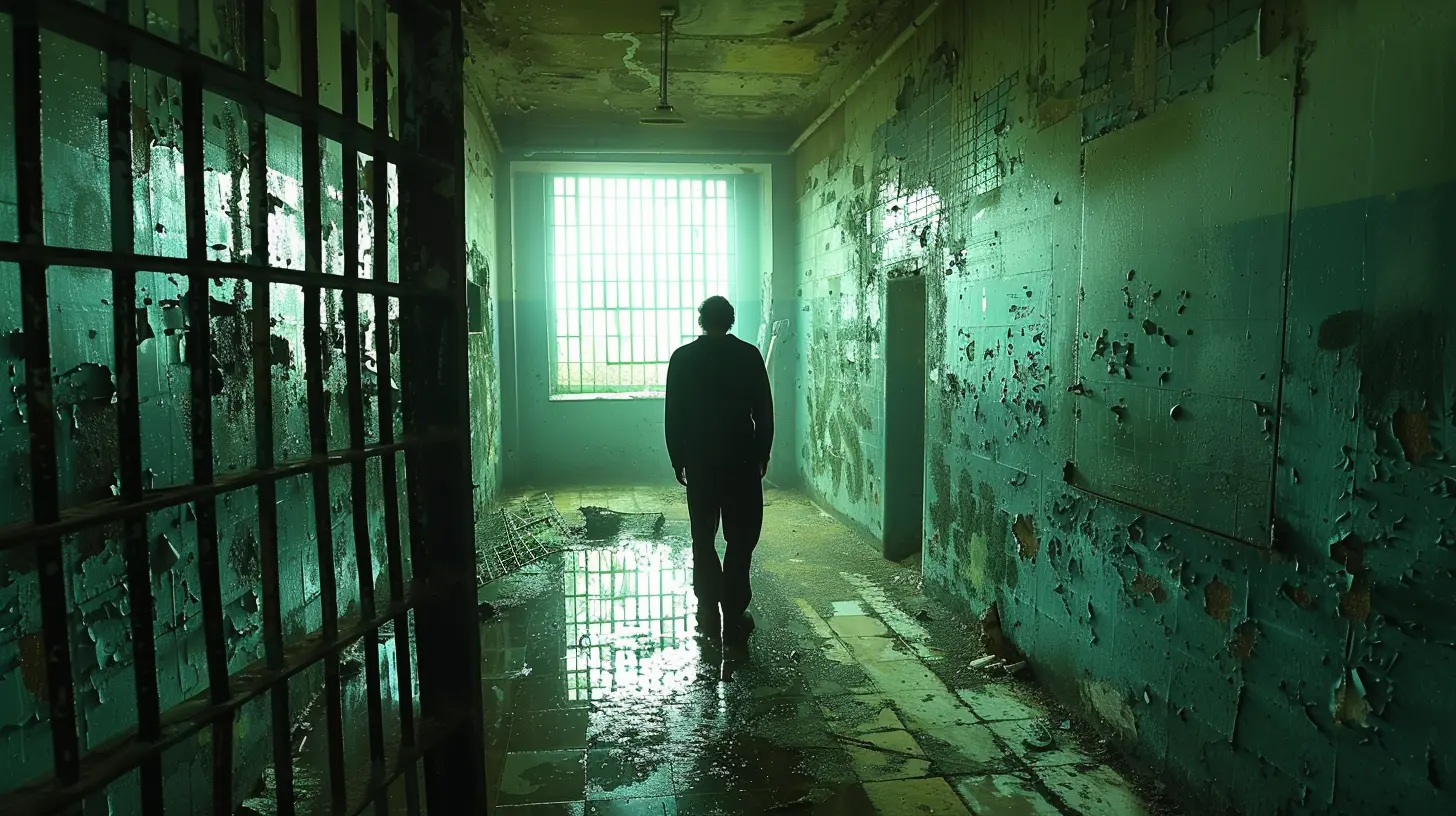
The Need for Change: A Better Approach
Clearly, locking up individuals with schizophrenia is not the solution. So, what can be done?1. Increased Access to Mental Health Care
Early diagnosis and treatment can prevent many individuals from encountering the criminal justice system in the first place. If mental health services were more widely available and affordable, fewer people with schizophrenia would end up in jail.2. Crisis Intervention Training for Law Enforcement
Police officers need better training to recognize and handle mental health crises. With the right approach, law enforcement can de-escalate situations and direct individuals to treatment, not jail cells.Some cities have implemented Crisis Intervention Teams (CIT), where officers are trained to respond to mental health emergencies. These programs have been highly effective in reducing unnecessary arrests and improving outcomes.
3. Mental Health Courts
Some communities have established mental health courts as an alternative to traditional courts. These specialized courts focus on treatment rather than punishment, offering individuals with schizophrenia the medical care they need instead of prison sentences.4. Decriminalization of Mental Illness
At its core, schizophrenia is a medical condition, not a crime. Society must shift towards treating mental illness with compassion and care, not punishment and incarceration. Instead of jails serving as de facto psychiatric hospitals, more funding should go into actual mental health facilities.Final Thoughts
The intersection of schizophrenia and the criminal justice system is a deeply troubling issue that highlights the failures in both mental health care and legal systems. Those struggling with this severe mental illness are often punished instead of receiving the help they desperately need.It’s time for a shift in how we handle mental health in society. By improving access to treatment, training law enforcement, and decriminalizing mental illness, we can break the cycle and create a system that treats individuals with schizophrenia with the dignity and care they deserve.
Because in the end, mental illness should never be a crime.
all images in this post were generated using AI tools
Category:
SchizophreniaAuthor:

Alexandra Butler
Discussion
rate this article
2 comments
Laila Hughes
Empathy and understanding can drive meaningful change!
March 4, 2026 at 5:34 AM
Alexandra Butler
Absolutely, empathy is crucial in addressing the complexities of schizophrenia within the justice system. It opens pathways for effective solutions.
Rusty Cain
Ah, the criminal justice system and mental health—like oil and water! Time to stop criminalizing illness and start prioritizing compassion. Let's give justice a makeover, one brain at a time!
February 16, 2026 at 5:54 AM
Alexandra Butler
Thank you for your insightful comment! I completely agree—transforming the approach to mental health within the criminal justice system is essential for fostering compassion and understanding.