Neuroscience of Emotion: How Feelings Shape Physical Health
12 August 2026
Welcome to the rollercoaster ride that is your brain — strap in, get cozy, and prepare to dive deep into the squishy gray matter that makes you cry during dog food commercials and sneeze when you’re nervous (okay, maybe not that last one, but wouldn’t it be cute?).
In all seriousness (but still keeping it fun!), let’s talk about something that matters more than how many likes you got on your last Instagram post — how your emotions, yes those fiery little creatures, are basically pulling the strings on your health like a bunch of sneaky puppet masters.
Let’s unpack the science of it all in a way that will not only make sense but actually stick — like glitter on a kindergarten art project.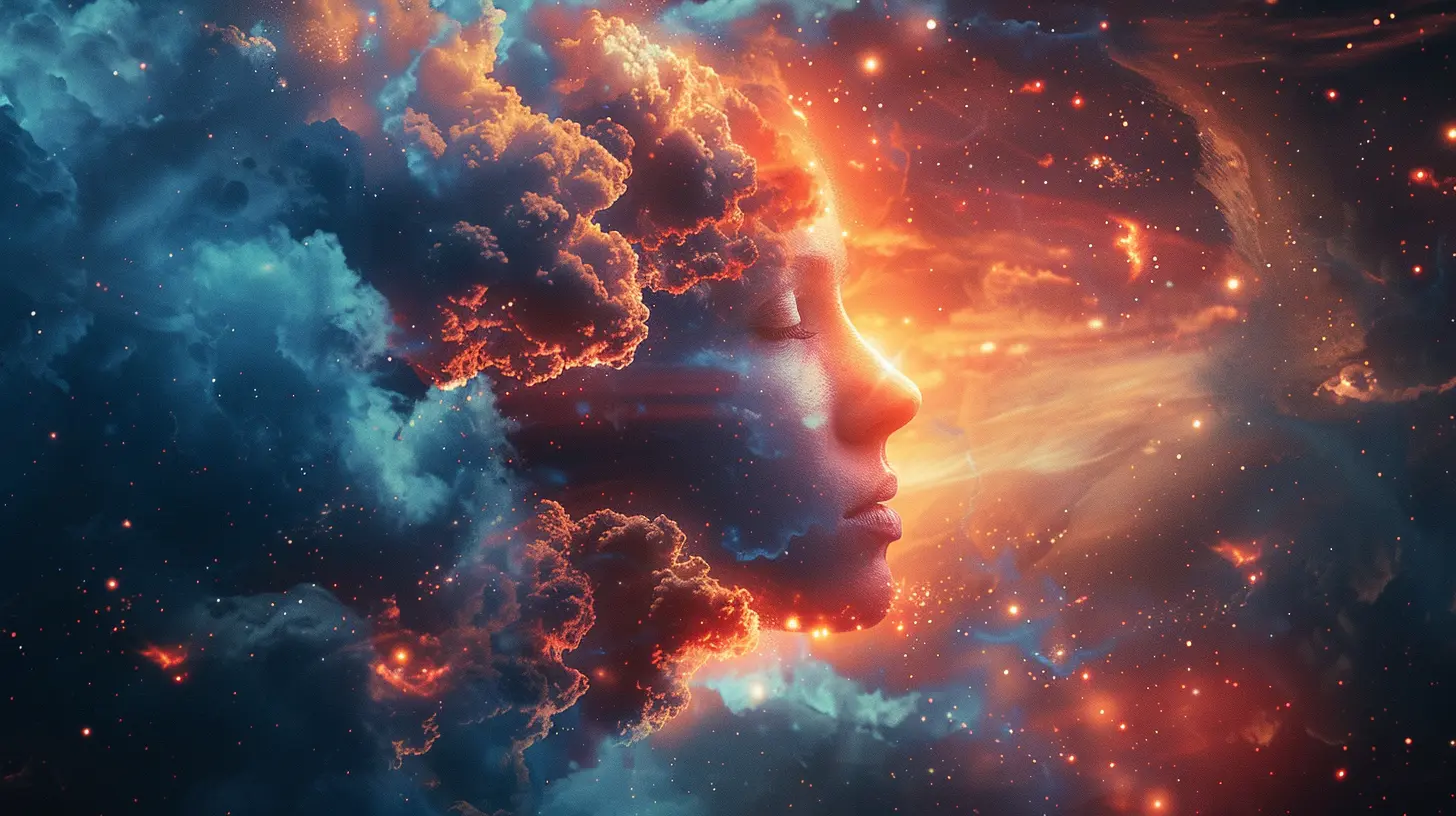
🎭 Emotions: Not Just for Soap Operas
Emotions. We all have 'em. Sometimes they crash in like an ex at a wedding — uninvited, overly dramatic, and totally stealing the spotlight. But emotions aren’t random; they’re actually pretty sophisticated signals coming directly from your brain's ancient command center.The Brain Behind the Feels
Let’s meet the Squad:- Amygdala – The drama queen. Handles fear, anger, and all things intense.
- Hippocampus – The elephant of the brain. Remembers that time in 3rd grade when you tripped in front of your crush.
- Prefrontal Cortex – The adult in the room. Tries (and sometimes fails) to keep things logical.
These key players operate like the Avengers of your emotional life, only with fewer cool costumes and more neurotransmitters.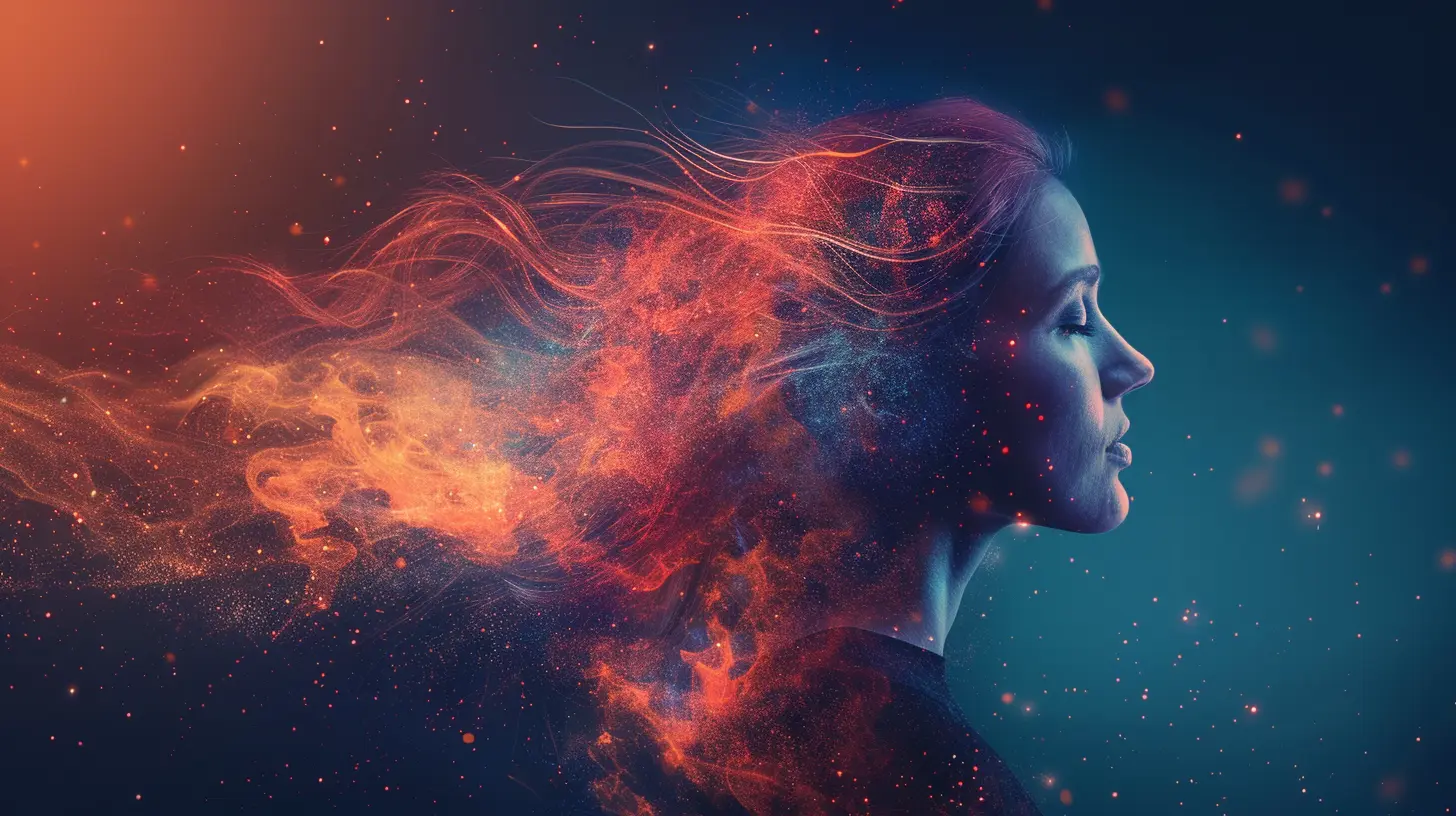
🧠 So… How Do Emotions Actually Work?
Think of emotions as emails your brain sends to the rest of your body. But instead of subject lines like “URGENT: TPS Reports,” you get bursts of adrenaline, racing heartbeats, and occasionally, a good cry to Adele.When you feel something — joy, sadness, anxiety, or pure rage because someone took your leftovers from the fridge — your brain releases chemicals like cortisol, dopamine, and serotonin. These bad boys don’t just mess with your mood; they trickle down and affect everything from your heart rate to your immune system.
So, basically, your body is a full-time emotional sponge. Soaking up whatever your brain is dishing out.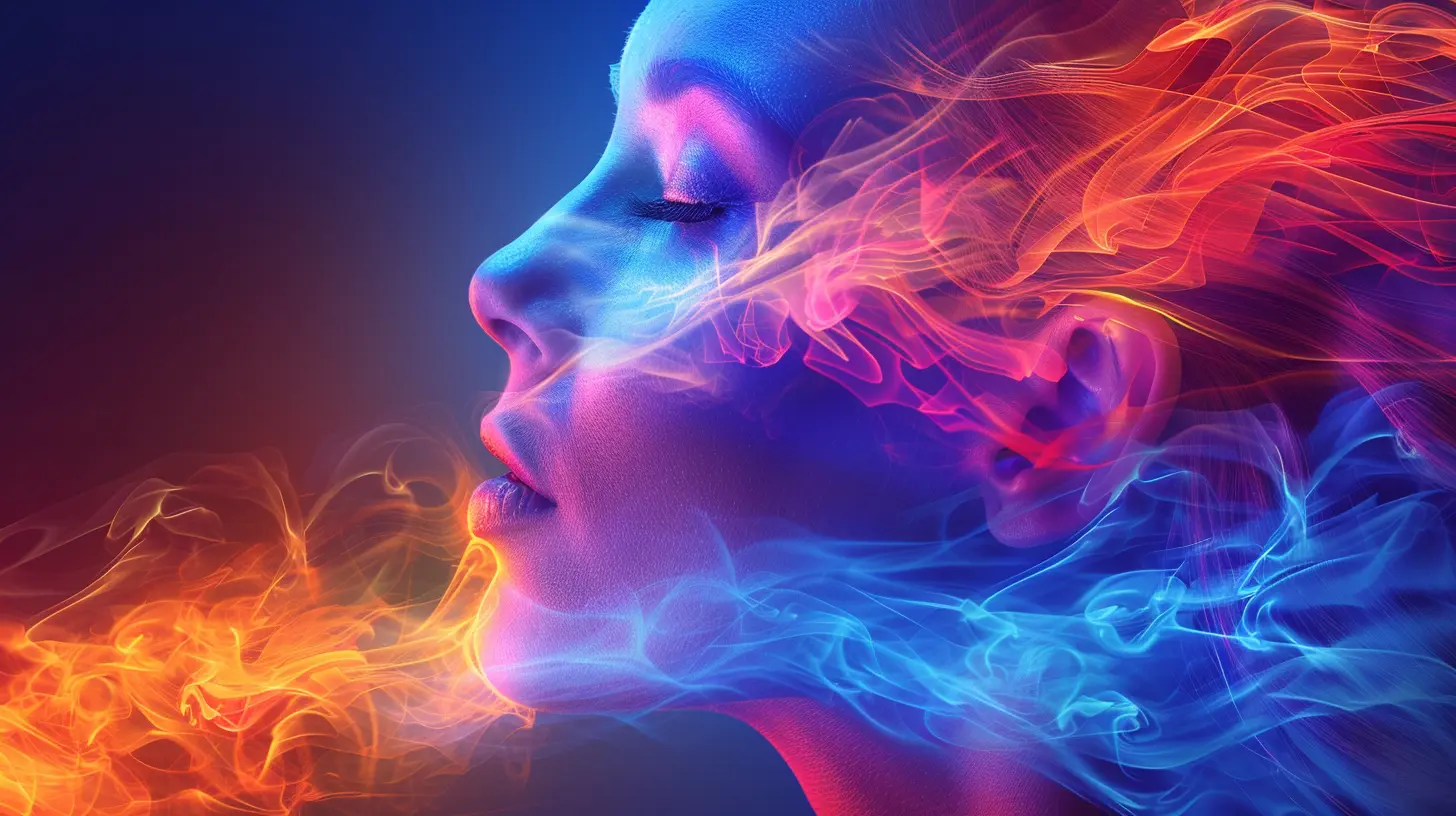
❤️ Emotions + Body = This Is Getting Serious
Now here’s where things get juicy.Stress: The Unwanted Party Guest
Let’s start with stress, shall we? Chronic stress is like keeping your foot on the gas pedal 24/7 — eventually, your car (that’s your body) will break down. When you’re constantly anxious, worried, or angry, your body pumps out cortisol like it’s on sale.Too much cortisol? Say hello to:
- High blood pressure
- Suppressed immune function
- Digestive issues
- Fatigue
- Looking ten years older than you are (yikes)
Stress isn’t bad in small doses. It’s your body’s way of saying "Hey! Pay attention!" But when it's your background music 24/7? That’s when problems start.
Depression: The Mood that Physically Hurts
Depression isn’t just feeling down — it can literally hurt. People with chronic depression often experience fatigue, appetite changes, and even physical pain. The brain's reward system malfunctions, kind of like Netflix buffering forever during your favorite show.Lack of serotonin and dopamine can mess with sleep, decrease immune function, and even increase inflammation. Yes, emotional pain is physical pain sometimes.
Anxiety: The Nervous Energy Nobody Asked For
If emotion were people, anxiety would be that friend who’s always “just checking in” but ends up giving you a full-blown panic attack. It floods your system with adrenaline and makes your heart race like it’s in a marathon – even though you’re just trying to pick a cereal in aisle 4.Long-term anxiety can mess with your digestive system (hello, ulcers), heart (increased risk of heart disease), and even your libido (sorry, not tonight brain says no).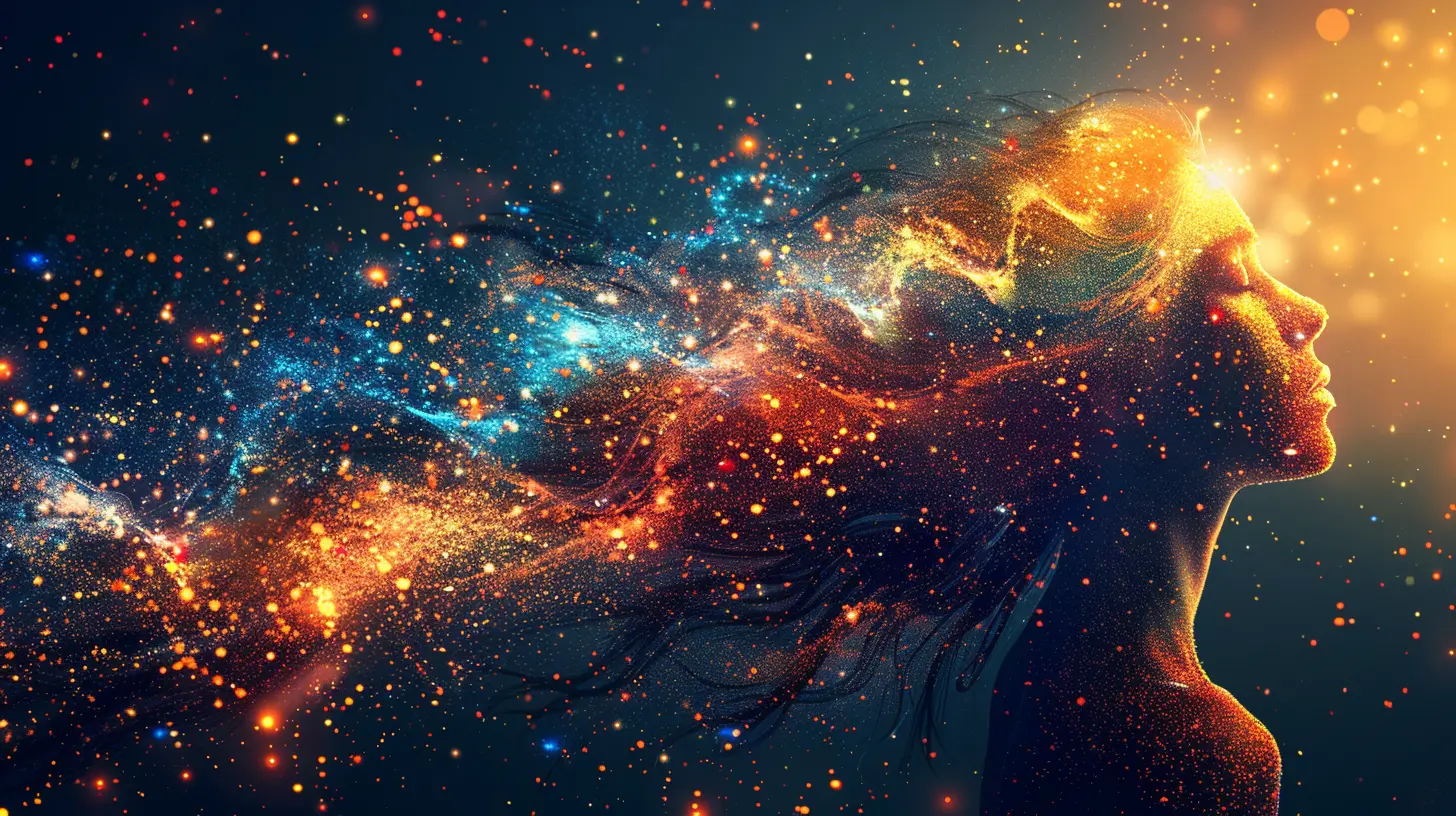
🧘♀️ Positive Vibes: Not Just Instagram Hashtags
Okay, enough doom and gloom — let’s turn the emotional page.Joy and Gratitude: Health Superfoods
Feeling happy? Practicing gratitude? Scientific studies show that positive emotions can lower blood pressure, improve your immune system, and even lengthen your lifespan.That rush of dopamine you get from hugging a friend or laughing at a meme? It doesn’t just make you feel good — it lowers inflammation and boosts healing. Yep, laughter really is medicine.
Love: The Hormonal Jackpot
Enter oxytocin, also known as the “love hormone.” Whether it’s from cuddling, bonding, or even petting your dog after a long day, oxytocin helps reduce stress, improve sleep, and promote healing. Best part? Zero calories.🧬 Your Emotions Can Change Your Genes (Yes, Really)
Okay, hold onto your frontal lobe because here's where it gets wild: your emotional state can influence gene expression.This fascinating field is called epigenetics, and it’s essentially the science of how behaviors and environment — like chronic stress or contentment — can turn genes on or off. It's like your genes are lights, and emotions are the mood lighting. Cozy, right?
People who live with chronic negativity don’t just feel bad; their bodies literally become more susceptible to illness. On the flip side, meditation, positive thinking, and even therapy can reverse negative gene expressions. Seriously, your DNA is listening.
🛋️ Therapy: Not Just for Overthinkers
Think of therapy as a brain spa. You go in all uptight, tangled, and emotionally greasy, and (if you do the work) you come out relaxed, untangled, and slightly greasy, but in a glowy way.Talking through emotions — instead of bottling them up like expired ketchup — actually changes the brain. Neuroplasticity, baby! That’s right: your brain can rewire itself based on experience. Therapy can help train the brain to respond differently to stressful or emotional situations. Like Jedi training, but with fewer robes.
🧪 Emotions and the Immune System: A Love-Hate Relationship
Feeling emotionally supported can boost your immune system. In fact, social connection and emotional well-being have been linked to:- Faster recovery from illness
- Lower inflammation
- Improved vaccine response (yes, your flu shot works better when you’re happy — who knew?)
Meanwhile, loneliness? It’s about as healthy as smoking 15 cigarettes a day. Really. So go ahead and call your bestie. It’s practically medicine.
📱 Emotions in the Digital Age: Emoji Exhaustion
Let’s take a moment to address the elephant in the group chat: social media. These platforms are emotion playgrounds, often leaving us hanging upside down by our anxieties while comparing ourselves to Karen’s perfect vacation in Bali.While connection is great, too much scrolling can lead to information overload, jealousy, and that weird feeling of being emotionally exhausted by 9 a.m. Digital emotions are real, folks — and they have a real impact on our physical state.
Do your brain a favor: take a break from the "highlight reel" and indulge in some real-life feels.
🧠 Mind-Body Hacks to Keep Your Emotions in Check
Alright, enough science. Let’s get practical. Here are some emotion-friendly mind-body hacks that benefit your physical health too:1. Breathe Like a Yoga Instructor
Deep breathing activates your parasympathetic nervous system. Translation: it calms the heck out of you.2. Move That Booty
Exercise releases endorphins — your body’s natural mood lifters. Plus, it burns off stress hormones like cortisol. Win-win.3. Get That REM Sleep
Quality sleep helps regulate emotional responses. Sleep-deprived people are emotionally... let’s say “creative”, which is just code for “unstable.”4. Put Down the Junk Food
Processed food inflames the gut. Since your gut is basically your “second brain,” more inflammation = more emotional drama.5. Laugh More
Watch that stand-up special. Rewatch The Office for the 87th time. It truly is therapeutic.🧘 The Final Brainwave
Here’s the deal: your emotions aren’t just background music to your life’s story — they’re the whole dang orchestra. Every mood, from elation to despair, triggers biological changes that ripple through your entire system like emotional butterfly effects.When you feel better emotionally, you function better physically. And when your physical health is thriving, your brain thanks you with more balanced, feel-good chemical cocktails.
So go ahead. Feel deeply, cry openly, laugh uncontrollably, and never — I mean never — underestimate the power of your emotions. They’re the real MVPs of your health.
all images in this post were generated using AI tools
Category:
Mind And Body ConnectionAuthor:

Alexandra Butler