How Your Thoughts Influence Your Physical Well-Being
18 May 2026
Ever heard the phrase "Mind over matter"? Well, what if I told you that your thoughts—those fleeting whispers in your head—actually have a huge impact on your physical health? Sounds like sci-fi, right? But science backs it up.
Your mind isn't just some passive observer; it's an active participant in shaping your well-being. The way you think, the emotions you nurture, and even the words you tell yourself can play a pivotal role in how your body feels and functions.
Let’s dive deep into the mysterious and fascinating connection between your thoughts and physical health.

The Mind-Body Connection: More Than Just A Myth
For centuries, people have believed that the mind and body are separate entities. But modern psychology and neuroscience tell a different story—one where your mental and physical states are intertwined like two dancers in perfect sync.Ever noticed how you feel exhausted after a stressful day, even if you didn’t do anything physically demanding? Or how chronic stress can bring about headaches, muscle tension, and even digestive issues? That’s the mind-body link in action.
Your brain isn’t just sitting there directing your thoughts; it’s constantly sending signals to the rest of your body. And depending on what’s going on in your mind, those signals can either promote health or cause harm.

The Science Behind Thoughts and Physical Health
Let’s get a little nerdy for a second—because science confirms that your thoughts aren't just abstract concepts; they trigger real biological processes.1. The Stress Response and Its Toll on the Body
Imagine you're walking through a dark alley and hear footsteps behind you. Instantly, your heart races, your breathing quickens, and your muscles tense. That’s your fight-or-flight response, a survival mechanism designed to protect you.But here’s the kicker—your body can’t differentiate between real danger and imagined stress. If you're constantly worrying about deadlines, finances, or personal issues, your brain keeps triggering that same stress response.
And chronic stress? It’s a silent destroyer. Increased cortisol levels (the stress hormone) weaken your immune system, increase inflammation, and pave the way for issues like high blood pressure, anxiety, and even heart disease.
2. The Placebo Effect: Proof That Thoughts Have Power
Ever taken a sugar pill, thinking it was real medicine, and somehow felt better? That’s the placebo effect—a fascinating phenomenon where just believing in a treatment can trigger actual physiological changes.Studies show that patients given placebo pills (thinking they were real drugs) experienced relief from pain, improved energy levels, and even better recovery rates. Why? Because their belief influenced their biology.
If positive expectations can heal, what do you think constant negative beliefs do? (Hint: The opposite.)
3. Neuroplasticity: Rewiring Your Brain for Better Health
Your brain isn't a rigid machine—it’s a flexible, ever-changing organ that adapts based on your experiences and thoughts. This ability, called neuroplasticity, means that the more you think a certain way, the stronger those neural pathways become.Think negatively all the time? Your brain gets wired that way, making it harder to break free from anxiety and stress. But the good news? You can reprogram your brain with intentional positive thinking—reshaping your mental habits and, in turn, improving your physical health.

Negative Thoughts: A Silent Saboteur of Your Health
Not all thoughts are created equal. Negative thinking, if left unchecked, can wreak havoc on your well-being.1. Chronic Worry and Its Physical Consequences
Worrying about things beyond your control might feel productive, but in reality, it’s just stress in disguise. Persistent worry keeps your body in a state of tension, leading to issues like:- Sleep disturbances
- Digestive problems
- Increased risk of heart disease
- Weakened immune system
Your body wasn’t designed to be in constant fight-or-flight mode, yet negative thinking keeps it trapped there.
2. Self-Criticism and Its Impact on Physical Health
Ever catch yourself saying things like “I’m not good enough” or “I’ll never succeed”? Harsh self-talk does more damage than you think.Studies show that self-criticism activates the body's stress response, increasing cortisol levels and weakening the immune system. It also raises the risk of mental health conditions like depression and anxiety, which in turn affect physical health.
3. The Connection Between Depression and Physical Illness
Depression isn’t just a mental health condition—it takes a physical toll, too. Chronic sadness and hopelessness have been linked to:- Increased inflammation (which contributes to diseases like arthritis and diabetes)
- Lower pain tolerance
- Fatigue and chronic pain
- Higher risk of heart disease
Your emotions don’t just stay in your head. They manifest physically, whether you realize it or not.
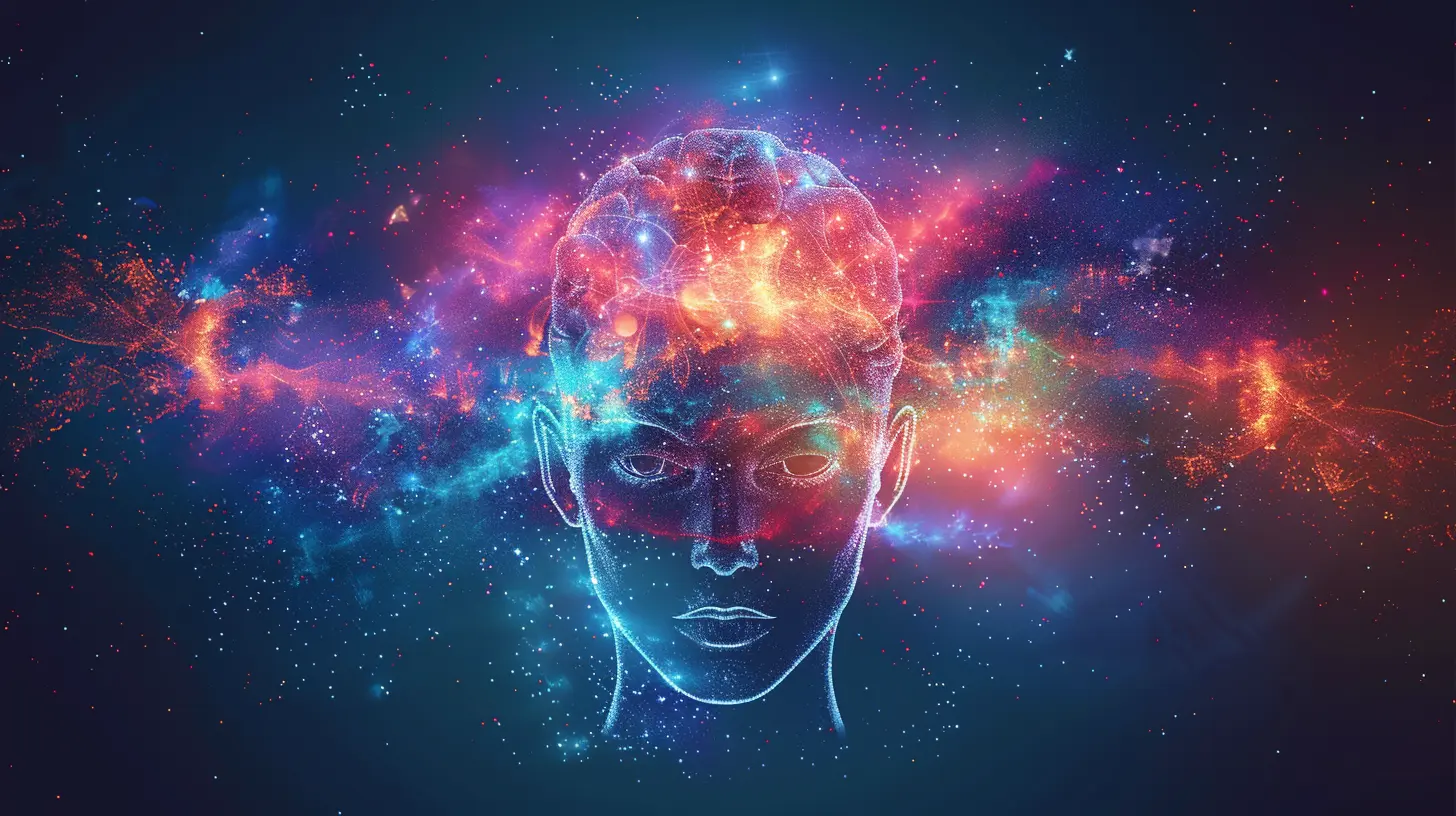
Harnessing the Power of Positive Thinking for Better Health
If negative thoughts harm your body, guess what positive thoughts can do? They can heal, strengthen, and improve your overall well-being. Here’s how:1. Practice Gratitude Daily
Gratitude isn't just a feel-good exercise. Studies show that grateful people have:- Lower stress levels
- Stronger immune systems
- Better heart health
- Improved sleep quality
Before bed, jot down three things you're grateful for. It might sound simple, but over time, it rewires your brain for positivity.
2. Reframe Negative Thoughts
Caught in a spiral of negative thinking? Challenge it. Instead of “I always mess up”, try “I made a mistake, but I’ll learn from it.” Words matter—especially the ones you tell yourself.3. Meditate for a Healthier Mind and Body
Meditation isn't just hippie nonsense; it’s scientifically proven to reduce stress, lower blood pressure, and improve overall well-being. Even just 5 minutes a day can make a difference.4. Use Positive Affirmations
What you repeatedly tell yourself becomes your reality. Instead of feeding your mind negativity, start the day with statements like:- “I am strong and healthy.”
- “My mind and body work in harmony.”
- “Every day, I’m becoming healthier and happier.”
It might feel silly at first, but over time, these affirmations can reshape your mental and physical state.
Final Thoughts
Your thoughts are more powerful than you realize. They’re not just passing clouds in your head—they are active forces shaping your reality, influencing your body, and determining your well-being.So, the next time you catch yourself drowning in negativity, ask yourself: “Is this thought helping or harming me?” Because whether you believe it or not, your mind is always listening—and your body is always responding.
all images in this post were generated using AI tools
Category:
Mind And Body ConnectionAuthor:

Alexandra Butler
Discussion
rate this article
1 comments
Storm Mercado
Your mindset shapes your reality; harness it for better health and vitality.
June 19, 2026 at 4:22 AM