How Trauma Alters Brain Function and Emotional Response
4 February 2026
Trauma is a word that carries a lot of weight. It’s not just about painful memories; it’s about how those experiences reshape the brain and influence emotions. If you've ever wondered why certain situations trigger intense responses or why some people struggle with emotional regulation, it's often because trauma has rewired their brain.
But how exactly does trauma do this? And what can be done to regain control? Let’s break it down in a way that makes sense without diving too deep into scientific jargon. 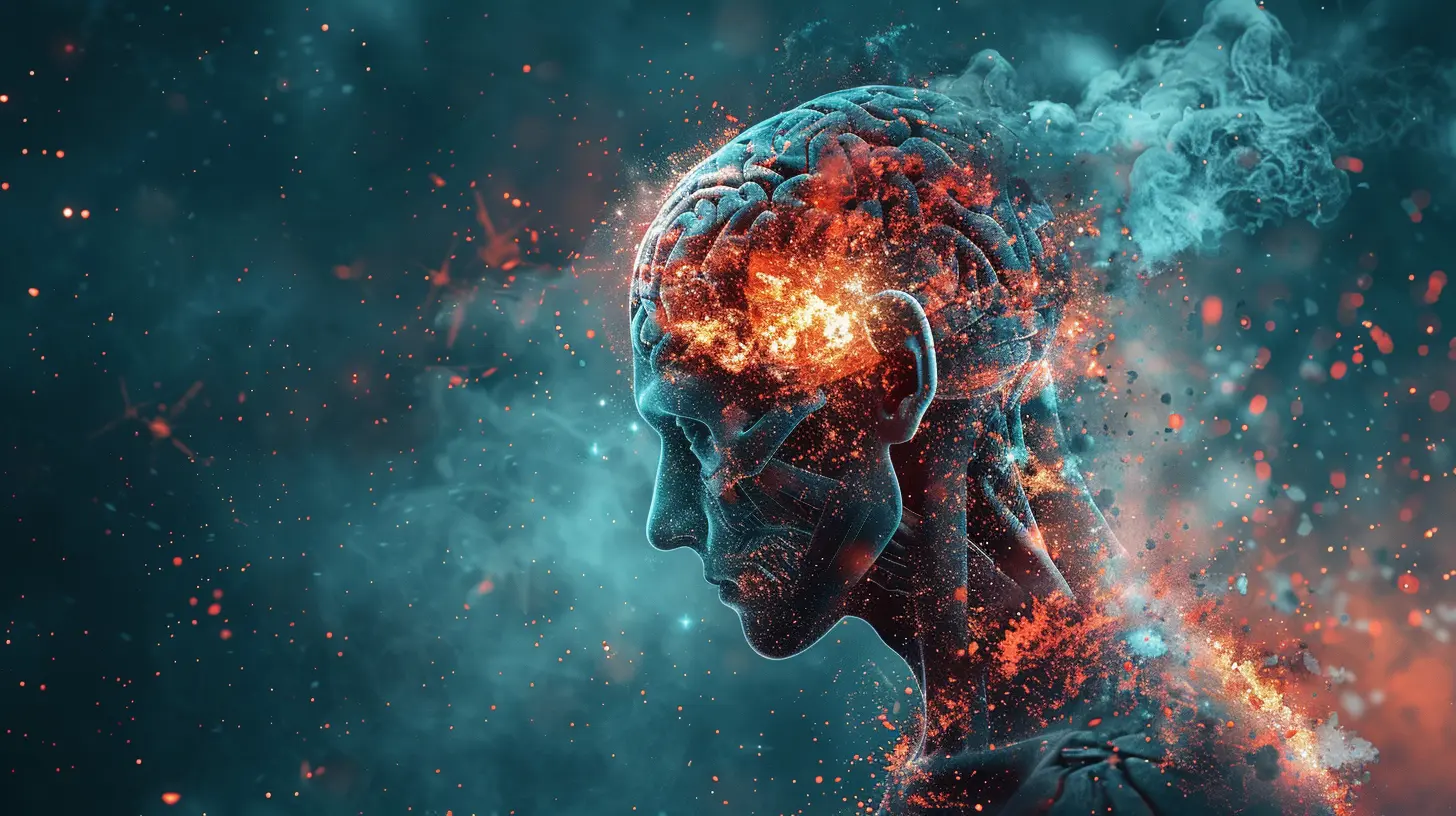
The Brain’s Response to Trauma
The brain is like a command center, constantly processing information and keeping us safe. When something traumatic happens, it throws this entire system into chaos. Instead of calmly assessing situations, the brain shifts into survival mode. This means heightened alertness, defensive reactions, and often, long-term changes in how a person thinks and feels.
Key Areas of the Brain Affected by Trauma
Trauma doesn’t just affect emotions; it leaves a mark on the brain’s structure and function. Three main areas take the biggest hit:1. The Amygdala – The Fear Factory
The amygdala is responsible for processing emotions, especially fear. When someone experiences trauma, this small almond-shaped part of the brain goes into overdrive.- It becomes hypersensitive, meaning even minor stressors can trigger intense fear or panic.
- It stores traumatic memories in a way that can make them feel as real as the day they happened.
- It can lead to hypervigilance—always being on edge, scanning for threats, even in safe situations.
Imagine your amygdala as a smoke alarm. After trauma, it starts detecting danger everywhere, even where there is none.
2. The Hippocampus – The Memory Keeper
The hippocampus helps with memory and distinguishing between past and present events. Trauma messes with this ability, making it harder to process memories properly.- People with trauma often have fragmented or distorted memories of their experiences.
- Flashbacks and intrusive thoughts can feel as if the traumatic event is happening all over again.
- The hippocampus also shrinks after prolonged trauma, making it harder to regulate emotions and recall details correctly.
In simple terms, trauma scrambles memories like a badly shuffled deck of cards.
3. The Prefrontal Cortex – The Rational Thinker
This part of the brain is responsible for reasoning, impulse control, and emotional regulation. Unfortunately, trauma weakens this area, making it harder to think clearly in stressful situations.- Decision-making becomes clouded by intense emotions.
- Managing fear and anger becomes more difficult.
- Overreacting to minor issues becomes commonplace.
Think of the prefrontal cortex as the brain’s “brakes.” Trauma makes it harder to hit those brakes when emotions start spinning out of control. 
Emotional Responses to Trauma
Because trauma alters brain function, emotional responses can become unpredictable and intense. Many people struggle with overwhelming emotions, even when they logically know a situation isn’t dangerous. Here are some common emotional effects:1. Anxiety and Hypervigilance
Many trauma survivors feel like they’re constantly on high alert, scanning for potential threats. This isn’t paranoia—it’s the brain’s way of trying to prevent another painful experience.People may find it hard to relax or trust others. Even something as simple as a loud noise or a familiar scent can trigger anxiety because the brain has been wired to associate certain stimuli with danger.
2. Emotional Numbing
On the flip side, some individuals experience emotional numbness. Instead of overwhelming feelings, they may feel nothing at all—disconnected from themselves and others.It’s like the brain decides, “Feeling too much is dangerous, so let’s just shut everything down.” While this might seem like a useful defense mechanism, it can lead to difficulties in relationships and daily life.
3. Mood Swings and Irritability
Because trauma disrupts emotional regulation, mood swings become a common struggle. One moment, everything might feel fine; the next, there’s an outburst of anger or an overwhelming sense of sadness.Small stressors that wouldn’t normally be a problem can suddenly feel unbearable. This is because the emotional centers of the brain remain overactive while the regulatory centers are weakened.
4. Dissociation and Feeling “Unreal”
Some trauma survivors experience dissociation, a feeling of being detached from reality. It’s as if they’re watching their life from the outside or feeling like they’re not fully present.This is the brain’s way of creating distance from pain, almost like an emergency escape hatch. While it can provide temporary relief, chronic dissociation can make it hard to function in everyday life. 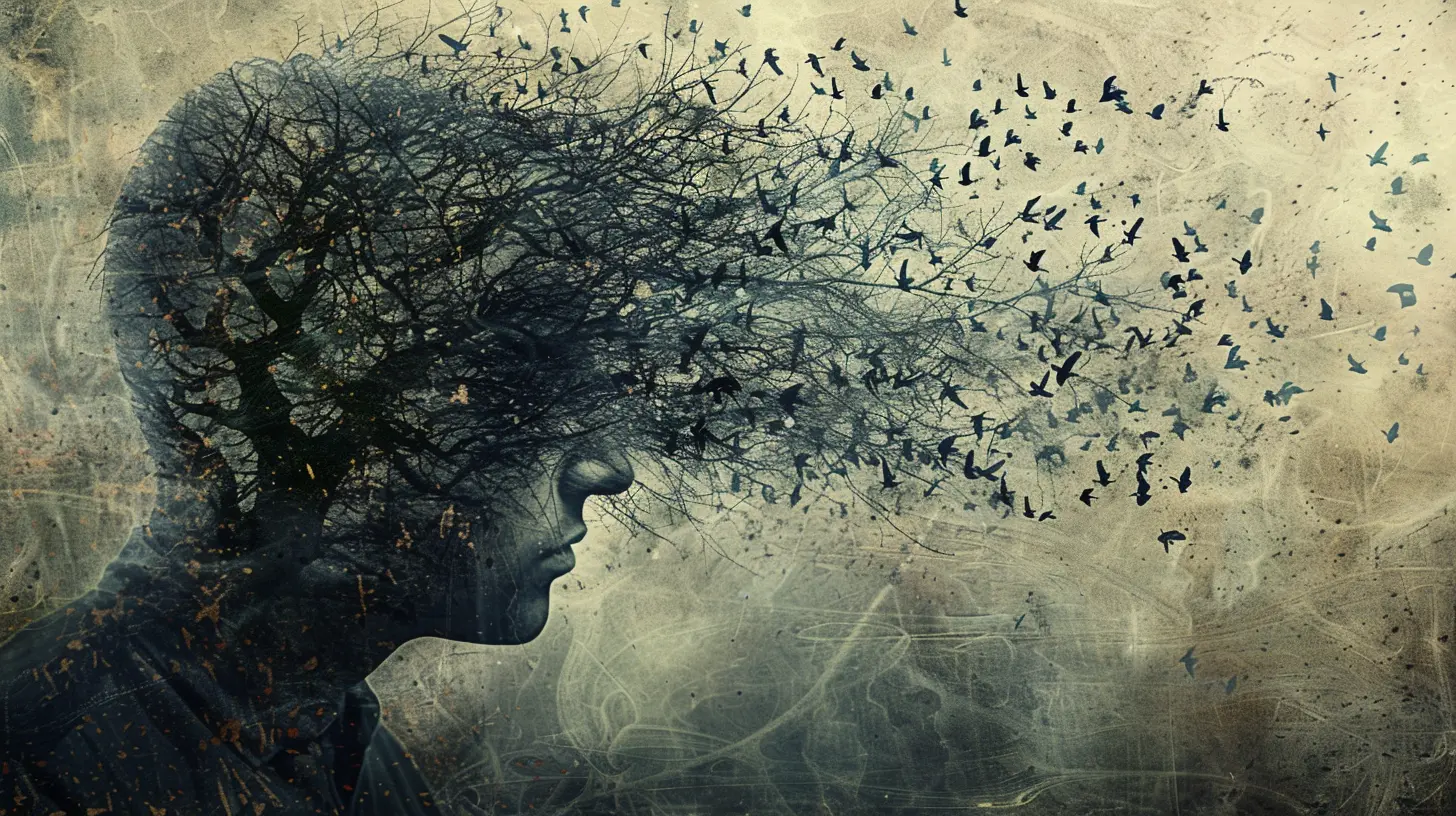
Can the Brain Heal from Trauma?
Yes, absolutely. The brain is incredibly resilient, and with the right support, healing is possible. While trauma might leave lasting changes, it doesn’t have to define a person forever. Here’s how:1. Therapy – Rewiring the Brain
Therapies like Cognitive Behavioral Therapy (CBT) and Eye Movement Desensitization and Reprocessing (EMDR) have been shown to help rewire trauma-affected brains.- CBT helps people challenge negative thought patterns and develop healthier coping strategies.
- EMDR helps process traumatic memories so they no longer feel like a fresh wound.
Therapy provides a structured way to retrain the brain, allowing for healthier emotional responses.
2. Mindfulness and Meditation
Practices like mindfulness help activate the prefrontal cortex, improving emotional regulation. Simple techniques such as deep breathing, meditation, and grounding exercises can help calm an overactive nervous system.Meditation isn’t just about sitting in silence—it’s about retraining the brain to focus on the present rather than past trauma.
3. Physical Activity and Movement
Exercise plays a massive role in brain recovery. Activities like yoga, martial arts, or even daily walks can help:- Reduce stress hormones
- Improve mood
- Strengthen neural connections that aid emotional regulation
Moving your body is like resetting your brain’s internal wiring—it helps break the cycle of hypervigilance and stress.
4. Building Supportive Relationships
Healing from trauma isn’t something a person has to do alone. Having supportive relationships—whether with friends, family, or a therapist—can significantly aid recovery.Healthy connections help the brain relearn trust and safety, counteracting the effects of trauma.
5. Sleep and Nutrition
The brain heals best when it’s well-rested and properly fueled. Prioritizing sleep, eating a balanced diet, and minimizing stimulants like caffeine can help support brain function.Think of it as giving your brain the right tools to rebuild itself.
Final Thoughts
Trauma is more than just an emotional wound—it physically changes the brain’s structure and function. But while these changes can feel overwhelming, the good news is that healing is possible. The human brain is adaptable, and with the right tools—therapy, mindfulness, exercise, and supportive relationships—people can retrain their brains to respond to life in a healthier way.If you or someone you know is struggling with trauma, remember this: your brain is capable of change, and recovery is within reach. You are not stuck in your past.
all images in this post were generated using AI tools
Category:
Psychological ResearchAuthor:

Alexandra Butler
Discussion
rate this article
2 comments
Anisa Ford
Trauma might feel like a foggy cloud hanging over our brains, but understanding its effects can help us find the sun! Let’s explore the wild world of emotions together and discover our inner superheroes. 🌈🦸♀️🧠
March 1, 2026 at 4:16 PM
Alexandra Butler
I love that imagery! Recognizing trauma's impact is a crucial step toward healing. Let's shine a light on those emotions and uncover our strengths together.
Olivia Weber
This article beautifully captures the profound impact trauma can have on our brains and emotions. It's a gentle reminder that understanding these changes is a crucial step towards healing. Thank you for shedding light on such an important topic!
February 7, 2026 at 4:47 PM
Alexandra Butler
Thank you for your thoughtful comment! I'm glad the article resonated with you and highlighted the importance of understanding trauma's effects.