How to Recognize and Break Toxic Relationship Cycles
8 February 2026
Let’s be real—relationships are complicated. They're like emotional rollercoasters with thrilling highs and stomach-churning lows. Sometimes, though, those lows stick around way too long. If you’ve ever found yourself stuck in a relationship that feels more draining than loving, you might be caught in a toxic cycle.
But here’s the good news—you can break free. It starts with awareness and a pinch of courage. So, let’s walk through how to recognize these toxic patterns and, more importantly, how to stop repeating them.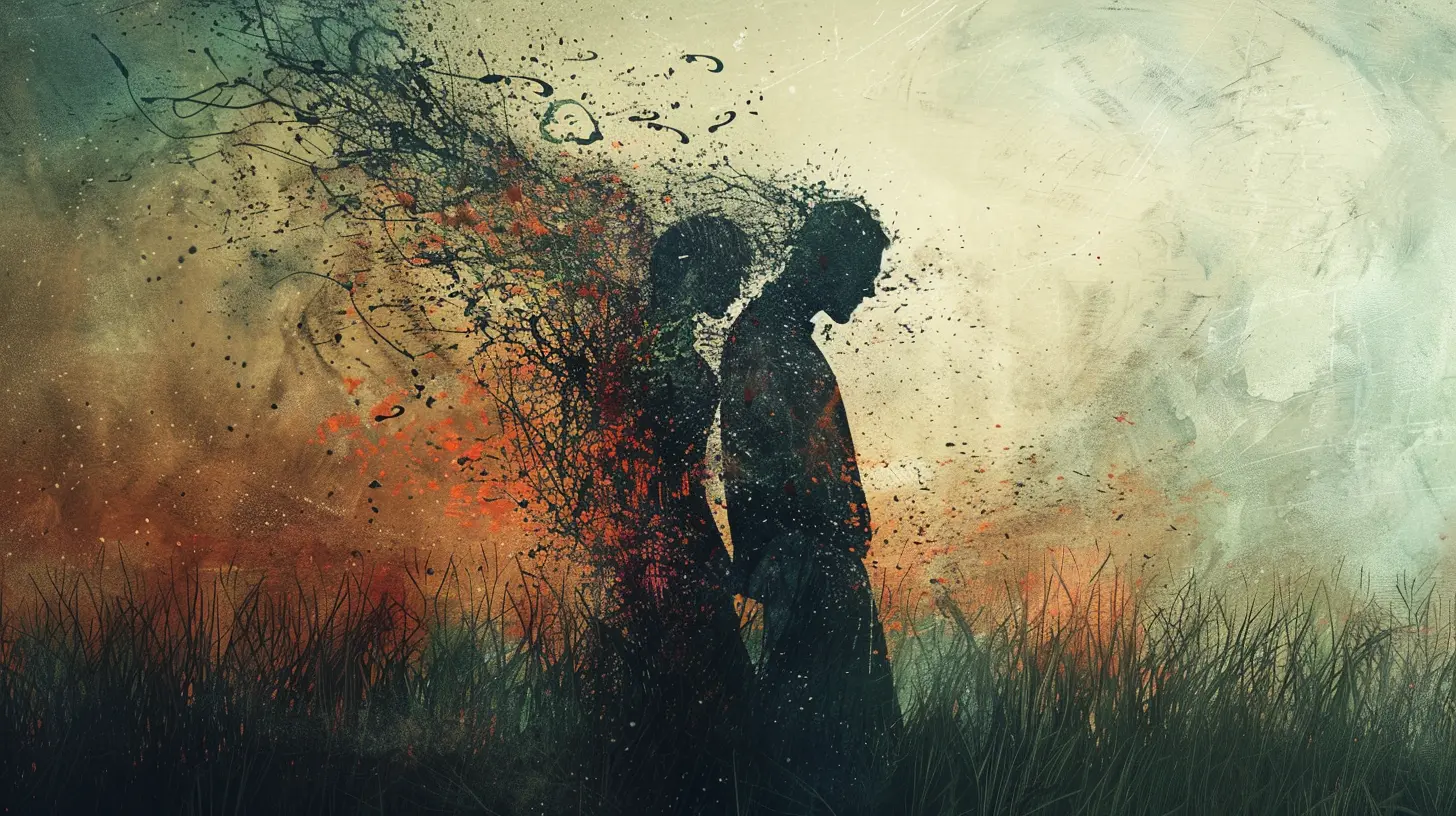
What Exactly Is a Toxic Relationship Cycle?
Imagine you're on a hamster wheel—you keep running, putting in effort, hoping to move forward… but you’re stuck. That’s what a toxic relationship cycle feels like.It’s a recurring pattern of behavior where both partners (or even just one) engage in unhealthy emotional dynamics. Think manipulation, control, constant arguments, silent treatments, jealousy, or even excessive neediness. The cycle often swings between temporary peace and emotional chaos, leaving you confused, hurt, and emotionally exhausted.
Why Is It So Hard to Break the Cycle?
Well, our brains are wired to seek comfort—even when that comfort is harmful. Familiarity can trick us into thinking it’s safe. Plus, emotional bonds (even unhealthy ones) are strong. Add a dash of hope (“Maybe it’ll be different this time”) and a sprinkle of fear (“What if I never find anyone else?”) and voilà—you’re back on the hamster wheel.
The 5 Red Flags That Signal a Toxic Relationship
So how can you tell if you’re actually in a toxic cycle? Let’s decode some of the most common signs.1. The “Highs and Lows” Feel Like a Drug
Feeling like you're on cloud nine one week and crying your eyes out the next? That emotional whiplash is classic. These highs and lows keep you addicted to the relationship—you chase the highs and tolerate the lows, thinking it’s “just a rough patch.”2. You Walk on Eggs Around Them
Are you constantly filtering your words, avoiding certain topics because you’re scared of their reaction? That kind of tension eats away at your self-esteem. A healthy connection shouldn't feel like a minefield.3. You're Losing Your Sense of Self
If you're always pleasing them, adapting to their moods, and sacrificing your own needs, warning bells should be ringing. Relationships should make you more you, not less.4. They Gaslight You
Gaslighting is when someone manipulates you into doubting your reality. If you’re starting to question your memory, feelings, or sanity, you're possibly being gaslit—and that's a major red flag.5. You Keep Breaking Up & Getting Back Together
On-again, off-again relationships may seem romantic in movies, but in real life? They often signal unresolved issues and patterns. If things always fall apart in the same way, congratulations—you’ve just spotted a toxic cycle.
The Psychological Roots of Toxic Cycles
Let’s dig a little deeper. Why do smart, emotionally aware people still fall into these patterns?Attachment Styles: The Ghosts from Childhood
How you bonded with your caregivers as a child often sets the stage for how you connect with partners later in life.- Anxious attachment: You crave closeness but fear abandonment, so you over-give.
- Avoidant attachment: You fear intimacy, so you pull away.
- Anxious-avoidant pairing: Hello, fireworks! But also, emotional chaos.
Understanding your attachment style is like finding the cheat code to your relationship behavior.
Trauma Bonding: The Deep Emotional Addiction
This is a tough one. Trauma bonds form when pain and love get tangled together. You feel intensely connected to someone who hurts you because your brain starts linking suffering with affection. It’s not love—it’s survival mode in disguise.
How to Break the Cycle (Even If You're Still in It)
Now, for the part that really matters—how to break free from the loop. Spoiler: it’s not easy, but it is absolutely possible.1. Acknowledge the Pattern
First, get brutally honest with yourself. Grab a journal. Write down the timeline of your relationship and notice the patterns. Do certain arguments keep replaying like a broken record? That awareness is the first crack in the cycle.2. Detach Emotionally (Before Physically)
You don’t always have to leave immediately. Sometimes, emotional detachment is the best first step. Start reclaiming pieces of yourself—your hobbies, your thoughts, your boundaries.Think of it like weaning off caffeine. You don’t just toss away your coffee machine; you slowly reduce your intake.
3. Set and Reinforce Boundaries
Draw a line in the sand, and don’t let anyone cross it. Whether it’s how they speak to you, how much access they have to your time, or how they treat your emotions—set limits. Then stand by them.Spoiler: people who benefit from your lack of boundaries won’t clap when you finally get some.
4. Stop Justifying Bad Behavior
If you find yourself saying, “They didn’t mean it,” or “They’re just going through a tough time,” press pause. Everyone has bad days, sure—but consistent toxic behavior is a choice. Compassion shouldn't come at the cost of your peace.5. Lean on Your Support System
Tell your friends. Talk to that one friend who always tells it like it is. Seek therapy if you can. Isolation is the breeding ground for toxic cycles. Community brings perspective and strength.6. Reconnect with Yourself
You’ve probably been focusing so much on the other person that you’ve lost touch with you. What makes you laugh? When do you feel most alive? What are your goals outside this relationship? Rebuilding your identity is key.7. Cut Contact (If Necessary)
Sometimes, the only way to truly break the cycle is to go no contact. It’s like ripping off a bandage—it stings at first, but then healing can begin. Block the number. Unfollow on socials. Create space for peace.Healing After a Toxic Relationship
Congratulations—if you’re reading this part, you’re either free from the cycle or genuinely committed to getting there.Now comes the part people often skip: healing.
Give Yourself Permission to Grieve
Even if it was toxic, it was still a connection. Let yourself feel the loss. Cry if you need to. Mourn the version of you that accepted less than you deserved.Forgive Yourself
We all make mistakes in love. Don’t beat yourself up for not leaving sooner or for ignoring red flags. Hindsight is 20/20, and you did the best you could with what you knew at the time.Invest in Self-Growth
Read books. Go to therapy. Try journaling. Practice mindfulness. The more you understand yourself, the less likely you’ll repeat old patterns.Raise Your Standards
Healing isn't just about avoiding bad relationships—it’s about choosing better ones in the future. Demand kindness. Expect respect. Don’t settle for emotional breadcrumbs when you deserve the whole meal.You Deserve Healthy Love
Let’s be 100% clear: You are not too sensitive, dramatic, or needy. You're human—and humans crave love, safety, and connection. A toxic relationship doesn’t define your worth; it just shows you what you no longer want.Breaking the cycle takes guts. It’s messy. It requires looking inward, calling yourself out, and making hard decisions. But trust me, once you get to the other side, you’ll look back and wonder why you ever tolerated less.
And hey, if this article feels like it's speaking directly to your soul—that’s not an accident. Maybe, just maybe, it’s your turning point.
Frequently Asked Questions (FAQs)
Q: Can a toxic relationship be fixed?
A: Sometimes, yes—but only if both people are equally committed to change and willing to do the hard emotional work (think couples therapy, individual growth, better communication). If one person is dragging their feet? Not gonna happen.Q: How do you know if you're the toxic one?
A: Great question. Self-reflection is key. If you notice patterns of control, manipulation, or emotional outbursts, it might be worth exploring your own behavior with a therapist. It’s not about shame—it’s about growth.Q: Is going back always a bad idea?
A: If the core issues haven’t changed, going back is just hitting the replay button. Unless there’s clear effort, accountability, and visible change, it’s probably best to move forward.all images in this post were generated using AI tools
Category:
RelationshipsAuthor:

Alexandra Butler
Discussion
rate this article
2 comments
Thistle Lambert
Awareness is the first step; change begins when you refuse to repeat the past.
March 2, 2026 at 4:10 PM
Alexandra Butler
Absolutely! Acknowledging toxic patterns is crucial; true change happens when we actively choose healthier paths.
Annabelle Warren
What a fantastic article! 😊 Recognizing and breaking toxic relationship cycles is such an empowering journey. Your insightful tips and uplifting tone make this topic approachable and hopeful! Here’s to healthier connections and happier lives—let’s embrace positive change together! 🌟
February 8, 2026 at 3:33 PM
Alexandra Butler
Thank you so much for your kind words! I'm glad you found the article helpful. Here's to positive change and healthier connections for us all!