How to Develop Emotional Intelligence in Children and Teens
27 February 2026
Ever tried understanding why your child throws a tantrum over seemingly small things? Or why your teen shuts down when emotions simmer? You’re not alone. Being a parent or caregiver is a rollercoaster of emotions — theirs and yours. But what if I told you there’s one skill that could dramatically improve your child’s behavior, relationships, and even academic success? Yep, it’s called Emotional Intelligence (EI), and it’s every bit as important—if not more—than IQ.
So, what exactly is emotional intelligence, and how do we help kids and teens develop it in a world that’s already emotionally overwhelming?
This guide dives deep into the heart of EI and gives you simple, relatable, and practical ways to nurture it in the young minds you care about most.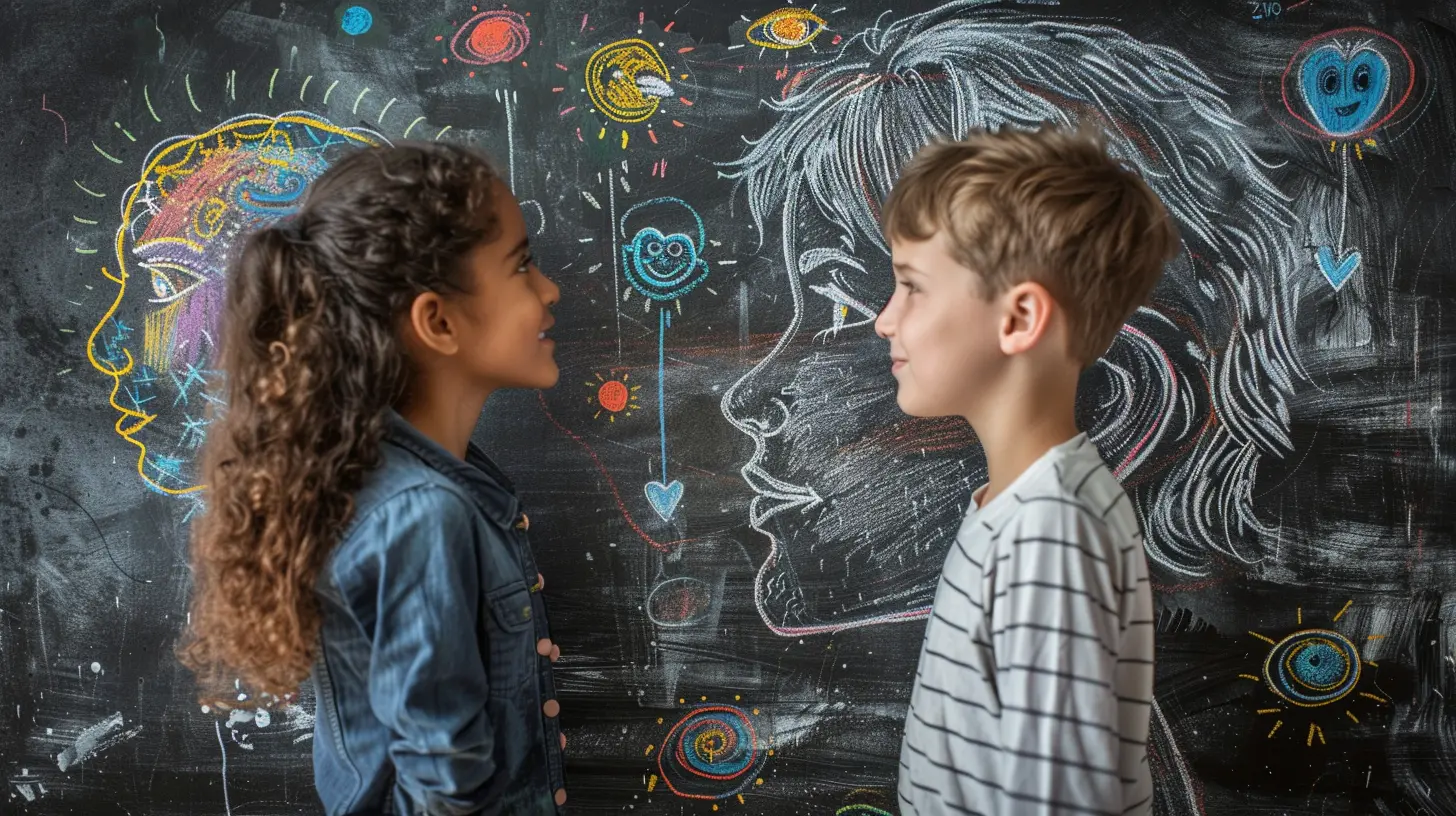
What Is Emotional Intelligence Anyway?
Think of emotional intelligence as your internal GPS for feelings. It helps you recognize, understand, and manage your own emotions while also being able to sense what others feel and respond appropriately.According to psychologist Daniel Goleman, the guru of EI, it’s made up of five key components:
1. Self-awareness
2. Self-regulation
3. Motivation
4. Empathy
5. Social skills
Kids with emotional intelligence don’t just avoid meltdowns; they cope, communicate, and connect far better than their peers. And the best part? It can be taught.
Why Emotional Intelligence Matters More Than Ever
Let’s face it: The world is more emotionally complex than ever before. Social media, academic pressures, global crises — it’s a lot to process, even for us adults!Now picture a 12-year-old trying to sift through that chaos without the emotional tools to navigate it. Scary, right?
Emotional intelligence helps kids and teens:
- Handle stress in healthy ways
- Resolve conflicts peacefully
- Build stronger relationships
- Make better decisions
- Perform better in school and work environments
In fact, studies show that EI is a better predictor of success than IQ or technical skills. So, teaching it early is like giving your kid a superpower.
Start With Self-Awareness: Name That Feeling
Remember the last time you were grumpy and didn’t know why? Imagine how confusing that is for a 6-year-old. Self-awareness begins with helping children recognize and label their emotions.How to Teach It
- Name Emotions Out Loud: When your child is upset or excited, say, “You look really frustrated right now,” or “You seem proud of that drawing.” This helps them connect physical signals with emotional vocabulary.- Use an 'Emotion Thermometer': Create a scale from 1 to 10 to measure emotional intensity. You can ask, “Are you at a 3 or a 7 right now with your anger?”
- Mirror Their Feelings: Show empathy without fixing. “I understand why you feel anxious. This is a big deal.”
The goal isn’t to stop the emotion but to help them identify and accept it. Recognition is the first step toward regulation.
Then Comes Self-Regulation: Feel, Don’t Flip
We all want our kids to be calm under pressure. But let’s be honest — how often do we get it right ourselves?Self-regulation is the ability to manage emotions so they don’t take the driver’s seat.
Practical Tips
- Teach Breathing Techniques: Deep belly breathing isn’t just for yoga. Try “smell the flower, blow out the candle” as a child-friendly method.- Create a Calming Corner: Replace time-outs with a soothing space filled with sensory items, books, or calming music.
- Model It: When you lose your cool (because, yes, we all do), narrate your recovery. “I was really angry, so I took a few breaths to calm down before answering.”
Your child is your mirror. If you show emotional control, they’ll learn to tune their emotional dials too.
Motivation: The Fuel Behind Good Choices
Ever wonder what helps kids stay focused, even when things get tough? That’s intrinsic motivation — doing something for personal satisfaction rather than external rewards.How to Foster It
- Set Realistic Goals: Break down tasks into manageable chunks. Celebrate progress, not perfection.- Praise Effort, Not Just Results: Instead of “You’re so smart,” try “I’m proud of how hard you worked on that problem.”
- Let Them Face Challenges: Don’t rush to rescue them every time they struggle. Let them wrestle with the problem — that’s where growth lives.
Motivation isn’t just about sticker charts. It’s about building grit and resilience.
The Power of Empathy: Feeling With, Not Just For
Empathy is often the hardest but most powerful aspect of emotional intelligence. It’s the bridge that connects us to others.How to Nurture It
- Story Time With a Twist: After reading a book, ask, “How do you think the character felt?” or “What would you do in that situation?”- Role Play: Use dolls, puppets, or imagination to act out scenarios involving different feelings and perspectives.
- Teach Them to Listen: Encourage full attention when others speak. No interruptions, no eye-rolling — just listening.
Empathy doesn’t always come naturally, but with consistent practice, it becomes part of their emotional toolkit.
Social Skills: Connecting the Dots
Emotional intelligence without social skills is like knowing how to drive but never leaving the garage. Kids need to practice their EI in the real world.Build Their Social Smarts
- Teach Conflict Resolution: Show them how to use “I” statements like, “I feel left out when you don’t include me.”- Play Group Games: Board games, team sports, or collaborative puzzles teach cooperation, patience, and fair play.
- Encourage Open Communication: Regularly ask about their day, their friendships, and their feelings about events. Make emotional sharing a habit, not a one-off.
The better they connect with others, the less likely they are to resort to fights, bullying, or isolation.
Emotional Intelligence for Teens: A Whole New Ballgame
Let’s be real — teenagers are emotional hurricanes. Hormones, identity crises, peer pressure... it’s a lot. But it’s also the best time to reinforce EI skills.Tips Tailored for Teens
- Use Real-Life Scenarios: Talk about movies, news stories, or their own experiences to open conversations about emotions, decisions, and consequences.- Encourage Journaling: Writing helps teens process feelings and discover patterns in their emotional responses.
- Challenge Their Thinking: Ask questions like, “What could you have done differently in that situation?” or “How did your friend feel when that happened?”
And most importantly, be patient. Teens are figuring out who they are. Emotional intelligence won’t come overnight, but with your support, it will come.
The Role of Schools and Teachers
Parents can't do it alone, and thank goodness they don’t have to.Many schools are now adopting Social and Emotional Learning (SEL) programs that actively teach EI as part of the curriculum.
How You Can Help
- Partner With Educators: Ask how the school supports emotional development and how you can reinforce those lessons at home.- Support Classroom Conversations: Encourage your child to talk about what they learned in SEL programs or emotional moments during their school day.
Collaborating with schools creates a consistent message that emotions matter — at home and in the classroom.
The Tech Factor: Friend or Foe?
Here's a curveball: Is technology helping or hurting emotional intelligence?Both, actually.
Use Tech Wisely
- Limit Passive Screen Time: Too much scrolling numbs emotional engagement.- Curate Content: Choose shows, games, and apps that promote empathy and emotional themes.
- Model Digital Citizenship: Show them how to deal with online conflict, manage trolling, and craft kind messages.
Technology doesn’t have to be the villain. With guidance, it can help kids safely express their emotions and connect with others.
Final Thoughts: You’re the Emotional Compass
Let’s wrap it up with this truth bomb — you are your child’s first and most influential emotional teacher.They’re watching you more than you realize.
When you take the time to acknowledge your own emotions, handle them with care, and validate theirs without judgment, you’re planting seeds that grow into lasting emotional intelligence.
And yes, there will be setbacks. There will be tears, tantrums, and teenage eye-rolls. But each moment is an opportunity to teach, guide, and most of all, connect.
So the next time your kid has an emotional meltdown, don’t just reach for discipline — reach for understanding. Because when kids and teens learn how to handle their feelings, they're not just surviving — they’re thriving.
all images in this post were generated using AI tools
Category:
Emotional Intelligence TrainingAuthor:

Alexandra Butler
Discussion
rate this article
2 comments
Martha Reyes
Great insights! Nurturing emotional intelligence is key for our youth!
March 8, 2026 at 5:01 PM
Lara McGinnis
Great insights! Fostering emotional intelligence early can significantly impact children's relationships and coping skills. We need more resources like this.
February 27, 2026 at 5:45 PM
Alexandra Butler
Thank you! I'm glad you found the insights valuable. Promoting emotional intelligence early is indeed crucial for children's development.