How Sleep Impacts Learning and Memory in Children
15 January 2026
Sleep — it's something we all know is important, but for children, it's absolutely essential. If you're a parent, teacher, or even just someone who cares about the next generation, you’ve probably noticed how a kid’s mood, focus, or energy levels change depending on how well they slept the night before. But did you know that sleep actually plays a HUGE role in how kids learn, remember, and even grow their brains?
That's right — sleep isn’t just “resting.” It's an active, vital process that sets the stage for a child’s success in school, in relationships, and in their long-term development. So, let’s dig into how sleep impacts learning and memory in children. And hey, grab a coffee (or maybe a pillow)—this topic’s fascinating.
🧠 What Happens in a Child's Brain During Sleep?
Have you ever heard the saying, "Let me sleep on it"? Turns out, there's some serious science behind that phrase.During sleep, the brain isn’t just shutting down. Far from it. It’s actually working overtime — sorting experiences, solidifying what was learned during the day, and tossing out useless info (like that weird TikTok your kid saw at lunch). This is called memory consolidation, and it’s a big deal.
There are two major types of sleep involved:
- Non-REM (Rapid Eye Movement) sleep: Think of this as the "save" button on a computer. It’s when the brain processes facts, vocabulary, homework lessons, etc.
- REM sleep: This is dream time. It's more emotional and creative. It helps with problem-solving, emotional regulation, and social learning.
And guess what? Kids spend more time in deep sleep stages than adults. That means sleep is when their brains are literally being built, rewired, and upgraded overnight.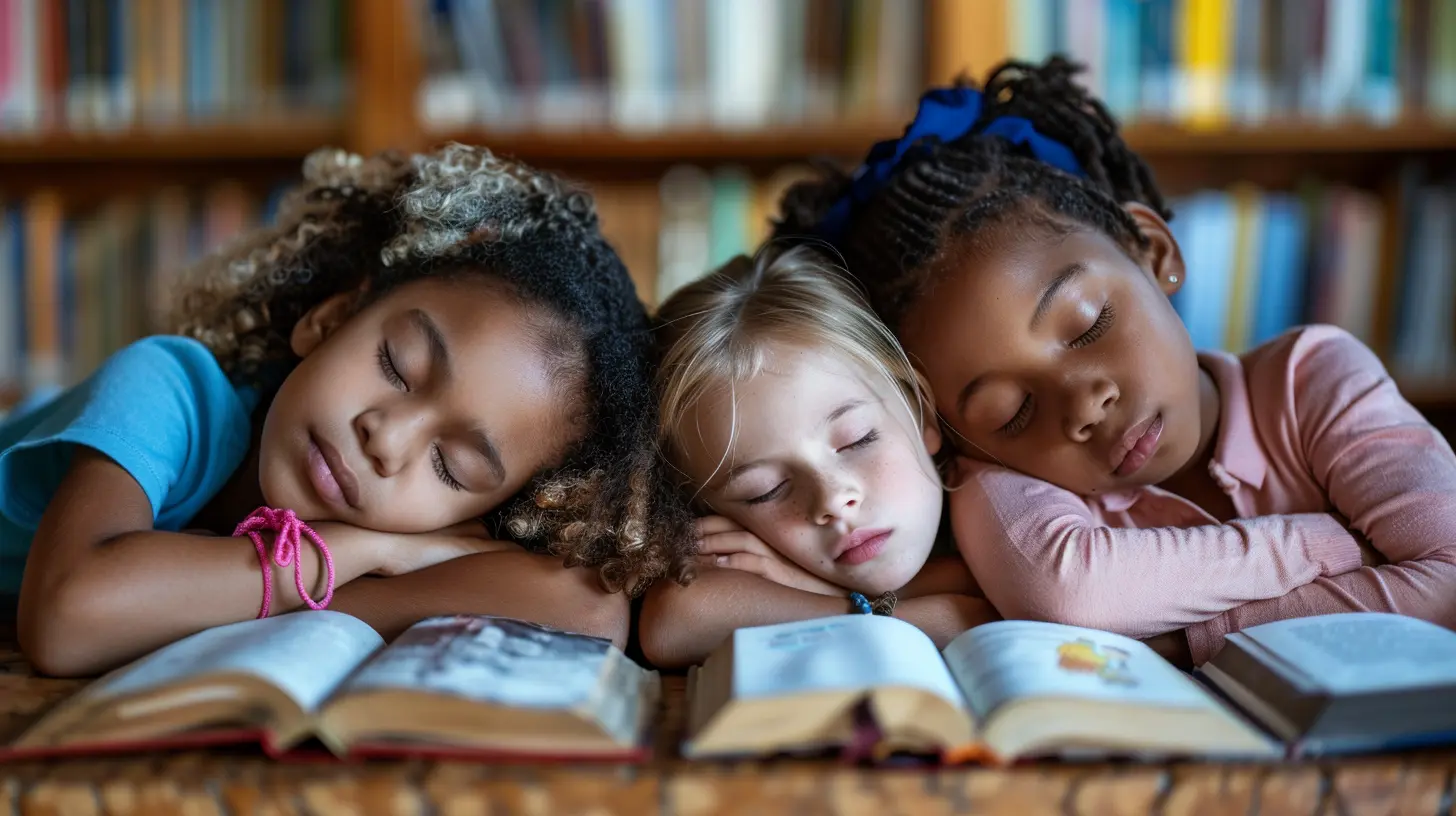
💤 The Connection Between Sleep and Memory
Let’s get into the juicy part — memory. We all want our kids to remember what they learned in school, right? But memory isn’t just about repetition. It’s about quality rest too.Here’s how sleep impacts memory in three key steps:
1. Encoding Information During the Day
Imagine your child is at school, absorbing new info like a sponge. If their brain is sleep-deprived, that “sponge” becomes more like a rock. Hard, unyielding, and not soaking up much. Poor sleep makes it almost impossible for the brain to encode (take in) new information properly.2. Storage Happens While Sleeping
This is where the magic happens. The brain strengthens new memories and makes connections. Think of it like organizing a messy room — tossing the junk, filing the important stuff, and creating a map so things are easier to find later.3. Better Recall the Next Day
After a good night’s sleep, a child can recall what they learned faster and more accurately. It’s like that “room” you just organized — now they can easily walk in and grab what they need during a test or class discussion.
🏫 How Sleep Affects School Performance
Okay, let’s be real. Every parent wants their kid to do well in school. But grades and test scores aren’t just about study habits. Sleep is a foundational piece of that puzzle.✅ Focus & Attention
Without sleep, kids are like little zombies — distracted, sluggish, and constantly zoning out. And you can’t learn if you’re not paying attention! Sleep boosts concentration and helps kids absorb and retain info better.✅ Creativity & Problem-Solving
REM sleep is like a secret training ground for creativity. During this phase, the brain links ideas together in new ways. So those "aha!" moments at school? Many are made during dreamland.✅ Emotional Regulation
Ever seen a cranky, overtired child fall apart over spilled juice? Lack of sleep makes emotions run wild. Well-rested kids can handle challenges, cooperate with peers, and adjust to changes better — all key ingredients for classroom success.
😴 How Much Sleep Do Children Really Need?
This varies by age, but here’s a quick guide from the experts:- Toddlers (1–2 years): 11–14 hours
- Preschoolers (3–5 years): 10–13 hours
- Elementary (6–12 years): 9–12 hours
- Teens (13–18 years): 8–10 hours
And yes, that includes naps for the young ones!
But let’s be honest — how many kids are hitting those numbers consistently? With homework, screen time, sports, and social lives, sleep often ends up on the back burner.
📱 The Role of Screens and Sleep
Here comes a biggie. Screens are EVERYWHERE. Tablets, phones, TVs, even smart watches. And while they’re helpful for learning and entertainment, they’re wreaking havoc on kids' sleep.Why? Because the blue light emitted from screens messes with melatonin — the hormone that tells your body it’s time for sleep. More screen time equals less melatonin, which means kids are lying in bed wide awake, counting sheep at midnight.
Want a simple fix? Create a “tech curfew.” No screens at least an hour before bedtime. Instead, encourage reading, puzzles, or calming music. You’d be surprised how much it helps.
🛌 Establishing Healthy Sleep Habits for Kids
Okay, time to get practical. How do you actually help your child get better sleep?1. Stick to a Regular Sleep Schedule
Same bedtime and wake-up time every day, even on weekends. Yes, it’s a pain. But trust me, the consistency helps reset their internal clock.2. Create a Bedtime Routine
Keep it simple and relaxing. Think: bath, story, snuggles, lights out. Routines signal the brain that it’s time to wind down.3. Limit Sugar & Caffeine
That can of soda at dinner time? Not a great idea. Sugar-fueled energy spikes make it harder to fall asleep.4. Make the Bedroom Sleep-Friendly
Cool, dark, and quiet. Maybe add a white noise machine or blackout curtains. Save the bed for sleep — not video games.🚨 The Risks of Sleep Deprivation in Children
Let’s not sugarcoat it — chronic lack of sleep can have serious consequences.- Lower academic performance
- Behavioral issues (more tantrums, hyperactivity, defiance)
- Mood disorders like anxiety and depression
- Obesity (sleep affects metabolism and hunger hormones)
- Weakened immune system
The long-term effects can even stretch into adulthood, impacting career success, relationships, and physical health.
🧪 What the Research Says
Don't just take my word for it. Tons of research backs this up.One study from the Journal of Clinical Child and Adolescent Psychology found that kids who didn’t get enough sleep had poor attention, weaker memory consolidation, and lower test scores. Another from Pediatrics revealed that even 30 minutes less sleep per night could affect academic performance.
And perhaps most compelling? MRI scans show that the brains of well-rested children are more active, especially in the parts responsible for learning and memory.
🤓 Real-Life Example: Meet Alex, Age 9
Let’s bring this home with a story. Alex is a bright 9-year-old who loves video games and hates bedtime. His parents noticed he was struggling in school — forgetting things, getting frustrated, and not finishing assignments.So they made a few changes:
- No screens after 8 PM
- A consistent 9 PM bedtime
- Reading for 20 minutes before bed
After just two weeks, Alex’s teacher sent home a note: “Alex is more focused and participating more in class!” His test scores improved, and even his mood brightened.
Coincidence? Not likely.
👨👩👧 How Parents & Teachers Can Help
We’re all in this together, right? Whether you’re at home or in the classroom, here’s how you can support healthy sleep habits:- Talk about it: Make sleep a normal part of conversation.
- Model good behavior: Kids mimic adults. Show them that sleep matters to you, too.
- Support school start time changes: Schools with later start times often see better attendance and performance.
- Educate others: Share what you’ve learned with friends, relatives, and other parents.
🌟 Final Thoughts
Sleep isn't just a break from the day — it's an investment in the future. If we want our kids to learn better, feel better, and thrive, we need to place sleep at the top of the priority list.So tonight, dim the lights early. Power down the tablet. Read a book together. And know that those extra zzz's are doing something powerful — shaping a sharper, stronger, and happier mind.
Because in the end, a well-rested child isn't just ready for school — they're ready for life.
all images in this post were generated using AI tools
Category:
Child DevelopmentAuthor:

Alexandra Butler
Discussion
rate this article
2 comments
Quincy Castillo
This article beautifully highlights the crucial link between sleep and cognitive development in children. It's a reminder for all of us to prioritize healthy sleep habits.
February 21, 2026 at 3:24 AM
Amelia Miller
In the delicate interplay of sleep and cognition, children’s dreams weave a tapestry of knowledge. What hidden connections lie in the shadows of their slumber? As they drift into night, they may unearth the secrets of learning, revealing a mysterious bond between rest and memory.
January 15, 2026 at 6:03 PM
Alexandra Butler
Thank you for your thoughtful reflection! Indeed, the connection between sleep and memory in children is fascinating, as their dreams may play a crucial role in processing and consolidating learning.