How Mindfulness Practices Can Support Child Development
12 January 2026
Raising a child in today’s fast-paced world can feel like a whirlwind. Between school, extracurricular activities, and screen time, kids rarely get a moment to slow down. But what if I told you that something as simple as mindfulness could make a world of difference in their development?
Mindfulness isn’t just for adults looking to de-stress—it’s a game-changer for raising happy, healthy, and emotionally balanced children. In this article, we’ll dive deep into how mindfulness practices can support child development and set kids up for a lifetime of mental and emotional resilience.
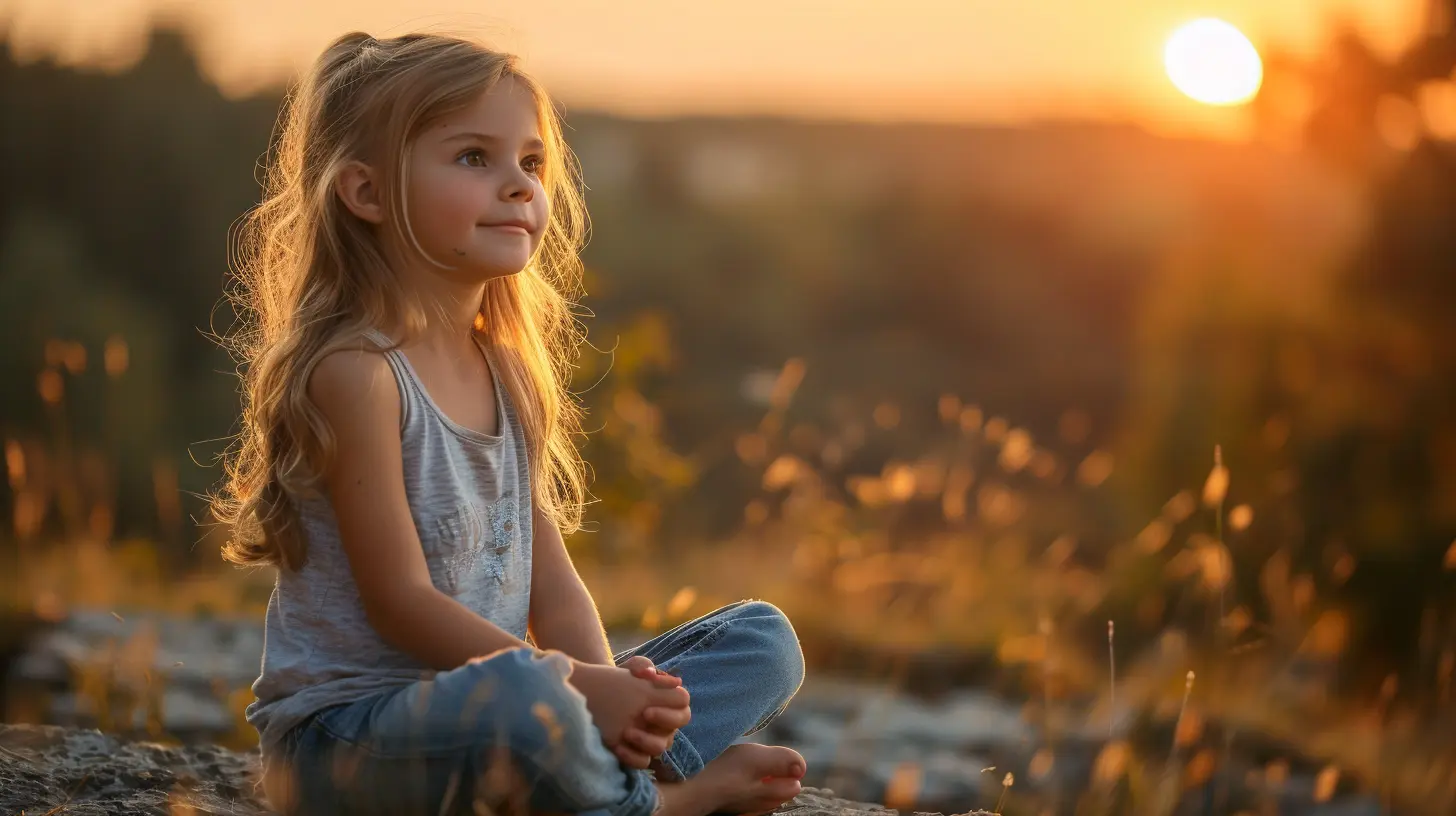
What Is Mindfulness?
Simply put, mindfulness is the practice of being fully present in the moment. It means paying attention to our thoughts, feelings, and surroundings without judgment. For kids, this can translate into learning how to navigate emotions, focus better in school, and handle stress in a healthy way.Instead of reacting impulsively, mindfulness teaches kids to pause, breathe, and respond with intention. Think of it as a mental muscle that needs regular exercise—over time, it builds resilience, empathy, and self-awareness. 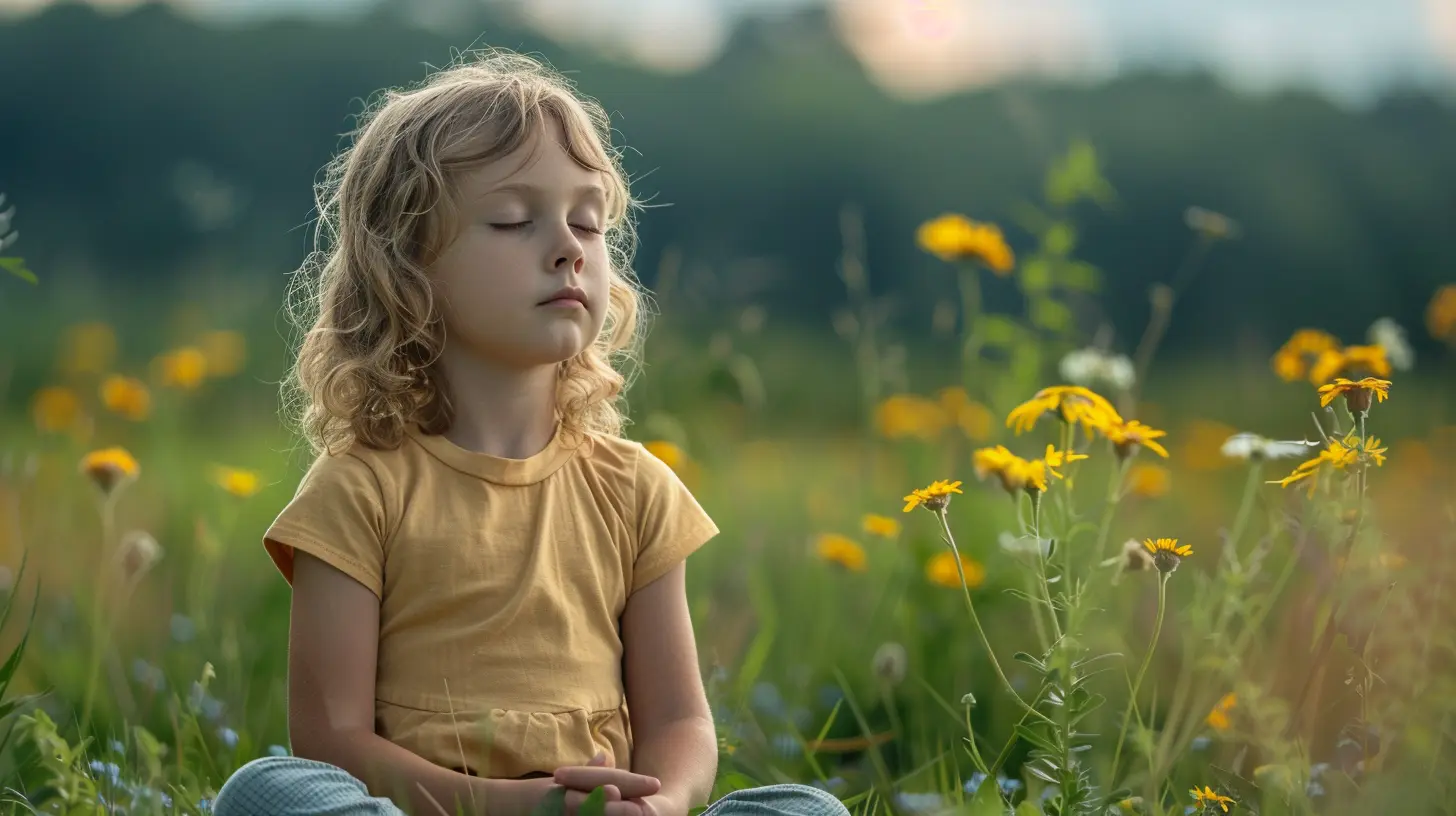
The Benefits of Mindfulness in Child Development
Mindfulness doesn’t just make kids feel calm—it has a profound impact on their overall development. Here’s how:1. Improves Emotional Regulation
Children often experience big emotions, but they don’t always have the tools to handle them. Mindfulness helps kids recognize their feelings without letting them take over.For example, instead of throwing a tantrum when frustrated, a mindful child learns to pause, take deep breaths, and express their emotions more constructively. This ability to self-regulate emotions helps foster long-term emotional intelligence and resilience.
2. Enhances Focus and Attention
Ever noticed how kids can struggle to sit still and pay attention? Mindfulness practices help improve concentration by training the brain to focus on one thing at a time.Studies show that children who engage in mindfulness activities demonstrate better attention spans, improved memory, and enhanced learning abilities—which can be a huge advantage in school and beyond.
3. Reduces Anxiety and Stress
Kids experience stress, too—whether it’s pressure from school, social challenges, or personal struggles. Mindfulness provides them with tools to manage stress effectively.Simple breathing exercises, guided meditation, or even mindful coloring can help kids feel more grounded and less overwhelmed. As a result, they develop healthier coping mechanisms rather than resorting to frustration or avoidance.
4. Encourages Kindness and Empathy
Mindfulness fosters compassion by helping kids become more aware of their thoughts and actions. When children develop mindfulness, they learn to be more empathetic towards others and themselves.By practicing gratitude and kindness meditations, kids begin to understand the importance of treating themselves and those around them with care and respect.
5. Supports Better Sleep Patterns
Trouble sleeping? Mindfulness can help kids wind down and establish healthy sleep routines. Many children struggle with restless nights due to overstimulation from screens, school stress, or even anxiety.By incorporating mindfulness exercises like deep breathing, progressive muscle relaxation, or bedtime affirmations, kids can relax their minds and bodies, making bedtime a more peaceful experience. 
Simple Mindfulness Practices for Kids
Now that we know the benefits, let’s talk about how to introduce mindfulness to kids in a fun and engaging way!1. Mindful Breathing
One of the easiest mindfulness techniques is mindful breathing. Ask your child to take slow, deep breaths and focus on how the air feels going in and out. You can even have them place a stuffed animal on their belly and watch it rise and fall as they breathe.2. Body Scan Exercise
A body scan helps kids learn to connect with their physical sensations. Have them lie down, close their eyes, and slowly bring attention to different body parts—from their toes to the top of their head.This can help them recognize tension or discomfort and learn to relax their bodies intentionally.
3. Gratitude Practice
Encourage kids to think of three things they’re grateful for each day. This simple habit helps shift their mindset towards positivity and appreciation, which can enhance overall emotional well-being.4. Mindful Listening
Take a moment to listen—really listen. Have your child close their eyes and focus on the sounds around them. Is there a bird chirping? A car passing by? This practice helps improve their focus and ability to stay present in the moment.5. Mindful Eating
Turn mealtime into a mindfulness moment. Encourage your child to eat slowly, noticing the textures, tastes, and smells of their food. This practice not only improves appreciation for food but also helps prevent overeating.6. Guided Meditations for Kids
There are plenty of child-friendly meditation apps and YouTube videos that offer short, engaging guided meditations. Even just a few minutes a day can help them develop a sense of inner calm and focus.
How Parents and Educators Can Encourage Mindfulness
Mindfulness isn’t just something kids do—it’s a practice that parents and teachers can incorporate into daily routines to create a more mindful environment.1. Lead by Example
Kids learn best by watching the adults around them. If they see you practicing mindfulness, they’re more likely to adopt it themselves. Try modeling mindful breathing, gratitude, or even taking mindful moments throughout the day.2. Create a Mindful Space
Set up a quiet corner with cozy cushions, calming music, and mindfulness tools like coloring books or breathing exercises. This space can be their go-to spot for calming down when needed.3. Integrate Mindfulness into Daily Routines
Mindfulness doesn’t have to be separate from daily life—it can be woven into activities like brushing teeth, walking to school, or even transitioning between tasks. A simple reminder to “take a deep breath” before starting homework can work wonders.4. Encourage Open Conversations About Emotions
Help kids label and express their emotions without judgment. Ask them questions like, “How does this make you feel?” or “What can we do to help you feel better?” Mindfulness thrives in an environment where emotions are openly discussed and understood.Final Thoughts
Mindfulness isn’t just another trend—it’s a valuable life skill that can support children in becoming more focused, resilient, and emotionally intelligent. By incorporating simple mindfulness practices into their daily lives, kids can learn to navigate challenges with confidence and develop a deeper connection with themselves and others.So, whether it’s taking a few deep breaths before school or practicing gratitude at bedtime, even the smallest mindfulness habits can make a lasting impact on a child’s development. Why not start today?
all images in this post were generated using AI tools
Category:
Child DevelopmentAuthor:

Alexandra Butler
Discussion
rate this article
2 comments
Grace McIntosh
Thank you for this insightful article! It's heartening to see how mindfulness can nurture emotional resilience and well-being in children, supporting their development in such a profound way.
February 1, 2026 at 3:28 AM
Alexandra Butler
Thank you for your kind words! I'm glad you found the article insightful. Mindfulness truly can make a meaningful difference in children's development.
Drew Phillips
Mindfulness nurtures resilience; empowering children to thrive and grow!
January 19, 2026 at 4:18 PM
Alexandra Butler
Thank you for highlighting the connection! Mindfulness truly does foster resilience, helping children navigate challenges and flourish.