How Empathy Can Help Break Down Cultural Barriers
30 July 2026
Ever find yourself sitting across from someone whose background is so different from yours that it feels like you’re speaking two different languages, even though you’re both using English? That’s what cultural barriers feel like. These invisible walls rise up from differences in values, traditions, beliefs, and communication styles. But here’s the good news: empathy might just be the wrecking ball we need to tear those walls down.
In a world that feels more connected—and yet more divided—than ever, understanding each other on a human level is essential. Let’s unpack how empathy can be the secret sauce in bridging cultural gaps. Spoiler alert: it starts with giving a damn about someone else’s experience.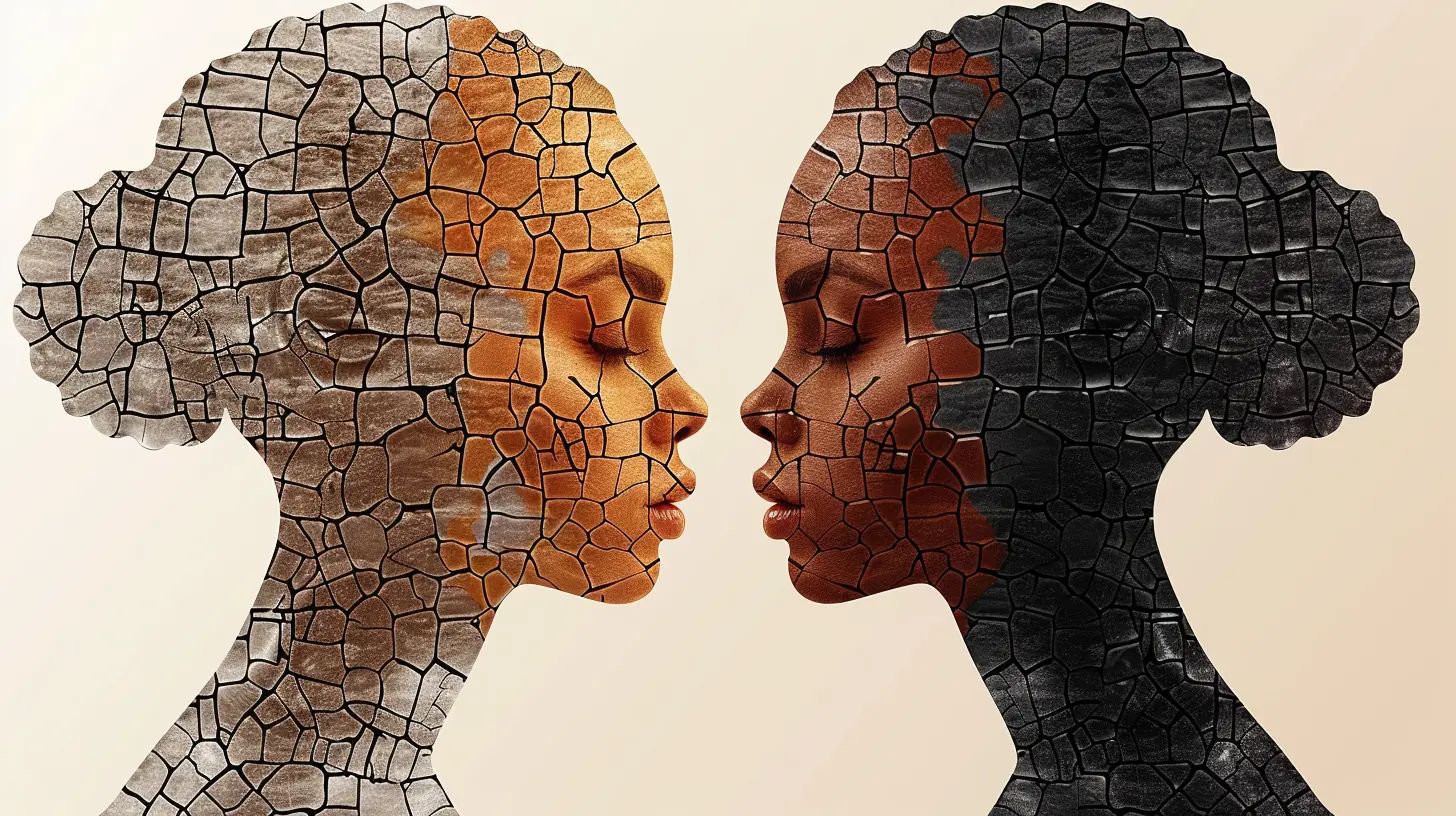
What Are Cultural Barriers, Really?
Before we dive into the empathy part, let’s get a crystal-clear picture of what we’re up against. Cultural barriers aren’t just about language. Sure, that can be a part of it, but it’s deeper than that.Think of cultural barriers like filters. Everything someone hears, says, does—even the way they interpret body language—gets processed through their cultural lens. When two cultural lenses don’t align, misunderstandings happen. Sometimes it's awkward. Other times it's downright offensive (even if unintentional).
You’ve probably seen it before: a joke that doesn’t land, a greeting that feels too touchy or too cold, or an assumption that backfires. These are the tiny cracks that, over time, lead to major divisions between people.
But here’s where empathy steps in like a hero in a rom-com… just less cheesy and more impactful.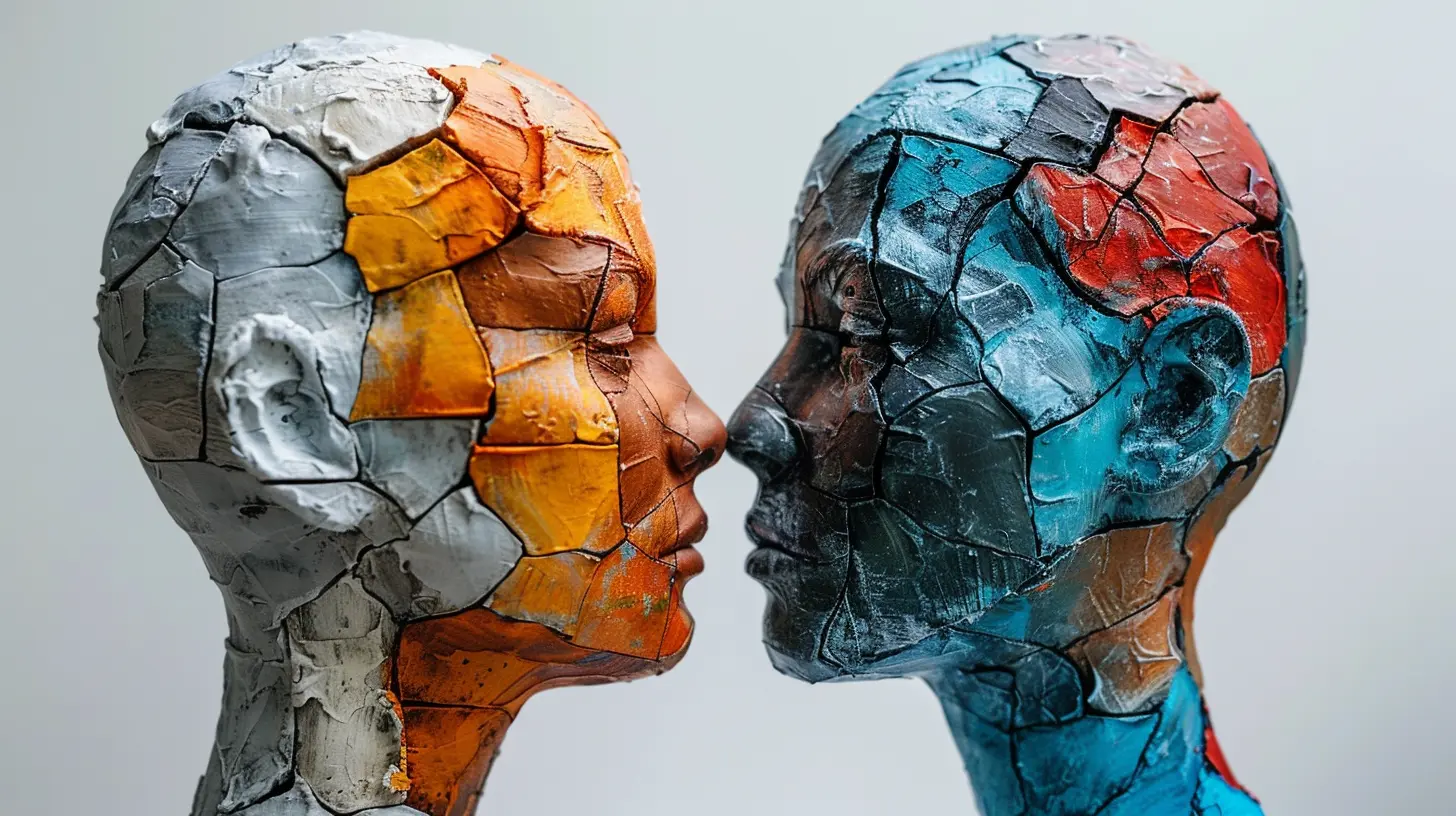
So, What Exactly Is Empathy?
You hear the word thrown around a lot, but let’s break it down. Empathy is not just “feeling sorry” for someone. That’s pity. Empathy is the ability to step into someone else’s shoes—mentally and emotionally—and actually feel with them. Not for them. With them.There are a couple of flavors of empathy:
- Cognitive Empathy: Understanding what someone else thinks or believes.
- Emotional Empathy: Actually feeling what someone else feels.
- Compassionate Empathy: Feeling + understanding + the urge to help.
We’re aiming for that third kind. Compassionate empathy isn’t just passive understanding, it drives action. And action is what breaks barriers.
How Does Empathy Bridge Cultural Gaps?
Alright, now we’re getting into the meat of it. Imagine two people from wildly different backgrounds trying to work together. One prioritizes hierarchy. The other values equality. One speaks indirectly to be polite. The other is blunt and candid.Without empathy, frustration brews fast.
But when empathy gets involved? You start seeing the “why” behind behaviors. You stop interpreting things through your own bias. And you start connecting as humans, rather than cultural representatives.
Here’s how empathy does its magic:
1. Empathy Shifts Our Perspective
It forces us to hit pause on our own judgments. When you try to view the world through someone else’s cultural lens, big revelations start to happen. You begin to think, “Oh, that's why they didn’t look me in the eye. It's not rude—it’s respectful in their culture.”Perspective kills prejudice. It’s hard to judge someone harshly once you understand where they’re coming from.
2. Empathy Builds Trust
Trust is the foundation of any human relationship. When someone feels understood, they lower their guard. They’re more willing to engage, to share, and to collaborate.Let’s face it: we all want to feel seen and heard, right? When empathy is present, people stop being “the other.” They start becoming “one of us.”
3. Empathy Improves Communication
Most cross-cultural conflicts boil down to miscommunication. Empathy helps you listen to understand, not just to reply. You pick up on tone, context, and even what’s not being said.Plus, you become more mindful of your own words. You don’t have to walk on eggshells, but you learn how to be culturally aware without being performative.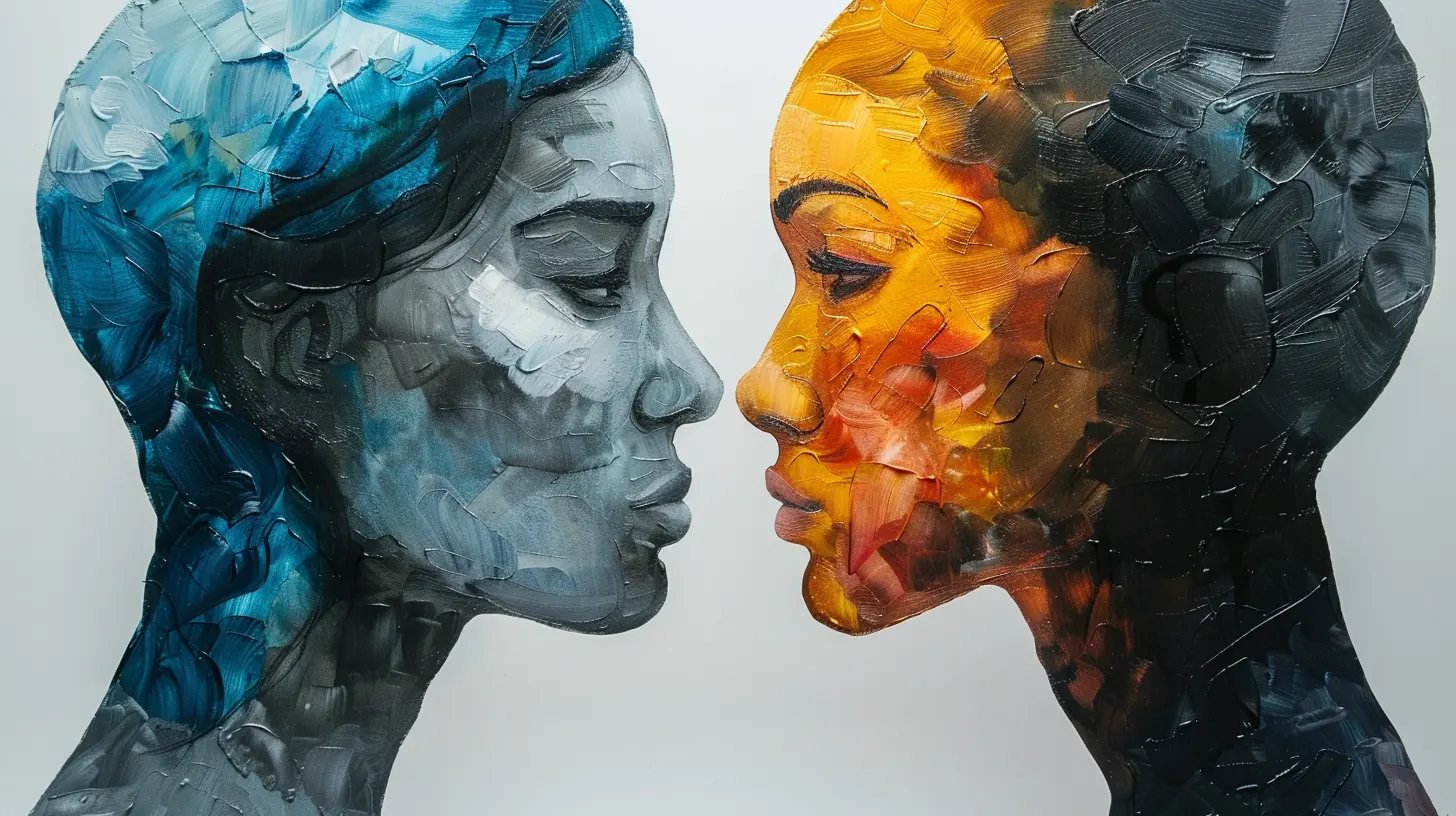
Real-World Scenarios Where Empathy Makes the Difference
Let’s ground this in reality. These aren’t hypotheticals—they’re everyday occurrences around the world.Workplace Conflicts
A manager from the U.S. tells their Japanese team member to “speak up more.” But in Japanese culture, harmony and humility are valued more than assertiveness.Without empathy, the manager thinks the team member lacks initiative. With empathy, the manager adjusts their expectations—and maybe even learns something about collectivist values.
Immigration Experiences
Imagine moving to a country where you don’t speak the language, don't know the customs, and constantly feel like you’re doing everything “wrong.”Empathy from locals can be the difference between feeling isolated and feeling welcomed. It’s a small gesture—like offering help, or trying to pronounce someone’s name correctly—but it speaks volumes.
Everyday Conversations
Maybe your friend dresses differently, celebrates different holidays, or cooks food with unfamiliar spices. Instead of making them feel “other,” empathy pushes you to ask questions with genuine curiosity.“Can you tell me more about that tradition?” goes a lot further than “Wow, that’s weird.”
Developing Empathy Across Cultures: Where Do We Start?
Empathy isn’t just a switch you flip. It’s a muscle, and like any muscle, it gets stronger the more you use it. Here are a few ways to build your empathy, especially in cross-cultural settings:1. Be Curious, Not Judgmental
Instead of leaping to conclusions, ask questions. Approach cultural differences with an open mind. Curiosity invites connection; judgment shuts it down.2. Listen Without Interrupting
It sounds simple but it's not easy. When someone's telling their story—whether it's about their upbringing, struggles, or perspective—listen. Really listen. Don't just wait for your turn to talk.3. Educate Yourself
Read books, watch films, subscribe to podcasts from other cultures. Don’t expect people to teach you everything about their identity. Take the initiative.4. Sit With Discomfort
Empathy sometimes means hearing things that challenge your values or beliefs. That’s okay. Growth isn’t always comfortable. If you feel defensive, ask yourself why.5. Practice Cultural Humility
You won’t get everything right. You’ll mess up. But admit it, apologize if needed, and keep learning. Cultural humility means acknowledging you don’t know everything—and being okay with that.Empathy Isn’t About Losing Yourself
This is important. Embracing empathy across cultures doesn’t mean abandoning your own culture. It’s not about becoming a chameleon. It’s about expanding your capacity for understanding.Think of it like adding colors to your palette. Your color doesn’t fade—it just gets richer.
Why This Matters More Than Ever
Let’s be honest: the world feels tense. Misinformation fuels stereotypes. Political rhetoric stokes fear. Social media creates echo chambers where we only hear from people who think like us.But empathy? It breaks that cycle.
It invites diverse voices to the table and says, “I may not have lived your experiences—but I’m ready to try to understand.”
That’s where real change happens. That’s how communities heal, workplaces thrive, and friendships deepen.
Final Thoughts: Empathy as a Daily Practice
At the end of the day, breaking cultural barriers isn’t a one-time task. It’s an ongoing process. And empathy is your best companion on that journey.Every conversation you have, every assumption you challenge, every moment you choose connection over comfort—you’re planting a tiny seed. And like all good things, those seeds grow into something powerful.
So, next time you find yourself face-to-face with someone different from you, pause. Listen. Ask. Connect.
That’s empathy in action—and it could just change the world, one relationship at a time.
all images in this post were generated using AI tools
Category:
EmpathyAuthor:

Alexandra Butler