How Chronic Illness Affects Mental Health and Vice Versa
25 June 2026
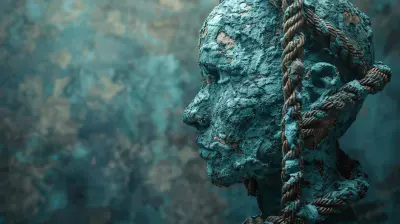
Living with a chronic illness can feel like carrying a heavy backpack that no one else can see. It’s always there, weighing you down, making even the simplest tasks more challenging. But what often goes unnoticed is how this constant burden can take a serious toll on mental health. And here’s the tricky part—it works both ways. Mental health struggles can also affect physical health, creating a cycle that’s tough to break.
So, how exactly do chronic illness and mental health impact each other? And more importantly, what can be done about it? Let’s dive into this complex relationship and shed some light on this often-overlooked connection. 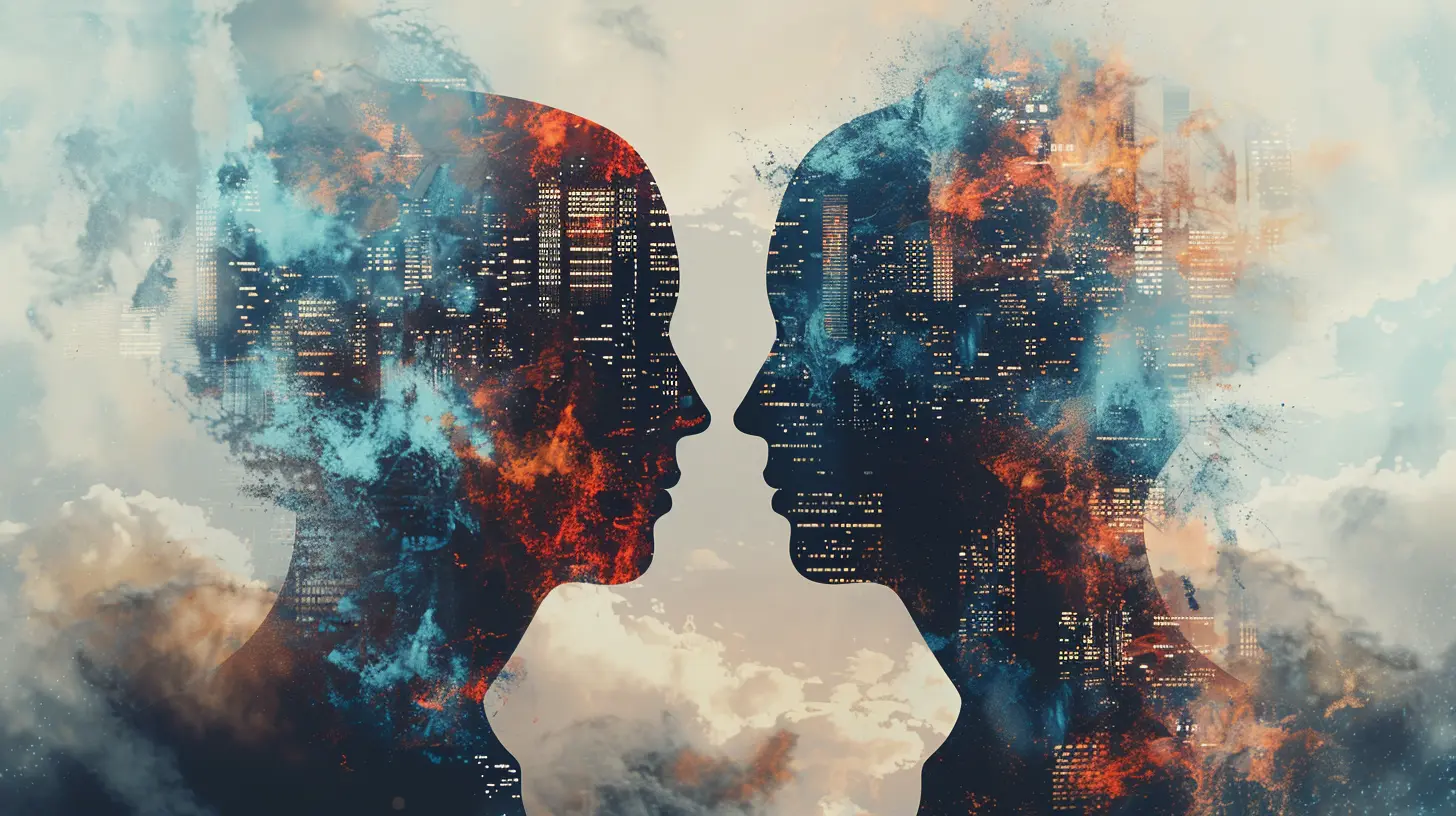
The Invisible Link Between Body and Mind
People often separate physical and mental health as if they belong to two different worlds. But in reality, they're deeply connected—like two sides of the same coin. When the body suffers, the mind follows. And when emotions become overwhelming, the physical body starts to respond in ways that can worsen existing health conditions.Let’s break it down and get to the heart of the issue. 
How Chronic Illness Affects Mental Health
Imagine waking up every day not knowing how much pain you'll be in or whether you'll have the energy to get through the day. That uncertainty alone is enough to cause emotional distress. Here are some of the biggest ways chronic illness can impact mental well-being.1. Increased Stress and Anxiety
When you're dealing with a long-term health condition, stress becomes a constant companion. You worry about doctor’s appointments, medications, treatments, and whether your condition will get worse over time. Overthinking, feeling out of control, and anticipating the worst can lead to anxiety disorders that are difficult to manage.2. Depression and Emotional Fatigue
Chronic illness often brings lifestyle changes—sometimes drastic ones. You may have to quit your job, give up hobbies you love, or even pull back from social interactions. This sense of loss can lead to depression, making it harder to find joy in life.Plus, ongoing pain and discomfort can drain emotional energy, leaving you feeling exhausted and unmotivated. It becomes a vicious cycle where physical symptoms fuel depression, and depression, in turn, makes physical symptoms worse.
3. Social Isolation and Loneliness
Let’s be real—being sick all the time isn’t exactly a social butterfly’s dream. Chronic illness can limit your ability to go out, meet friends, or participate in activities you once enjoyed. Over time, this isolation can lead to feelings of loneliness, which can make depression and anxiety even worse.When friends and family don’t fully understand what you’re going through, it can feel like you’re fighting an invisible battle alone. And that, in itself, is mentally exhausting.
4. Loss of Identity and Self-Worth
We often tie our self-worth to what we can do—our work, our achievements, our physical abilities. But chronic illness can strip that away, forcing you to redefine who you are beyond your productivity. This identity crisis can lead to feelings of frustration, hopelessness, and even resentment toward yourself and others.Many people with chronic illnesses struggle with guilt, feeling like a burden to their loved ones. That guilt can spiral into low self-esteem, making mental health struggles even more intense. 
The Other Side: How Mental Health Affects Chronic Illness
Now, let’s flip the script. If you’ve ever noticed that stress or sadness makes your physical symptoms worse, you're not imagining it. The mind has a powerful influence on the body, and poor mental health can make chronic illnesses even more challenging to manage.1. Stress Can Make Symptoms Worse
We all know that stress isn’t good for us, but for someone with a chronic illness, it can be downright dangerous. Stress triggers inflammation in the body, which can worsen conditions like autoimmune diseases, heart disease, and chronic pain disorders.Ever had a headache get worse when you're anxious? Or felt your stomach churn when you're stressed? That’s your mind and body working together—just not in the way you’d like.
2. Depression and Anxiety Can Lower Pain Tolerance
Pain is already tough to deal with, but when you’re mentally struggling, your body becomes even more sensitive to it. Depression and anxiety can lower your pain threshold, making every ache and flare-up feel even more unbearable.It’s a cruel irony: the very conditions that make chronic illness harder to cope with also make pain feel more intense.
3. Mental Health Struggles Can Lead to Poor Self-Care
When you're mentally drained, taking care of yourself feels like an uphill battle. Simple tasks like remembering to take medication, eating healthy, or getting enough rest can fall by the wayside. And when self-care slips, chronic illness symptoms can flare up, creating a never-ending cycle of worsening health.It’s not just about lacking motivation—it’s about feeling so overwhelmed that even the smallest efforts seem impossible. 
Breaking the Cycle: Managing Both Physical and Mental Health
So, if chronic illness affects mental health and vice versa, how do you break the cycle? While there’s no one-size-fits-all solution, here are some strategies that can help manage both physical and emotional well-being.1. Practice Mindfulness and Stress Management
Mindfulness techniques, such as meditation and deep breathing, can help calm the nervous system, reducing stress and anxiety. Even just a few minutes a day can make a difference in how you cope with symptoms.2. Seek Professional Help
There’s absolutely no shame in needing support. Whether it’s therapy, support groups, or counseling, talking to someone who understands can provide relief. Cognitive-behavioral therapy (CBT) is particularly helpful for breaking negative thought patterns that contribute to stress and depression.3. Stay Connected with Loved Ones
Isolation only makes things worse, so make it a point to stay connected with friends and family. Even if you can’t physically go out, virtual hangouts, phone calls, or even texting can help you feel less alone.4. Prioritize Self-Care
Taking care of yourself isn’t selfish—it’s necessary. Eating well, getting enough sleep, and engaging in gentle movement (when possible) can make a world of difference in both physical and mental health. Small steps count, so don’t underestimate the little things.5. Set Realistic Goals
You don't have to do everything all at once. Setting small, achievable goals can give you a sense of accomplishment without overwhelming yourself. Whether it's going for a short walk, journaling for five minutes, or cooking a healthy meal—every small step matters.Final Thoughts
Living with a chronic illness is tough—there's no sugarcoating that. But understanding the connection between your physical and mental health can help you take control in ways you might not have thought possible.You’re not alone in this battle. By acknowledging the challenges, seeking support, and taking small but meaningful steps toward both physical and mental well-being, you can break the cycle and regain control of your life.
At the end of the day, health isn’t just about the body or the mind—it’s about both working together in harmony. And while the journey may not be easy, it is possible to find balance, even in the face of chronic illness.
all images in this post were generated using AI tools
Category:
Mind And Body ConnectionAuthor:

Alexandra Butler
Discussion
rate this article
1 comments
Rachael McKibben
This article really hits home. It's so important to recognize the connection between chronic illness and mental health. I've seen firsthand how they can influence each other. Thanks for shedding light on this often overlooked topic. Keep up the great work!
July 9, 2026 at 5:01 AM
Alexandra Butler
Thank you for your thoughtful comment. I'm glad the article resonated with you. It's a crucial topic, and I appreciate your support.