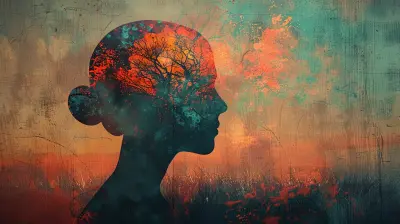
Growing Out of Imposter Syndrome: What to Expect by 2027
22 April 2026
Ah, Imposter Syndrome! It’s that sneaky little monster that lurks in the corners of our minds, whispering sweet nothings of self-doubt and insecurity. Whether you’re a high-flying executive, a budding artist, or a student trying to ace that final exam, Imposter Syndrome can strike anyone at any time. But what if I told you that by 2027, there’s a good chance you could be waving goodbye to that pesky syndrome? Let’s dive in and see what the future holds for us in this light-hearted exploration!

What Is Imposter Syndrome, Anyway?
Before we leap into the future, let’s unpack this whole Imposter Syndrome thing. Imagine you’ve just been promoted at work, and instead of feeling excited, you’re convinced that everyone’s going to figure out you’re a fraud. Sound familiar? That’s Imposter Syndrome in action!The Classic Symptoms
People battling this syndrome often feel:- Self-Doubt: You’re thinking, “I don’t deserve this success.”
- Fear of Exposure: It’s like you’re in a game of hide-and-seek, but you’re always the one hiding.
- Perfectionism: You might feel like you have to be flawless, or else you’ll be “found out.”
Who’s Affected?
You’d be surprised! It’s not just the new kid on the block; even seasoned pros can fall prey to it. Studies suggest that up to 70% of people experience Imposter Syndrome at some point. So if you ever felt like you were faking it, guess what? You’re not alone!
A Closer Look at the Future: What to Expect by 2027
Fast forward to 2027! What’s in store for those grappling with Imposter Syndrome? Here’s the scoop!Increased Awareness
By 2027, the conversation around mental health and Imposter Syndrome will be as common as discussing the weather. Mental health advocates, influencers, and even workplaces are increasingly recognizing the importance of discussing these feelings. Imagine walking into a room and being able to openly share your struggles without judgment!Education and Training
Educational institutions are already integrating mental health education into their curriculums. By 2027, we’ll likely see more courses designed specifically to help people recognize and combat Imposter Syndrome. Think of it as a superhero training program for your brain!The Rise of Community Support
Remember that feeling of isolation? In the future, you’ll find it’s easier than ever to connect with others who share your experiences. Online forums, support groups, and social media communities will become the go-to places for people seeking camaraderie and advice. It’s like having a squad of cheerleaders rooting for you!
What Will Help Us Grow Out of Imposter Syndrome?
So, what tools will we have in our toolbox by 2027 to kick Imposter Syndrome to the curb? Let’s break it down!Mindfulness and Self-Compassion
Mindfulness is the cool kid on the block right now, and it’s only going to gain popularity. Practicing mindfulness helps you stay present, reducing anxiety and self-doubt. Self-compassion practices will also become more mainstream. Imagine giving yourself a break and treating yourself like you would a friend.Therapy and Counseling
Therapy has long been a valuable resource, but by 2027, it will be even more accessible. Virtual therapy sessions, apps, and community resources will make it easier for anyone to seek help. It’s like having a mental health hotline at your fingertips!Seeking Mentorship
Finding a mentor can be a game-changer. As more people realize the benefits of mentorship, the chances of you connecting with someone who has walked a similar path will only increase. They can share their experiences, reassure you that you’re not alone, and help you build confidence. It’s like having a GPS for your career journey!
The Power of Positive Affirmations
Positive affirmations are going to be the magical spells we cast on our insecurities. Want to feel more confident? Try repeating phrases like, “I am enough,” or “I deserve to be here.” By 2027, we’ll see a rise in affirmations, and people will be shouting them from the rooftops—okay, maybe not literally, but you get the idea!Visualization Techniques
Picture this: You’re standing on a stage, delivering a speech. The crowd is loving it, and you feel confident! Visualization techniques will become a popular way to combat self-doubt, helping us imagine our future success. By 2027, we’ll be pros at picturing our achievements before they even happen!Embracing Failure
Let’s face it; failure is a part of life. And by 2027, we’ll be learning to embrace it like a long-lost friend. Instead of viewing failure as the end of the world, we’ll be seeing it as an opportunity for growth. After all, every failure is just a stepping stone on the path to success!Building Resilience
Resilience will become a hot topic by 2027. We’ll be learning how to bounce back from setbacks and see them as opportunities for improvement. Think of resilience as your mental rubber band—it stretches but never breaks!
The Role of Technology
Let’s not forget about technology! By 2027, advancements in artificial intelligence and apps will help us track our mental health, offer personalized support, and even provide instant access to resources. Imagine an app that sends you motivational quotes when you’re feeling like an imposter!Social Media Awakening
Social media could be a double-edged sword, but by 2027, we’ll likely see a shift toward using it as a platform for positivity and support. Influencers and brands will focus on promoting mental health awareness, making it cool to talk about our struggles. It’ll be like a virtual hug!Real Stories of Growth
What’s better than hearing real stories? By 2027, we’ll have a treasure trove of success stories from people who have overcome Imposter Syndrome. These tales will serve as inspiration, proving that we can all grow out of it—like a caterpillar turning into a butterfly.The Power of Testimonials
Imagine watching a series of videos where people share their journeys. Hearing how they conquered their self-doubt can be incredibly motivating. It’s like sitting around a campfire, sharing stories and learning from each other’s experiences.
Setting Realistic Goals
As we move into 2027, one important thing to remember is that growth takes time. Setting realistic goals for ourselves will become key. Instead of aiming for perfection, we’ll focus on progress. Every little step counts, and celebrating small wins will become a regular practice!The Importance of Balance
Finding balance in life will be another crucial factor in overcoming Imposter Syndrome. By 2027, we’ll be prioritizing self-care, hobbies, and social connections just as much as our careers. After all, life is a marathon, not a sprint!Closing Thoughts: The Future is Bright!
So, as we look ahead to 2027, there’s much to be excited about when it comes to growing out of Imposter Syndrome. The awareness, support systems, and tools available will empower you to embrace your true self. You’ll be strutting your stuff like the confident superstar you are!And remember, even if you’re feeling like an imposter today, it doesn’t define your future. With the right mindset and support, you’ll be flipping that script in no time!
So, whether you’re reading this from your cozy couch or your favorite coffee shop, take a moment to appreciate how far you’ve come and the bright future ahead. You’ve got this!
all images in this post were generated using AI tools
Category:
Imposter SyndromeAuthor:

Alexandra Butler
Discussion
rate this article
1 comments
Lyla Summers
Thank you for this insightful article on imposter syndrome. I appreciate the practical strategies and hopeful outlook for the future. It's comforting to know that growth is possible, and I look forward to applying these ideas in my own journey toward self-acceptance and confidence.
April 23, 2026 at 4:11 AM
Alexandra Butler
I'm glad you found it helpful! Wishing you all the best on your journey to self-acceptance and confidence.