Exploring the Role of Art Therapy for Individuals with Schizophrenia
9 January 2026
Schizophrenia is a complex and often misunderstood mental health condition that affects how a person thinks, feels, and behaves. While traditional treatments like medication and psychotherapy play a vital role in managing symptoms, alternative therapies, such as art therapy, are gaining recognition for their effectiveness.
But how exactly does art therapy help individuals with schizophrenia? Can colors, shapes, and creative expression truly make a difference? Let’s dig into the fascinating connection between art and mental health, particularly for those living with schizophrenia.
What is Art Therapy?
Art therapy is a form of psychotherapy that encourages individuals to express themselves through creative activities like painting, drawing, sculpting, and collage-making. Instead of relying solely on verbal communication, art therapy taps into the subconscious, helping people process emotions, reduce stress, and express thoughts that may be difficult to put into words.For individuals with schizophrenia, who often struggle with distorted thought patterns and difficulty communicating, art therapy provides a powerful alternative outlet for self-expression.
How Schizophrenia Affects Creativity and Expression
Schizophrenia often brings a mix of hallucinations, delusions, disorganized thinking, and emotional withdrawal. These symptoms can make it challenging for individuals to articulate their thoughts or engage in conventional conversations.Interestingly, research suggests that people with schizophrenia may have heightened creativity due to their unique way of perceiving the world. However, without proper support, this creativity can become overwhelming rather than therapeutic. Art therapy provides a structured way to channel these creative tendencies into something meaningful and healing.
The Psychological Benefits of Art Therapy for Schizophrenia
So, why does art therapy work so well for individuals with schizophrenia?1. Encourages Expression Without Words
Many people with schizophrenia struggle to verbalize their emotions or experiences. Art therapy bypasses language barriers, allowing them to communicate their inner world through colors, images, and shapes. A simple drawing can convey deep emotions that words might fail to express.2. Reduces Stress and Anxiety
Engaging in creative activities has been shown to lower cortisol levels (the stress hormone). The repetitive motions of painting or sculpting create a meditative effect, helping individuals feel calmer and more in control.3. Improves Focus and Cognitive Function
Schizophrenia often affects memory, attention, and problem-solving skills. Art therapy can help strengthen these cognitive abilities by encouraging individuals to plan, experiment, and stay engaged in a structured but flexible creative process.4. Provides a Sense of Accomplishment
Creating artwork gives individuals a tangible result of their efforts, boosting their self-esteem. Completing a painting or sculpture can be incredibly encouraging, reminding them that they are capable of producing something beautiful and meaningful despite their challenges.5. Enhances Social Interaction
Many people with schizophrenia experience social withdrawal, which can lead to loneliness and isolation. Group art therapy sessions provide a safe and accepting environment where individuals can connect with others without the pressure of verbal conversation.6. Encourages Emotional Processing
Art therapy allows individuals to explore and process their emotions non-verbally. This can be particularly helpful for those who struggle with emotional blunting—a common symptom of schizophrenia where emotions feel distant or muted.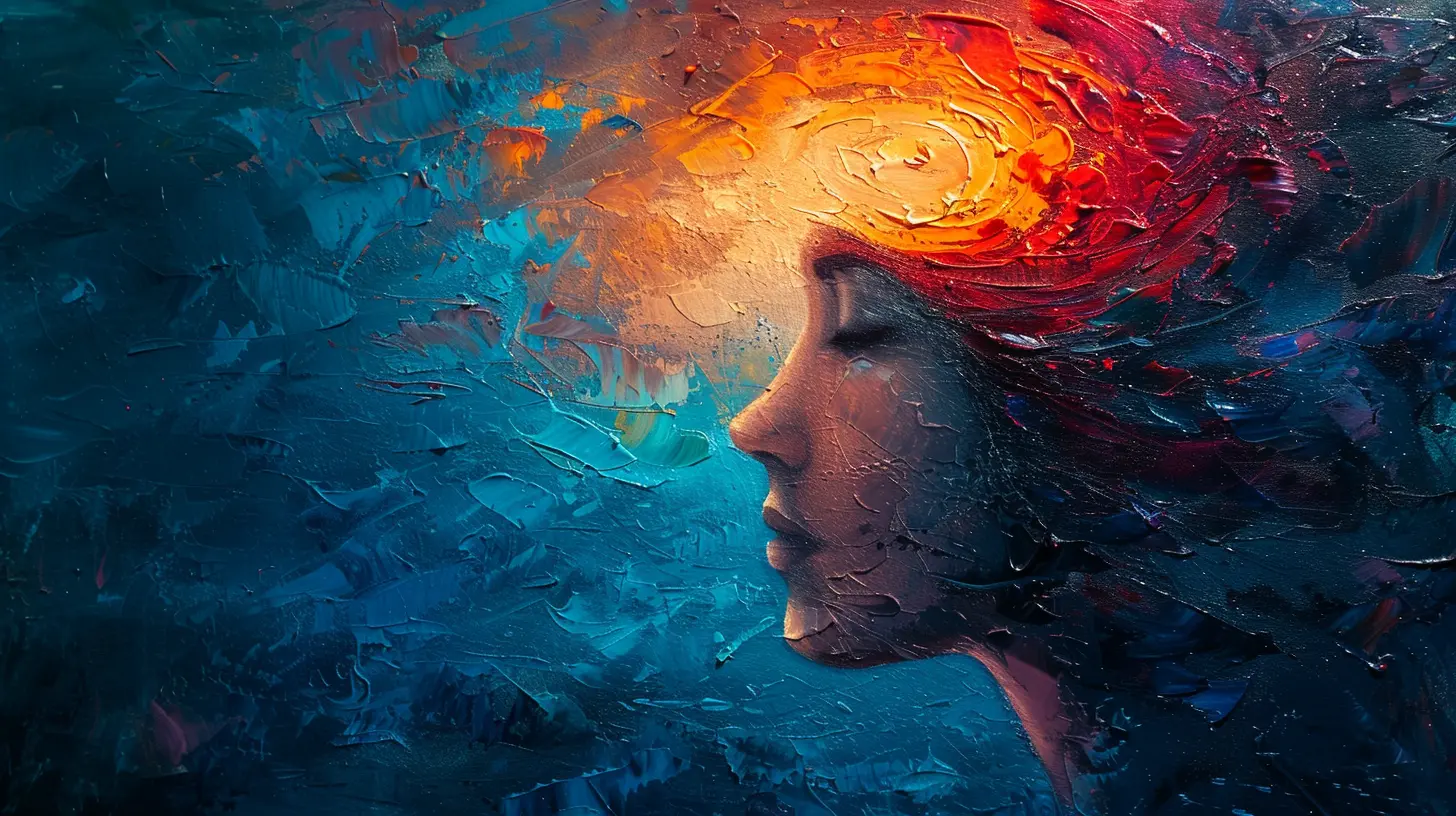
How Art Therapy Works in Practice
Art therapy sessions are typically guided by a trained art therapist, who helps individuals explore different mediums and techniques while also providing psychological support.What Happens in an Art Therapy Session?
A typical session may involve:- Choosing an art medium (painting, drawing, sculpture, etc.)
- Engaging in free expression or guided projects
- Discussing the artwork with the therapist (if comfortable)
- Reflecting on emotions and thoughts that arise during the process
The goal isn’t to create “perfect” art but rather to use creativity as a tool for self-exploration and healing.
Common Art Therapy Techniques Used for Schizophrenia
- Mandala Drawing – Creating intricate circles to improve focus and reduce anxiety- Abstract Painting – Encouraging free expression without rigid expectations
- Collage-Making – Using mixed materials to tell a story or express emotions
- Clay Sculpting – Providing a tactile experience that enhances mindfulness
Scientific Evidence Supporting Art Therapy
Research supports the idea that art therapy is beneficial for individuals with schizophrenia. Studies have found that:- Art therapy improves emotional regulation by providing a structured outlet for emotions.
- It helps reduce psychotic symptoms, including hallucinations and paranoia.
- Individuals who participate in regular art therapy sessions show improvements in social skills and overall well-being.
A study published in the journal Psychiatry Research found that patients with schizophrenia who engaged in art therapy experienced better emotional awareness, improved cognitive function, and reduced negative symptoms compared to those who relied solely on medication.
Integrating Art Therapy with Traditional Treatment
While art therapy is not a replacement for medication or traditional psychotherapy, it can be an effective complementary treatment. Many mental health professionals recommend a holistic approach, where medication, talk therapy, and creative therapies work together to enhance overall mental stability.Psychiatrists and therapists often encourage individuals with schizophrenia to engage in activities that promote self-expression, and art therapy fits perfectly into this model.
Overcoming Challenges in Art Therapy for Schizophrenia
While art therapy offers many benefits, there can be challenges. Some individuals may:- Feel insecure about their artistic abilities
- Struggle with motivation due to negative symptoms of schizophrenia
- Experience distress if certain themes in their artwork bring up difficult emotions
A skilled art therapist knows how to guide the process gently, ensuring that art-making remains a safe and positive experience rather than a stressful one.
The Future of Art Therapy in Mental Health Treatment
As mental health awareness grows, more professionals are recognizing the value of creative therapies like art therapy. Hospitals, mental health clinics, and rehabilitation centers are incorporating art therapy into their treatment plans, making it more accessible to individuals with schizophrenia and other mental health conditions.With continued research and advocacy, art therapy could become a standard part of mental health care, providing individuals with schizophrenia a meaningful, creative, and therapeutic outlet for self-expression and healing.
Final Thoughts
Art therapy is more than just painting and drawing—it’s a powerful tool that gives individuals with schizophrenia a voice beyond words. By offering a safe space for creative expression, reducing stress, and improving cognitive function, art therapy has the potential to transform lives.If you or someone you know is living with schizophrenia, consider exploring art therapy as a supportive and therapeutic approach. Creativity can be a bridge to healing, offering a glimpse of light even in the darkest of times.
all images in this post were generated using AI tools
Category:
SchizophreniaAuthor:

Alexandra Butler
Discussion
rate this article
2 comments
Sheena Frank
Visual expression fosters healing.
January 26, 2026 at 5:14 AM
Alexandra Butler
Thank you for your insightful comment! I completely agree—visual expression can be a powerful tool for healing in art therapy.
Will Rogers
Art heals fragmented minds.
January 18, 2026 at 5:46 AM
Alexandra Butler
Thank you! Art therapy can indeed foster healing and promote connection for those experiencing fragmentation in their thoughts and emotions.