Exploring the Link Between Anxiety and Physical Symptoms
6 August 2026
Let’s be real—most of us have felt anxious at some point. Maybe it was before a big presentation, a first date, or while waiting on important news. But have you ever noticed your body reacting in strange ways during those moments? Your stomach flips, your heart pounds, or maybe your palms get sweaty. That's not your imagination—it’s anxiety showing up physically. Yep, anxiety isn’t just in your head; it can take center stage in your body too.
In this article, we’re digging deep into the connection between anxiety and physical symptoms. We’ll shine a light on the “why” and “how” of it all, and trust me, when you understand it better, it becomes way less scary. Let’s get into it.
What Exactly Is Anxiety?
Before we talk about the physical stuff, let’s clarify what anxiety actually is. In simple terms, anxiety is your body’s natural response to stress. It’s like your internal alarm system, going off when you feel threatened—whether that threat is real or imagined.We all experience anxiety differently. For some, it’s short-lived and manageable. For others, especially those with an anxiety disorder, it can feel like living in a constant state of fight-or-flight. Think of your brain like a smoke detector—it’s supposed to keep you safe, but imagine it going off every time someone lights a candle. That’s what chronic anxiety can feel like.
The Mind-Body Connection: How Anxiety Affects the Body
Here’s the truth—your brain and body are besties. When your brain senses danger or stress, it sends signals to your body to prepare for action. This is great if you’re running from a bear. Not so great if you're just trying to fall asleep.1. The Fight-or-Flight Response
This is the body’s built-in system for survival. When you feel anxious, your brain (specifically the amygdala) tells your body, “Hey, something’s not right—let’s get ready!” It floods your system with adrenaline and cortisol. Blood rushes to your muscles. Your heart speeds up. Your senses sharpen.This response can be super helpful in emergencies, but when it’s constantly triggered by everyday stress (like emails or traffic), it starts to wear you down. And that’s when physical symptoms creep in.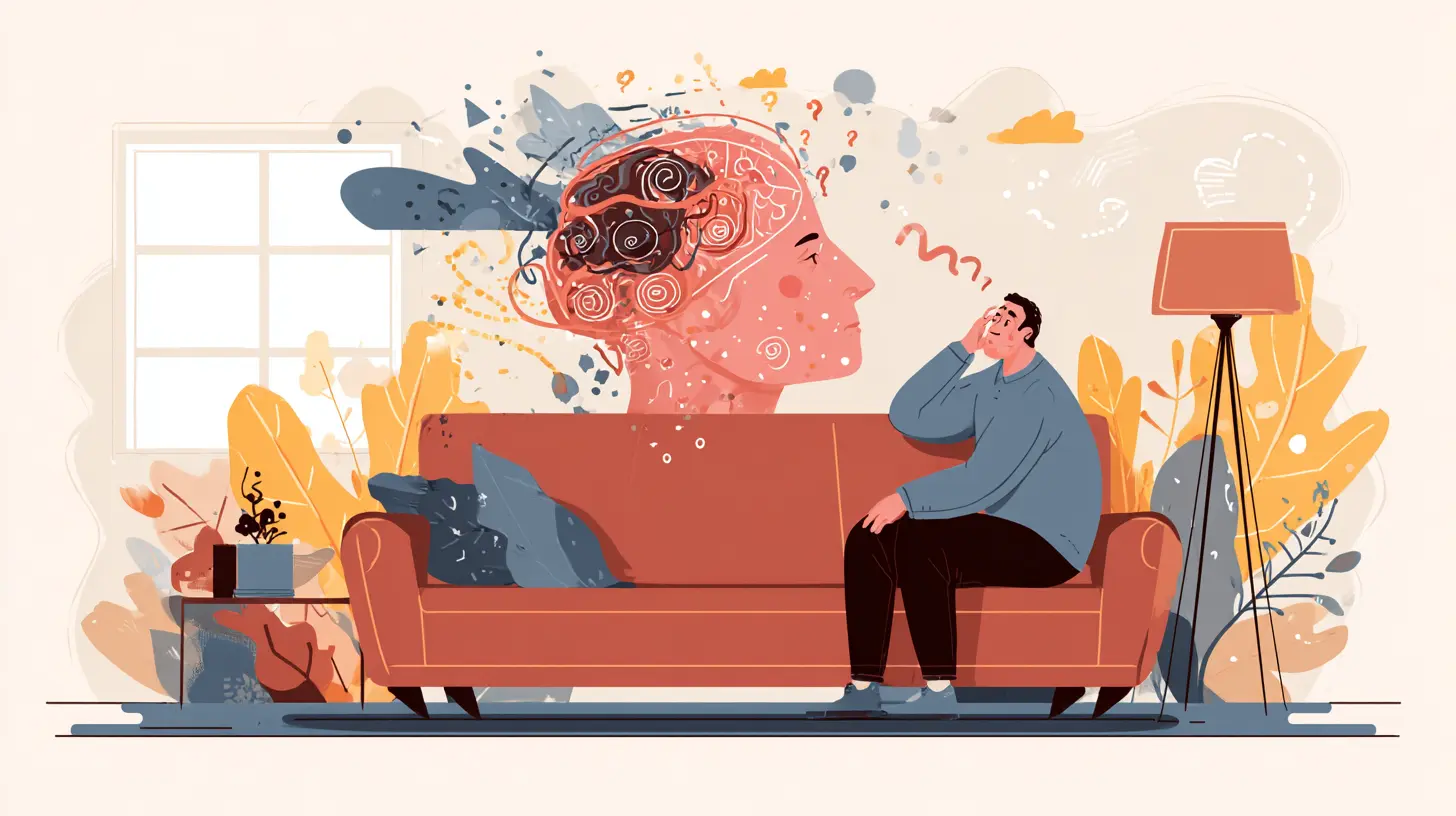
Common Physical Symptoms of Anxiety
Anxiety has a long list of physical symptoms. And the kicker? They can mimic symptoms of other health issues, which only makes the anxiety worse. It's a vicious circle. Here’s what anxiety can make your body do:1. Racing Heart and Chest Pain
Heart pounding so hard it feels like it might jump out of your chest? Yep, that’s anxiety. It can also cause chest tightness or pain, which sometimes feels eerily similar to a heart attack—cue the panic.2. Shortness of Breath
Feeling like you can’t catch your breath can be terrifying. Anxiety can make you breathe too quickly (hello, hyperventilation), which throws off your oxygen and carbon dioxide balance. That alone can make you dizzy or lightheaded.3. Stomach Troubles
Ever had a “nervous stomach?” There’s a reason for that. Anxiety messes with your gut big time—think nausea, cramps, heartburn, bloating, and even diarrhea. Your stomach is lined with neurons that talk directly to your brain, which is why it reacts so intensely.4. Muscle Tension and Aches
When you’re anxious, your muscles tense up like they’re bracing for impact. If this goes on for too long, you can end up with sore shoulders, neck pain, headaches, or even jaw clenching (yes, teeth grinding too).5. Fatigue and Insomnia
Ironically, anxiety is exhausting. Constant worry drains your energy, and if your mind doesn’t shut off at night, sleep becomes a real struggle. It’s a double whammy.6. Dizziness and Headaches
Blood pressure shifts caused by anxiety can lead to dizziness. Throw in tension headaches or even migraines, and you’re dealing with more than just emotional stress.7. Sweating, Shaking, and Tingling
Your body goes into overdrive trying to keep you “safe.” This might include sweating for no reason or feeling tingly in your arms or legs. You might even shake a little—common, but not fun.
Why It Feels Like You're Sick All The Time
One of the sneakiest tricks anxiety plays is convincing you that something must be seriously wrong with your health. You Google your symptoms (bad idea), and suddenly you’re spiraling, convinced it’s a heart attack, stroke, or some rare disease. Sound familiar?Anxiety-related physical symptoms often mimic other conditions. The fear of being sick actually makes the symptoms worse, which increases the anxiety. It’s like being stuck in a loop you can’t escape—a feedback loop from hell.
Anxiety vs. Physical Illness: How Can You Tell?
This is a common concern: How do you know if your symptoms are “just anxiety” or something more serious?Here’s the deal—only a doctor can rule things out with certainty. That said, anxiety symptoms tend to:
- Come and go, especially during times of stress
- Show improvement with relaxation techniques or distraction
- Get worse when you focus on them
- Be accompanied by classic anxiety thoughts (worry, irrational fears, racing thoughts)
If you’ve ruled out any underlying medical conditions, then it’s safe to say anxiety may be the culprit.
The Role of Health Anxiety
Let’s talk about health anxiety. It’s when you’re constantly worrying about your health to the point it consumes your life. Every ache, twitch, or flutter sends you into a spiral. You start scanning your body for signs that something’s wrong, which only intensifies the symptoms.This hyperawareness is what psychologists call “somatic amplification.” Basically, your brain’s running to worst-case scenarios, and your body’s like, “Oh, we’re worried? Better ramp up the symptoms!”
When Anxiety Becomes a Physical Disorder
In some cases, anxiety goes beyond occasional stress and becomes a chronic issue that physically takes over your life. A few examples include:- Panic Disorder: Sudden, intense panic attacks with physical symptoms like chest pain, dizziness, and a fear of dying.
- Generalized Anxiety Disorder (GAD): Chronic worry and physical symptoms that last for months.
- Social Anxiety Disorder: Physical reactions like blushing, sweating, or trembling in social situations.
These aren’t just personality quirks—they’re diagnosable conditions that deserve attention and care.
How To Treat the Physical Symptoms of Anxiety
Good news: You don’t have to just suck it up and live with this. There are plenty of ways to manage anxiety and reduce those uncomfortable physical symptoms.1. Cognitive Behavioral Therapy (CBT)
CBT is one of the most effective tools for tackling anxiety. It helps you break the cycle of anxious thoughts that lead to physical symptoms. You learn to challenge irrational fears and gradually change your response to stress.2. Mindfulness and Meditation
Getting grounded in the present moment can do wonders. Meditation, deep breathing, and body scans teach you to step back from your thoughts and calm your nervous system.3. Exercise
Exercise is basically a natural anti-anxiety pill. It burns off excess adrenaline, boosts endorphins, and improves sleep. A brisk walk, a quick jog, or even dancing in your room can help.4. Sleep Hygiene
Poor sleep fuels anxiety and vice versa. Try setting a regular sleep schedule, cutting screen time before bed, and winding down with calming routines like reading or gentle stretching.5. Medication
In some cases, medication might be necessary—especially for severe symptoms. Antidepressants, anti-anxiety meds, or beta-blockers (for physical symptoms like heart palpitations) can offer relief. Always consult a healthcare professional for the best path forward.6. Journaling and Self-Talk
Writing down your thoughts gets them out of your head and onto paper, which creates distance. Combine that with positive self-talk and affirmation, and you’re building mental muscle.7. Limiting Caffeine and Alcohol
Both can trigger or worsen anxiety symptoms. Caffeine amps up your nervous system, and alcohol messes with your mood and sleep. Consider cutting back if you notice symptoms flaring up.You're Not Alone: Anxiety Is Super Common
Here’s something super important to remember: You’re not alone. Millions of people experience anxiety daily. It doesn’t mean you're weak. If anything, living with anxiety and still showing up every day shows how strong you actually are.It’s okay to need help. It’s okay to talk about it. And it’s 100% okay to take steps toward feeling better—physically and mentally.
Final Thoughts
Anxiety doesn’t just live in your head—it often occupies your whole body. From a twisting stomach to a pounding heart, the physical symptoms of anxiety are real, valid, and very common. Understanding the link between your mental state and your physical health is the first step toward taking back control.If you’ve been struggling with physical symptoms and haven’t found a medical cause, it might be time to look inward. Anxiety could be playing a bigger role than you realized. And the beautiful part? Once you understand it, you can learn to manage it. And trust me—you’ve got this.
all images in this post were generated using AI tools
Category:
Mind And Body ConnectionAuthor:

Alexandra Butler
Discussion
rate this article
1 comments
Opal Martin
Understanding the connection between anxiety and physical symptoms is crucial for effective mental health treatment.
August 6, 2026 at 4:35 AM