Empathy in the Workplace: Fostering a Culture of Understanding
12 June 2026
Let’s be real—work isn’t just about paychecks, emails, and deadlines. It’s about people. And people, as wonderful and frustrating as they are, need empathy to truly thrive in a workplace.
Gone are the days when the job was just “work hard, get paid, rinse and repeat.” Modern workplaces have evolved, and with that evolution comes the need for emotional intelligence.
So, how do we create a workplace where empathy isn’t just a buzzword thrown around in corporate meetings but an actual core value? Let’s dive in.
What Is Empathy, and Why Does It Matter at Work?
Empathy is the ability to step into someone else’s shoes—without actually stealing them from under their desk. It’s about understanding others’ feelings, perspectives, and struggles.At work, empathy means more than just nodding along when a colleague vents about their chaotic Monday morning. It’s about truly getting where they’re coming from and responding in a way that makes them feel heard and valued.
And why does this matter? Because employees aren't robots (at least, not yet). Workplaces with high empathy levels tend to have better communication, increased job satisfaction, and—surprise!—higher productivity. 
The Science Behind Workplace Empathy
Empathy isn’t just a warm-and-fuzzy concept—it’s backed by solid neuroscience. The human brain has these handy little things called mirror neurons that fire when we observe someone else’s emotions or actions.In simple terms, when you see a coworker stressing out over a tight deadline, your brain (if it's functioning properly) will recognize their stress and trigger a response. This connection is what makes us capable of understanding and supporting others.
Scientists have also found that empathetic workplaces lead to lower employee burnout, increased loyalty, and even higher profits. It turns out that being a decent, understanding human pays off—literally.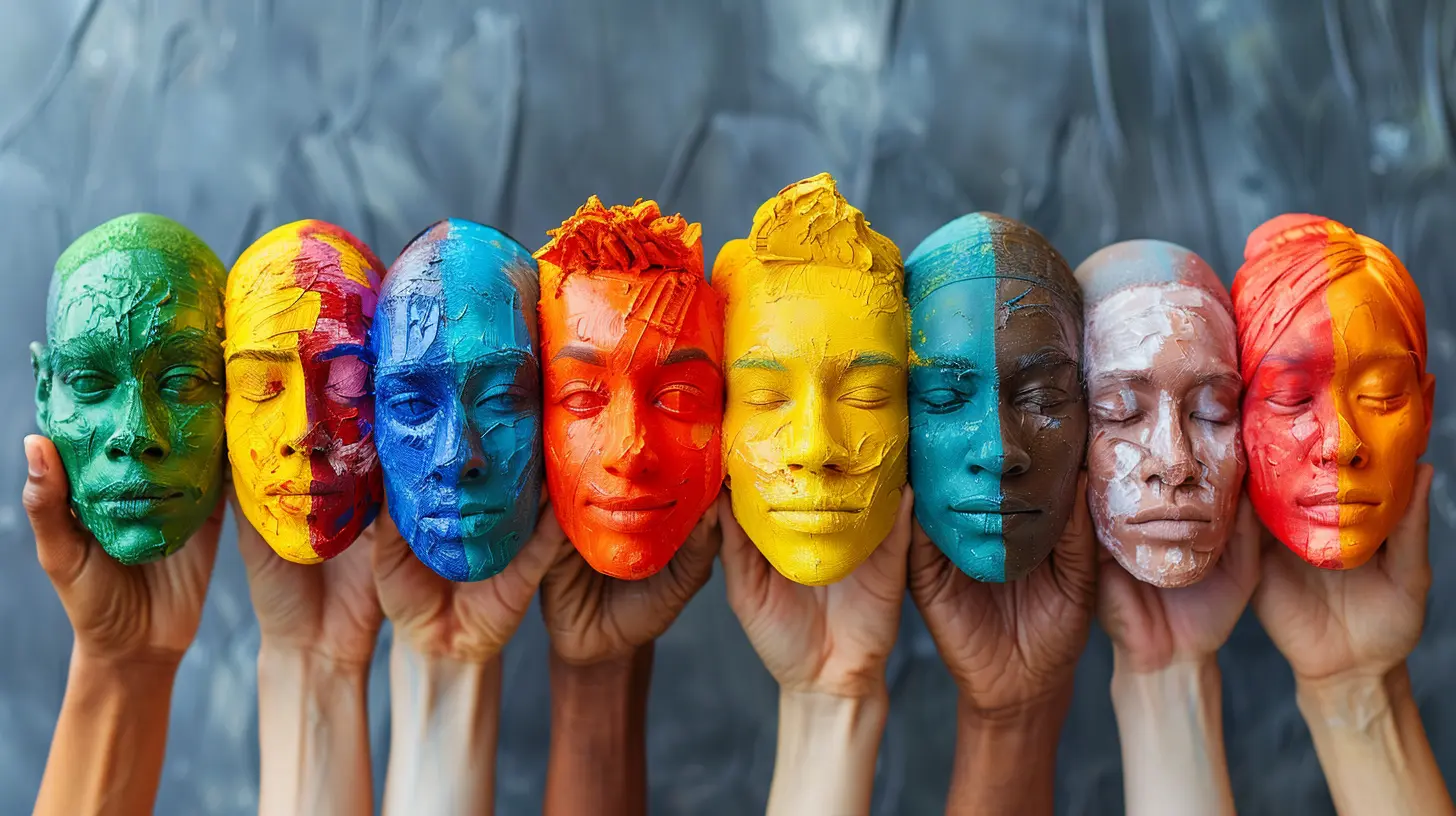
The Signs of an Empathetic Workplace
So, how do you know if your workplace embodies empathy? Here are a few telltale signs:1. People Actually Listen
In an empathetic workplace, conversations don’t feel like a game of verbal ping-pong. People genuinely listen rather than just waiting for their turn to speak.2. Employees Feel Safe to Express Their Feelings
If people can openly discuss stress, burnout, or struggles without fear of judgment or backlash, you’re in a workplace that values emotional well-being.3. Leaders Lead with Understanding, Not Just Authority
Good leaders don’t just bark orders like drill sergeants. They check in on employees, offer support, and create an environment where people feel valued.4. Collaboration Thrives (Instead of Cutthroat Competition)
Empathetic workplaces promote teamwork over toxic competitiveness. People are more likely to help each other succeed rather than hoard information to get ahead.5. Work-Life Balance Is Encouraged, Not Just Talked About
A workplace that respects boundaries and personal time is one that understands that employees have lives outside of work (yes, even Steve from accounting).
How to Foster More Empathy in Your Workplace
Want to turn your workplace into an empathy powerhouse? It’s simpler than you think.1. Encourage Open Communication
Start with the basics—let people talk! Create an environment where employees feel comfortable sharing their thoughts, concerns, and ideas.Tip: Regular one-on-one check-ins can work wonders. A simple “How are you feeling?” can make a huge difference.
2. Practice Active Listening
Don’t just hear—listen. Maintain eye contact, nod occasionally, and respond thoughtfully. Ditch the urge to check emails mid-conversation (yes, we see you).3. Lead by Example
If you’re in a leadership role, your behavior sets the tone. Show understanding, check in with your team, and acknowledge their challenges. Your empathy will trickle down.4. Encourage Team Bonding (Without It Feeling Forced)
Skip the awkward trust falls. Instead, incorporate casual team activities where people can connect naturally—think coffee chats, lunches, or even a low-stakes trivia game.5. Recognize and Celebrate Emotional Intelligence
Instead of only praising hard skills, acknowledge emotional intelligence too. Publicly appreciating acts of kindness and empathy reinforces the workplace culture you want.6. Offer Mental Health Support
Providing access to mental health resources, flexible work arrangements, or wellness programs shows employees that their well-being matters.7. Give People the Benefit of the Doubt
Got a coworker who seems unusually short-tempered? Instead of assuming they’re just a jerk, consider that they might be dealing with personal issues. A little patience and understanding can go a long way.The Ripple Effect of Workplace Empathy
Here’s the magic of empathy—it’s contagious (in a good way, not in a “we-all-have-the-same-cold-now” way). When people feel understood and valued, they’re more likely to extend the same kindness to others.The result? A workplace where people support each other rather than just coexist. Productivity soars, engagement improves, and even company culture benefits in the long run.
When people feel psychologically safe, they’re willing to take creative risks, share ideas, and collaborate more effectively. Simply put: empathy isn’t just a “nice-to-have”—it’s essential for business success.
The Bottom Line
Empathy in the workplace isn’t just about being "nice"—it’s about fostering an environment where people feel seen, heard, and valued. It’s the secret ingredient to better teamwork, improved morale, and higher productivity.So, whether you’re a leader, a team player, or somewhere in between, start practicing empathy today. Your coworkers (and probably your stress levels) will thank you for it.
Now, go forth and make your workplace a little more human!
all images in this post were generated using AI tools
Category:
EmpathyAuthor:

Alexandra Butler
Discussion
rate this article
1 comments
Solaria Cox
Empathy transforms workplaces into supportive and thriving communities... love it!
June 28, 2026 at 4:31 PM