Empathy and Animal Welfare: Expanding Compassion Beyond Humans
26 January 2026
When we talk about empathy, we often think about our relationships with other people—our ability to understand and share emotions with friends, family, and even strangers. But what about animals? Can we extend our compassion beyond humans and include the countless creatures that share our planet?
The connection between empathy and animal welfare is a fascinating and important topic. How we treat animals says a lot about us as individuals and as a society. In this article, we’ll dive deep into the role of empathy in animal welfare, why it matters, and how we can nurture a more compassionate world for all living beings.
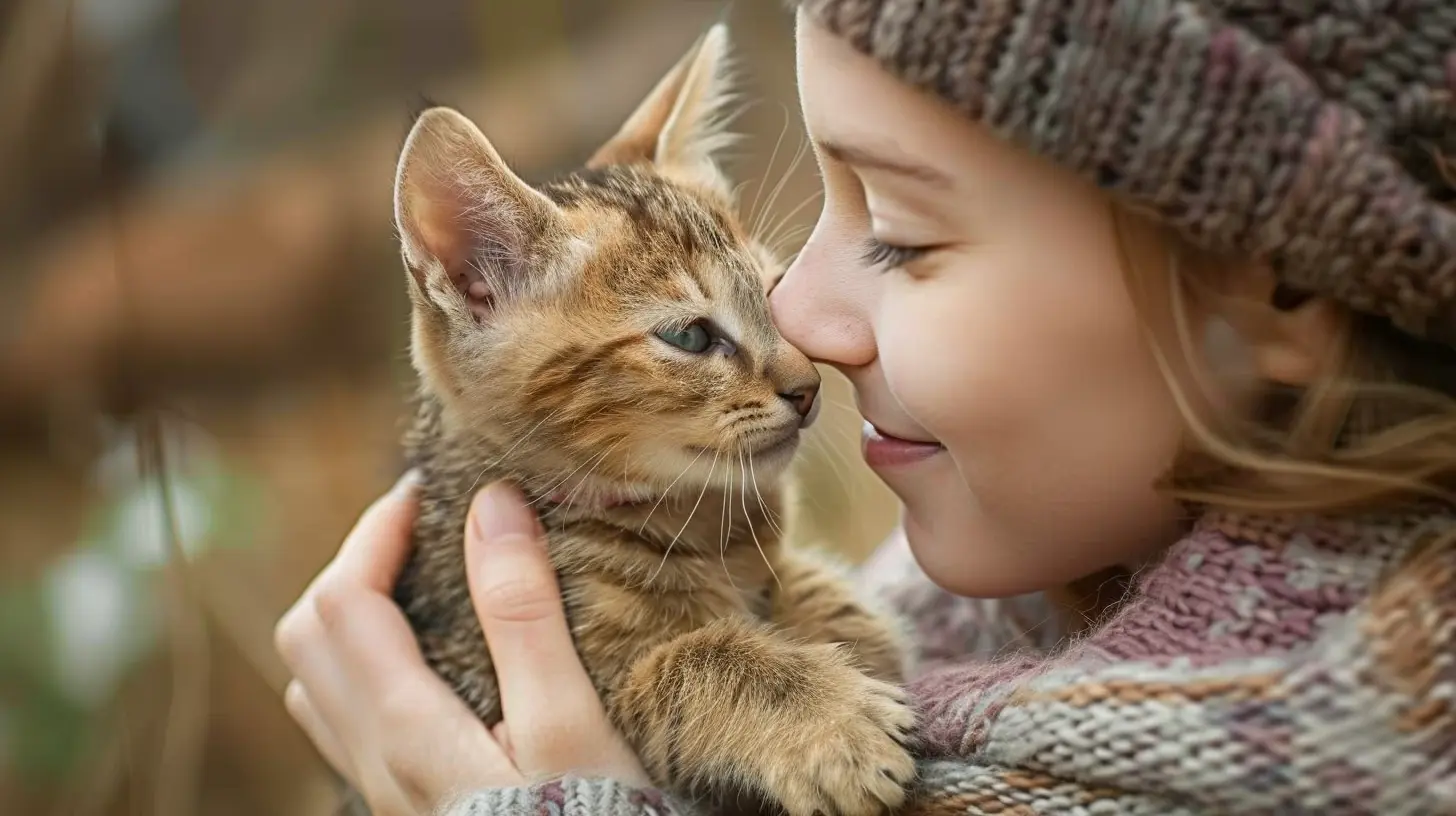
What Is Empathy?
Before we explore how empathy relates to animal welfare, let’s break down what empathy actually means. In simple terms, empathy is the ability to understand and feel what another being is experiencing. This emotional connection allows us to respond with kindness, care, and concern.Psychologists generally describe empathy in two main forms:
1. Cognitive Empathy – The ability to understand what someone else might be feeling or thinking.
2. Emotional Empathy – The ability to actually feel what another being is experiencing.
Both forms of empathy play a crucial role in our interactions—not just with humans, but with animals as well.
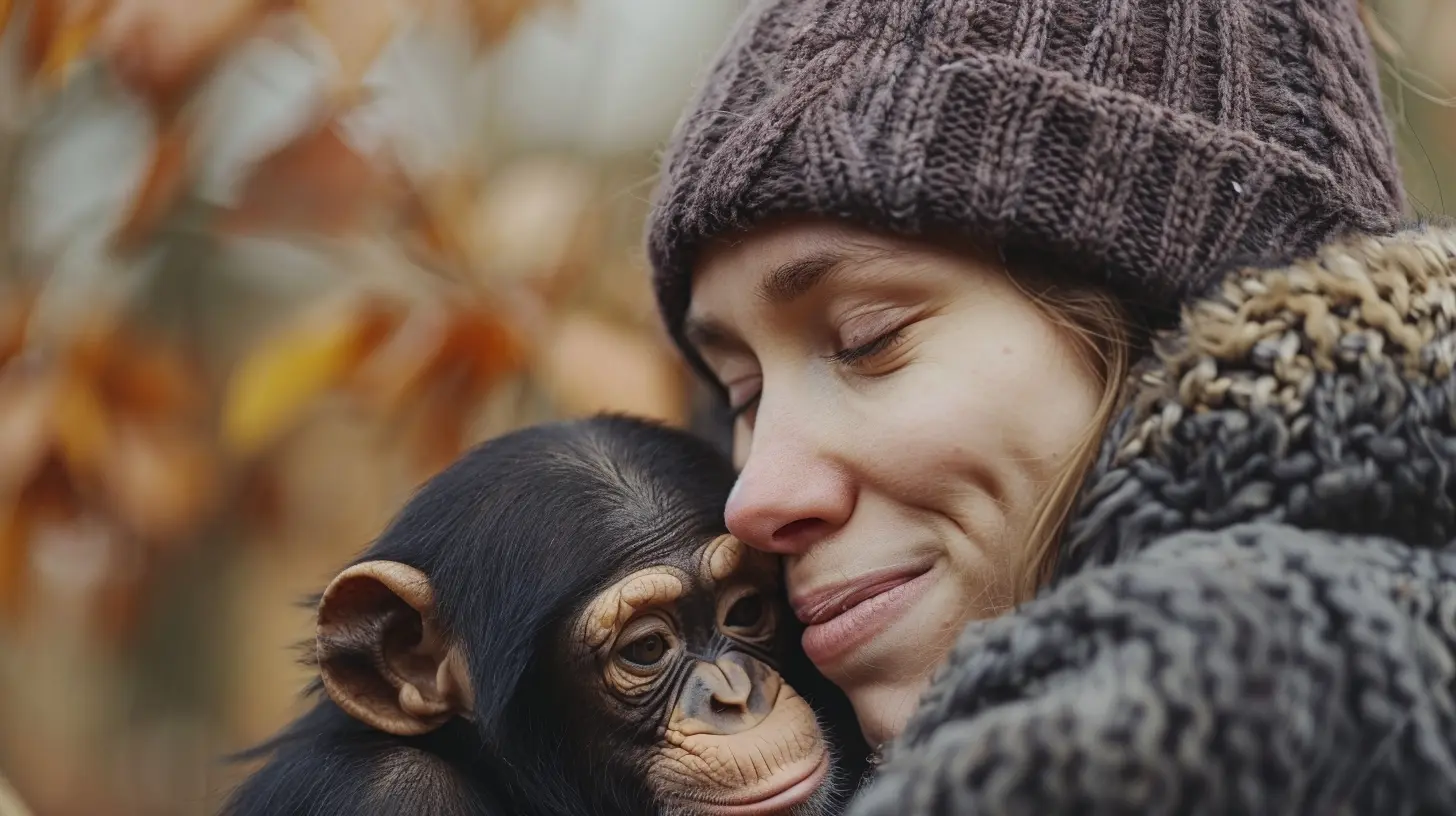
The Link Between Empathy and Animal Welfare
Have you ever watched a video of a dog being rescued and felt a lump in your throat? Or seen a stray cat shivering in the cold and instinctively wanted to help? That’s empathy in action. Our emotions don’t just respond to human suffering—they extend to animals, too.Animal welfare is all about ensuring that animals are treated with respect, kindness, and proper care. This includes everything from preventing cruelty and abuse to creating environments where animals can live healthy, fulfilling lives. But why does empathy matter so much in this?
1. Empathy Drives Ethical Treatment of Animals
When people have a strong sense of empathy, they’re more likely to oppose animal cruelty and support humane treatment. For example, those who empathize with farm animals may choose to adopt plant-based diets or advocate for better farming conditions. Similarly, people who relate to their pets’ emotions are more likely to ensure they receive proper care and love.2. Empathy Challenges Harmful Practices
Empathy makes us question long-standing practices that harm animals. Activities like trophy hunting, animal testing, and factory farming often continue because people detach themselves emotionally. But when we put ourselves in an animal’s position, it’s harder to ignore their suffering.3. It Encourages Responsible Pet Ownership
Millions of pets suffer from neglect every year. Some are abandoned, while others are mistreated or kept in inadequate living conditions. When people understand that animals experience emotions like fear, loneliness, and affection, they’re more likely to provide proper care for their pets.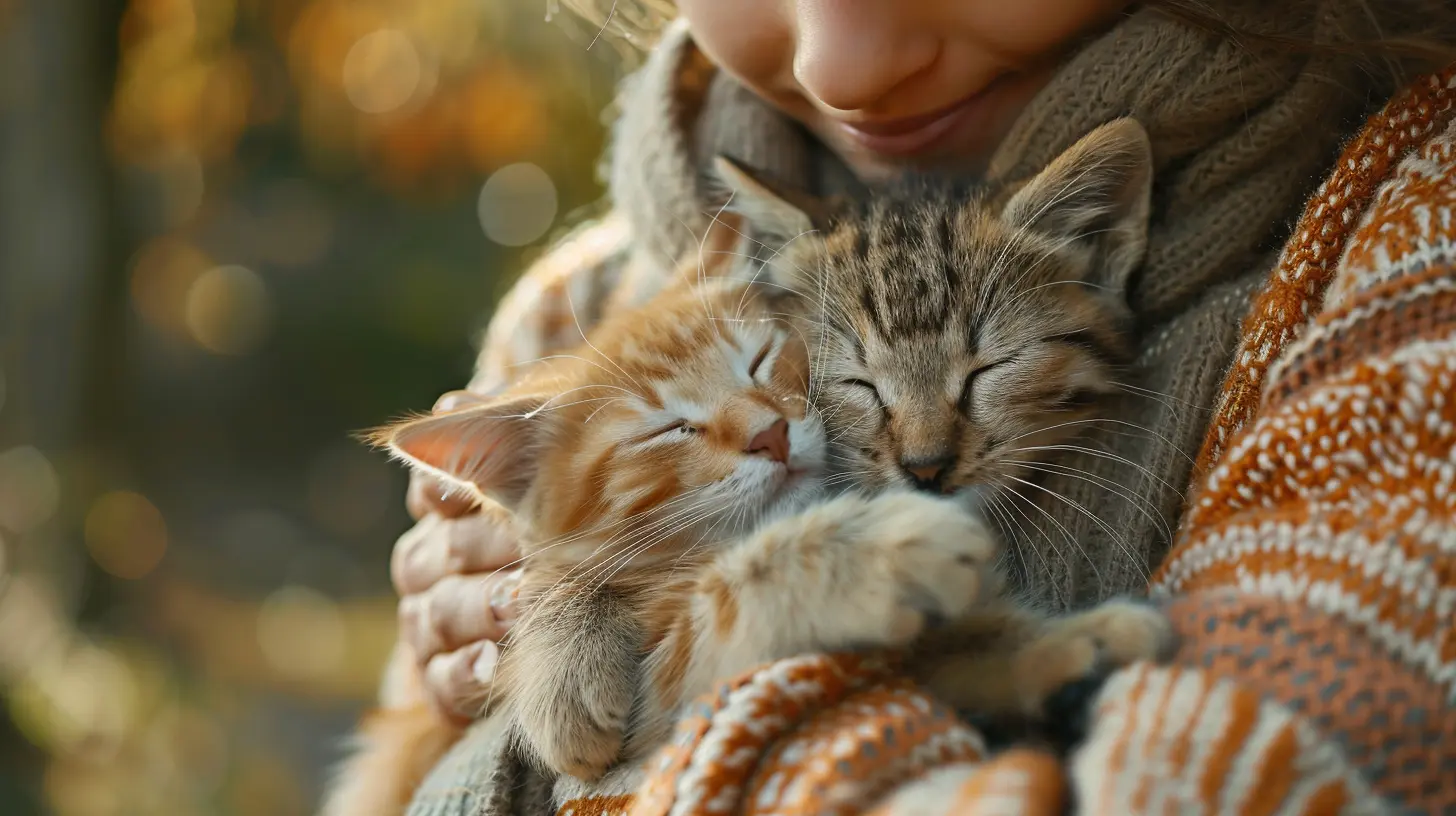
The Science Behind Empathy for Animals
So, why do some people feel deep empathy for animals while others seem indifferent? Neuroscience offers some interesting insights.Studies have shown that the same parts of the brain that activate when we empathize with humans also light up when we empathize with animals. A study from the University of Vienna, for example, revealed that pet owners experience similar emotional brain responses when looking at their pets as they do when looking at their children.
Additionally, some people are naturally more empathetic due to their genetics, upbringing, and personal experiences with animals. Those who grow up with pets or in environments where animal welfare is emphasized tend to develop stronger empathetic connections with animals.
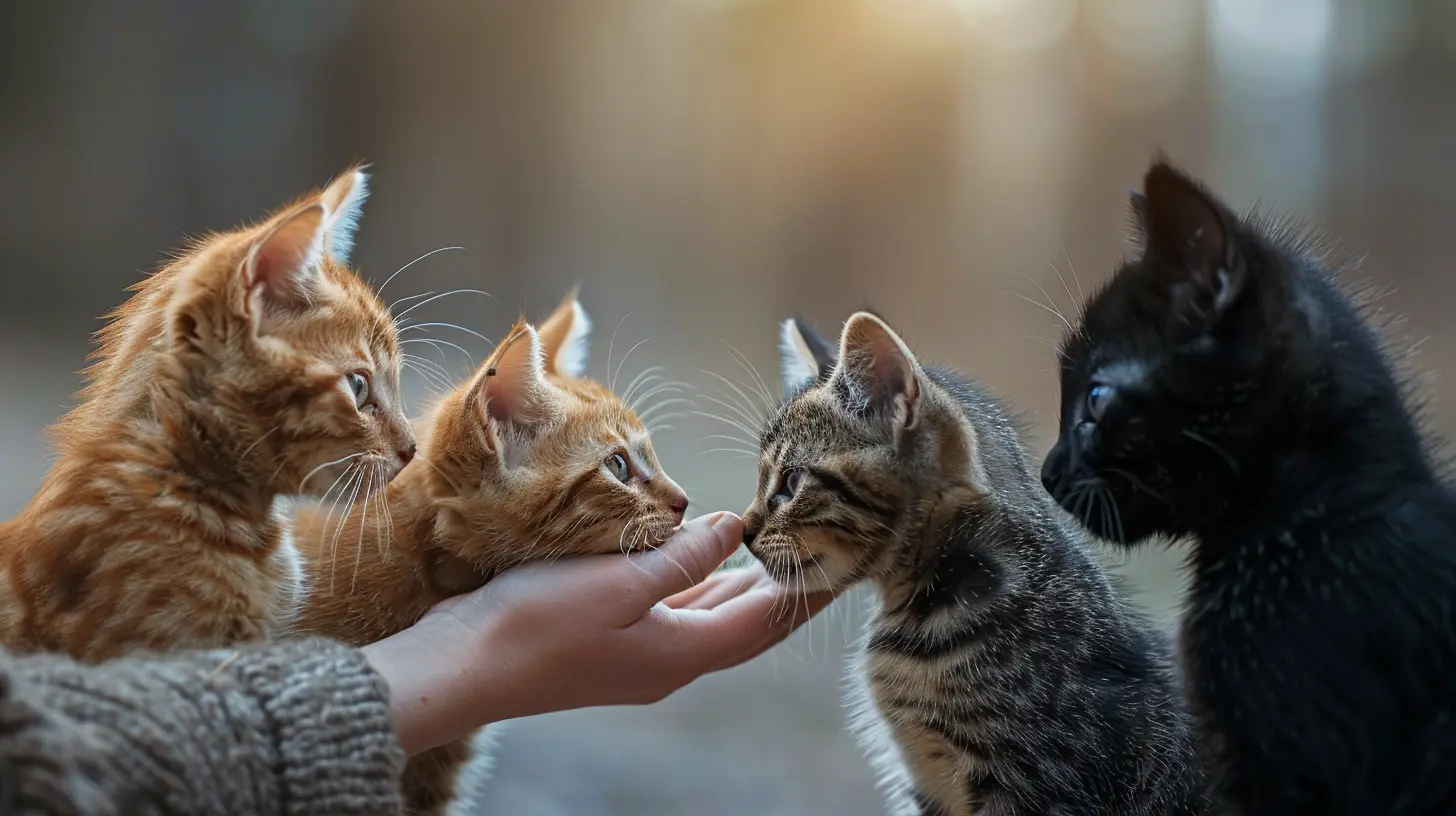
Barriers to Empathy for Animals
Despite our natural capacity for empathy, there are barriers that prevent many people from extending their compassion to animals. Some of these include:- Cultural Norms – In some societies, certain animals are seen as inferior or only valuable for their utility.
- Psychological Distance – Many people don’t interact with farm animals or wild animals firsthand, making it harder to empathize with them.
- Desensitization – People exposed to violence against animals (such as in industries involving animal exploitation) may become numb to their suffering.
Breaking down these barriers requires education, awareness, and personal reflection.
Ways to Strengthen Empathy for Animals
If we want a more compassionate world, we need to nurture our empathy for animals. Here are a few ways to do that:1. Spend Time with Animals
Interacting with animals—whether through pet ownership, volunteering at shelters, or visiting sanctuaries—helps build emotional connections. The more time we spend with animals, the more we recognize their individuality and emotions.2. Educate Yourself About Animal Sentience
Science has shown that animals experience pain, joy, fear, and social bonds. Learning about animal cognition and emotions can deepen our empathy and encourage ethical treatment.3. Watch Thought-Provoking Documentaries
Films like Blackfish, Cowspiracy, and The Cove expose the realities of how animals are treated in different industries. These documentaries often shift perspectives and inspire action.4. Practice Mindful Consumption
Our daily choices—such as what we eat, wear, and buy—impact animal welfare. Opting for cruelty-free products, plant-based foods, and ethical brands can make a huge difference.5. Advocate for Policy Changes
Supporting laws and policies that protect animal rights is a powerful way to promote a more empathetic world. Whether it’s signing petitions, voting for animal-friendly legislation, or supporting animal welfare organizations, collective action matters.
Why Empathy for Animals Benefits Humans Too
Interestingly, showing compassion toward animals doesn’t just help them—it benefits us as well. Studies reveal that people who are kind to animals tend to be more empathetic in general. This improves relationships, emotional intelligence, and even mental health.Moreover, societies that prioritize animal welfare often have stronger ethical values overall. When we emphasize kindness and respect in one area, it naturally extends to other areas of life.
Final Thoughts
Empathy shouldn’t be limited to just human interactions. Animals are sentient beings with emotions, needs, and the ability to experience suffering and joy. By expanding our compassion beyond humans, we create a world that is not only kinder to animals but also more humane as a whole.If you’ve ever felt a connection with an animal—whether through a pet, a wildlife encounter, or even a heartwarming video—know that your empathy matters. It has the power to inspire change, challenge outdated practices, and make the world a more compassionate place for all.
all images in this post were generated using AI tools
Category:
EmpathyAuthor:

Alexandra Butler
Discussion
rate this article
2 comments
Mabel Riley
This article effectively highlights the importance of empathy towards animals, emphasizing that compassion should extend beyond humans. It’s crucial for fostering a more humane and ethical society for all sentient beings.
February 21, 2026 at 3:24 AM
Alexandra Butler
Thank you for your thoughtful comment! I'm glad you found the article resonant in promoting compassion for all sentient beings.
Amanda McVaney
Because who doesn't love a guilt trip about pets?
January 29, 2026 at 3:24 PM
Alexandra Butler
It's true, sometimes a little guilt can spark action for those who need it most. Compassion for all beings is worth embracing.