Emotional Intelligence Trends to Watch in 2027
17 April 2026
Let’s be honest for a second. When you hear “Emotional Intelligence” or EQ, what comes to mind? Maybe it’s that overly earnest workshop you had to sit through at work, or perhaps a vague notion of being “good with people.” For a long time, EQ felt like a soft skill—nice to have, but hardly essential. But my friends, the tide has turned, and it’s turning faster than ever. We’re standing at the edge of a new frontier where understanding emotions isn’t just about personal growth; it’s becoming the critical interface between humans, technology, and a rapidly changing world. So, what does the near future hold? By 2027, emotional intelligence won’t just be a trend; it will be the operating system for a functional society. Let’s dive into the honest, reflective, and frankly, fascinating trends that will define this space in just a few short years.

From Soft Skill to Core Infrastructure: Why EQ is the New IQ
Think of society like a complex machine. For decades, we prized IQ—the raw computational power, the logic chips, the processing speed. And that got us far. But we’re now realizing that this machine is overheating, grinding, and sparking because we neglected the wiring, the coolant, the subtle feedback systems. That’s EQ. It’s the emotional circuitry that allows the whole system to run smoothly without burning out. By 2027, this won’t be a poetic metaphor; it will be a practical reality embedded in our schools, workplaces, and technologies. We’re moving beyond simply recognizing EQ’s importance to architecting our lives around it. The question is no longer "Do you have it?" but "How is it integrated into your daily function?"The Quantified Self 2.0: Biometric Feedback Loops
You’ve heard of fitness trackers monitoring your steps and heart rate. Welcome to the next generation: the emotion tracker. By 2027, wearable technology will have evolved far beyond basic heart rate variability (HRV). We’ll see widespread, non-invasive use of sensors that measure subtle changes in skin conductance, vocal tone analysis in real-time, and even pupillometry via smart glasses. This isn’t about spying on your feelings; it’s about creating a personal feedback loop.Imagine your device gently nudging you: “Your physiological signs suggest rising frustration. You’ve been debugging this code for 90 minutes. Consider a 10-minute walk in nature.” This trend moves EQ from the realm of the abstract and subjective (“I feel stressed”) to the objective and actionable (“My cortisol biomarker spike suggests a stress response; here are three personalized de-escalation techniques”). The peril here is obvious—do we become slaves to our own biometrics?—but the promise is a profound level of self-awareness previously reserved for years of therapy or meditation. It’s like having a mirror that doesn’t just show your face, but reflects your emotional weather patterns, helping you prepare for the internal storm before the first drop of rain falls.
AI as an EQ Coach: The Rise of Empathetic Algorithms
This is perhaps the most paradoxical and explosive trend. We’re terrified of emotionless AI, yet we’re actively developing AI to teach us about emotion. By 2027, AI-powered coaching platforms will be commonplace. These won’t be chatbots that parrot pre-written empathy lines. They will be sophisticated systems trained on massive datasets of human interaction, capable of analyzing your communication patterns—in emails, meeting transcripts (with consent), and even virtual calls.Think of it as a personalized, always-available EQ gym. The AI might review a difficult conversation you had and point out: “You used the word ‘but’ eight times after your colleague expressed concern, which often negates their point. Here’s how to rephrase using ‘and’ to build connection.” It could run simulated high-stakes conversations with you, adapting the virtual counterpart’s emotional responses in real-time. The goal isn’t to replace human connection but to provide a safe, private sandbox to practice and fail. It’s like a flight simulator for your social skills, preparing you for turbulent interpersonal moments before you’re in the actual cockpit.

The Workplace Reimagined: Emotional Debt as a Critical Metric
The Great Resignation and the quiet quitting phenomenon were, at their core, massive statements of emotional debt. People were overdrawn, and they simply walked away from the bank. By 2027, forward-thinking organizations will treat emotional debt with the same seriousness as financial debt. This will manifest in tangible, measurable ways.Managerial Dashboards for Team Sentiment
Leaders won’t just have KPIs for sales and productivity; they’ll have authenticated, anonymized dashboards for team psychological safety, collective resilience, and emotional friction points. Regular, short-form “pulse checks” powered by sentiment analysis will replace dreaded annual engagement surveys. The focus will shift from “How happy are you?” to “What emotional barriers are preventing your best work?” and “Do you feel safe to express dissent?” Managers will be evaluated and trained not just on output, but on their ability to cultivate and maintain their team’s emotional capital. It’s the difference between judging a gardener by how many flowers they cut (output) versus by the health and richness of the soil they nurture (emotional infrastructure).The Chief Emotional Officer (CeO): A C-Suite Reality
It sounds futuristic, but it’s a logical progression. We have CFOs for financial health and CTOs for technological health. Why not a CeO for human, emotional health? By 2027, this role will emerge in human-centric organizations. This executive’s mandate will be to audit processes, policies, and cultures for their emotional impact. Is that quarterly planning cycle causing unsustainable spikes in anxiety? Is the promotion structure creating toxic rivalry instead of collaborative ambition? The CeO will own the strategy for reducing emotional debt across the organization, ensuring that human sustainability is baked into the business model, not just plastered over it with free pizza on Fridays. They will be the guardian of the company’s emotional operating system.
The Education Revolution: EQ as a Core Curriculum Standard
Our education systems have been factories for cognitive intelligence. By 2027, the blueprint will be radically redesigned to bake EQ into the foundation, right alongside math and literacy.Social-Emotional Learning (SEL) Integrated into Every Subject
Math class won’t just be about solving for x; it will involve collaborative problem-solving where managing frustration and valuing diverse solution paths is part of the grade. History will involve deep exercises in perspective-taking, emotionally stepping into the shoes of figures from all sides of a conflict. This integrated approach normalizes emotional skill-building as part of learning itself, not a separate, “special” class. It teaches kids that understanding the emotional landscape of a quadratic equation group project is as important as finding the correct vertex.Assessment Overhaul: The EQ Portfolio
Standardized tests for emotional intelligence will remain controversial and likely flawed. The trend will be towards the “EQ Portfolio.” From a young age, students will curate evidence of their emotional growth: reflections on conflict resolution, peer feedback, records of community projects, and self-analysis of their responses to challenges. This portfolio, reviewed qualitatively, will tell a richer story than any single score ever could. It values the journey, not just a snapshot, framing emotional growth as a lifelong practice, not a fixed trait.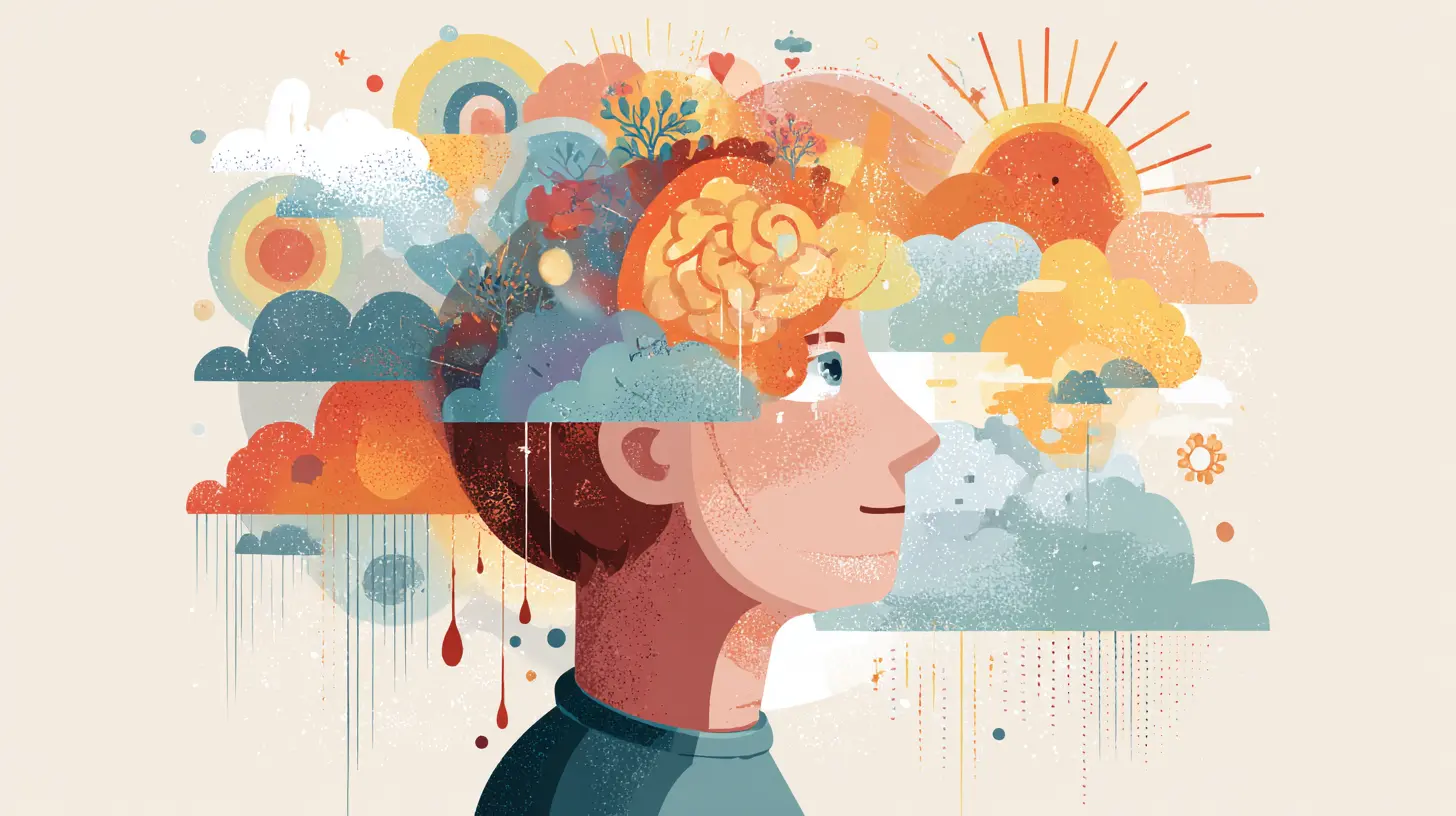
The Dark Side & Ethical Quagmires: Navigating the EQ Frontier
We can’t gaze at this future with starry-eyed optimism. Every one of these trends has a shadow. The biometric data from our emotion trackers will be a goldmine for corporations and potentially oppressive regimes. Will insurance premiums be affected by your “emotional volatility” scores? Could AI coaching be used to train people to be manipulatively persuasive? The line between empathetic AI and emotionally manipulative AI is terrifyingly thin.Furthermore, the cultural context of emotions is immense. An algorithm trained primarily on Western, individualistic emotional expressions might pathologize more collectivist, restrained emotional styles. The push for constant emotional awareness could lead to a new form of anxiety—meta-emotion, where we’re so busy analyzing our feelings that we never actually experience them. It’s like a photographer at a beautiful sunset, so obsessed with adjusting the camera settings they never look up to see the actual sky.
Conclusion: The Human Heart in a Digital Age
So, where does this leave us as we look toward 2027? The overarching trend is clear: emotional intelligence is being operationalized, quantified, and integrated. It’s moving from the fringe to the core. This can feel cold and technological, but its ultimate goal is profoundly human: to reduce suffering, enhance connection, and allow human potential to flourish.The challenge for each of us will be to engage with these tools without outsourcing our inner wisdom. To use the biometric feedback without becoming a robot to our own data. To learn from an AI coach while cherishing the messy, imperfect empathy of a real friend. The technologies of 2027 will give us unprecedented maps of our emotional world, but we must still be the ones to walk the terrain, feel the rain on our skin, and choose our path. The future of EQ isn’t about becoming emotionally perfect beings monitored by machines. It’s about using every tool at our disposal to become more authentically, compassionately, and resiliently human. And that’s a trend worth watching, and more importantly, worth building.
all images in this post were generated using AI tools
Category:
Mood And EmotionsAuthor:

Alexandra Butler
Discussion
rate this article
1 comments
Wren McKale
This article offers a compelling glimpse into the future of emotional intelligence. The trends highlighted suggest a growing emphasis on empathy and digital emotional skills, which are crucial for personal and professional development in an evolving landscape.
April 28, 2026 at 5:06 AM
Alexandra Butler
Thanks for your insights! I'm glad you found the trends on empathy and digital skills compelling. They really are vital for our future.