Emotional Intelligence and Decision-Making: How Emotions Shape Choices
8 April 2026
Ever wondered why some people seem to make amazing decisions effortlessly while others struggle? It all comes down to emotional intelligence (EI). Our emotions have a massive impact on the way we think, react, and choose. Whether it’s deciding on a career change, handling a conflict, or even picking what to eat for dinner, emotions play a powerful role.
So, how exactly does emotional intelligence affect decision-making? Let's dive deep into this connection and see how mastering your emotions can lead to smarter, more confident choices.
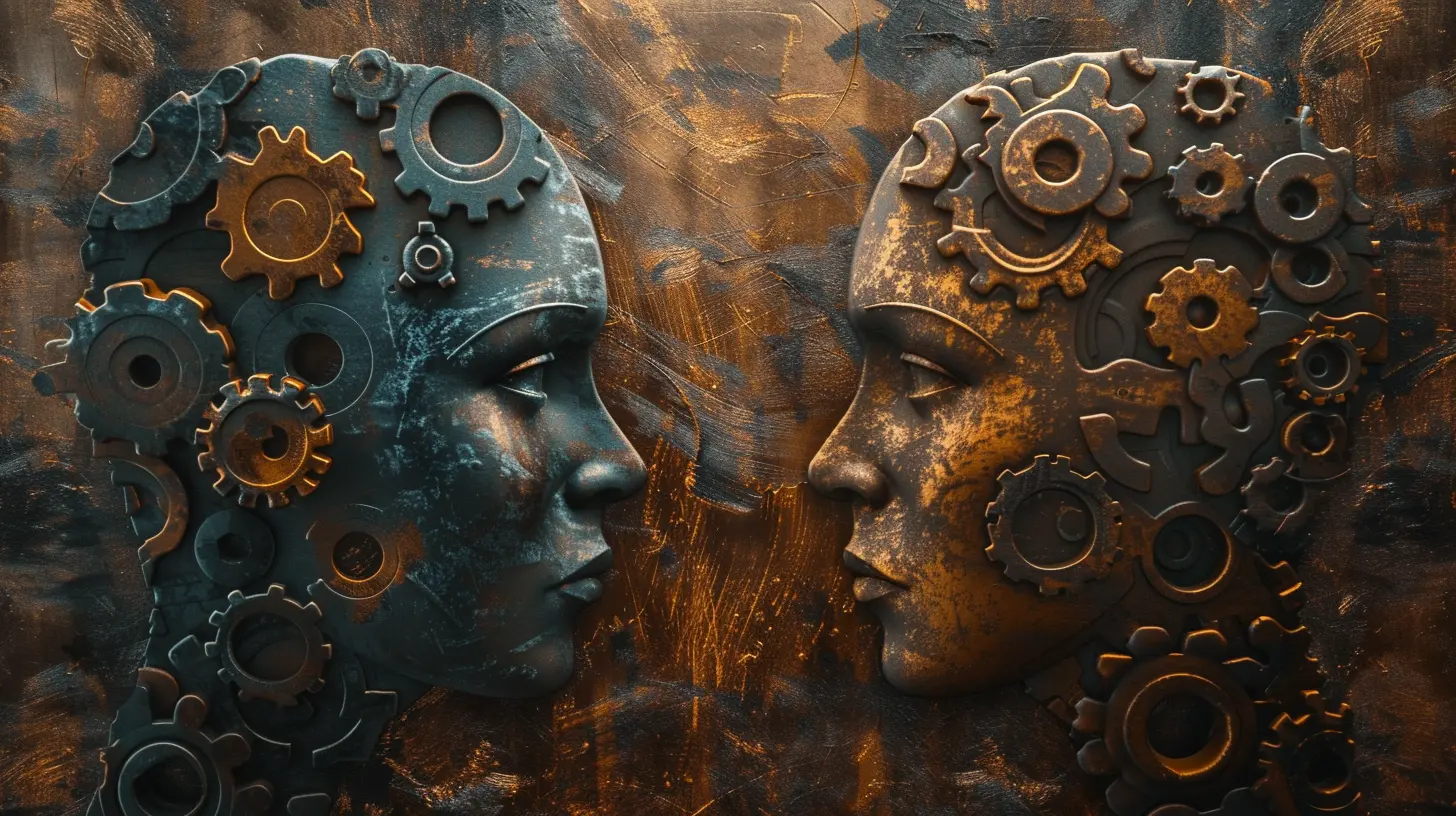
What Is Emotional Intelligence?
Before we explore how emotions shape decisions, let’s clarify what emotional intelligence actually is. Emotional intelligence is the ability to recognize, understand, and manage not only your own emotions but also the emotions of others. It consists of five key components:1. Self-awareness – Recognizing your own emotions and how they affect your thoughts and behavior.
2. Self-regulation – Managing emotions in a healthy way, rather than allowing them to take control.
3. Motivation – Using emotions to fuel personal and professional growth.
4. Empathy – Understanding the emotions of others and responding appropriately.
5. Social skills – Building strong relationships and effectively navigating social situations.
When these components are well-developed, decision-making becomes more balanced, thoughtful, and effective.
How Emotions Influence Decision-Making
Our emotions guide, distort, and sometimes completely control our decision-making process. They can push us to act impulsively or freeze us in analysis paralysis. But when used correctly, emotions can become valuable decision-making tools.1. Emotions Provide Valuable Information
Have you ever had a gut feeling about something? That’s your emotional intelligence at work. Emotions are signals from your brain, telling you whether something is right or wrong. For example, if you feel uneasy about a job offer, it might be your mind warning you about potential issues.Instead of ignoring emotions, listen to them. They often provide insights that logic alone cannot.
2. Self-Awareness Prevents Emotional Overreactions
Ever made a decision in the heat of the moment and regretted it later? That’s what happens when emotions take over without self-awareness. High emotional intelligence helps you recognize when emotions are clouding your judgment.For example, if you're angry, you might be tempted to send an aggressive email. But if you pause, acknowledge your emotion, and wait until you cool down, you’ll likely respond more reasonably.
3. Emotional Regulation Reduces Impulsive Choices
Self-regulation is a superpower when it comes to decision-making. It prevents impulsive reactions and allows you to think before you act.Think of decision-making like driving a car. If emotions take control, it's like driving with a jammed accelerator—you might crash. But when you regulate emotions, you have control over your speed, direction, and destination.
4. Empathy Creates Better Social Decisions
Whether it's personal relationships or workplace dynamics, understanding others' emotions helps you make thoughtful, fair decisions. A leader with strong emotional intelligence, for example, will consider their team’s emotions when making changes rather than making purely profit-driven choices.So, next time you’re in a conflict, try putting yourself in the other person’s shoes. Emotionally intelligent decisions come from understanding both perspectives.
5. Positive Emotions Promote Creativity
Ever notice that when you're in a good mood, you’re more creative and open-minded? Positive emotions expand your thinking, helping you come up with innovative solutions.On the flip side, negative emotions like fear and stress can make you overly cautious, preventing you from seeing opportunities clearly. Balancing emotions creates the right mindset for making confident, calculated decisions.
The Role of Emotional Intelligence in Everyday Decisions
1. Career Choices
Choosing the right career is one of the biggest decisions in life. Emotional intelligence helps by aligning your passions, strengths, and goals with your choices. Instead of picking a job based on salary alone (which can lead to burnout), emotionally intelligent individuals choose careers that bring fulfillment and satisfaction.2. Financial Decisions
Money choices often stir up fear, greed, and excitement—all powerful emotions that can lead to bad decisions. Emotional intelligence helps you stay cool-headed and avoid reckless spending or risky investments. It also encourages financial decisions based on long-term benefits rather than short-term gratification.3. Relationships
Ever had a conversation that escalated into an argument because emotions got in the way? Emotional intelligence helps you communicate effectively, resolve conflicts, and build stronger relationships. Whether it's with friends, family, or a romantic partner, emotionally intelligent decisions create healthier, more meaningful connections.4. Health and Well-being
Making healthy choices isn’t just about logic—emotions play a huge role, too. Stress, boredom, and frustration often lead to unhealthy habits like overeating or skipping workouts. Emotional intelligence helps you recognize these emotional triggers and make better choices for your overall well-being.
Tips to Strengthen Emotional Intelligence for Better Decision-Making
Want to improve emotional intelligence and make better decisions? Here are some simple yet effective strategies:1. Practice Self-Reflection
Spend time analyzing your emotions and how they influence your decisions. Ask yourself:- Why do I feel this way?
- Is my emotion helping or harming my decision?
- What would I advise a friend in this situation?
2. Take a Pause Before Reacting
When faced with a big decision, don’t rush it. Take a deep breath, step back, and give yourself time to process emotions before making the final call.3. Develop Emotional Vocabulary
Being able to name your emotions helps you control them. Instead of just feeling “bad,” identify whether you're feeling frustrated, anxious, or disappointed. The more specific you are, the better you can manage them.4. Seek Different Perspectives
Talk to others and consider different viewpoints before deciding. This helps prevent emotional biases and leads to more balanced decisions.5. Practice Mindfulness
Mindfulness—staying present in the moment—can help reduce emotional overreactions. Whether through meditation, deep breathing, or simply focusing on the present, mindfulness strengthens emotional intelligence.Conclusion
Emotions aren’t the enemy of good decision-making—they’re a powerful tool when used wisely. Emotional intelligence helps us understand, regulate, and use emotions to make thoughtful, balanced choices.By developing self-awareness, practicing empathy, and managing emotions effectively, you can improve not only your decision-making abilities but also your overall quality of life.
So next time you're faced with an important choice, don’t ignore your emotions—listen to them, understand them, and use them wisely.
all images in this post were generated using AI tools
Category:
Emotional Intelligence TrainingAuthor:

Alexandra Butler
Discussion
rate this article
1 comments
Ember Vance
Emotional intelligence isn't just a buzzword; it's the cornerstone of effective decision-making. Ignoring our emotions is a recipe for disaster. Embrace your feelings as powerful tools that guide your choices, enhance relationships, and spark creativity. Elevate your decision-making by harnessing the strength of emotional insight.
April 10, 2026 at 4:45 PM