Dopamine, Serotonin, and Endorphins: The Brain Chemistry of Happiness
4 July 2026
Have you ever wondered why you feel happy after a good workout, a delicious meal, or even a Netflix binge? It’s not just the activity itself that makes you feel good—it’s what’s happening in your brain. Behind every burst of joy, every moment of contentment, or even those fleeting moments of euphoria, there’s a complex interplay of chemicals at work. We're going to dive into three key players: dopamine, serotonin, and endorphins. These are the brain's "feel-good" chemicals, and they play a massive role in how we experience happiness, pleasure, and overall well-being.
Let's take a deep dive into the brain chemistry of happiness and see how these three neurotransmitters work together to create those feel-good moments.
What Are Neurotransmitters?
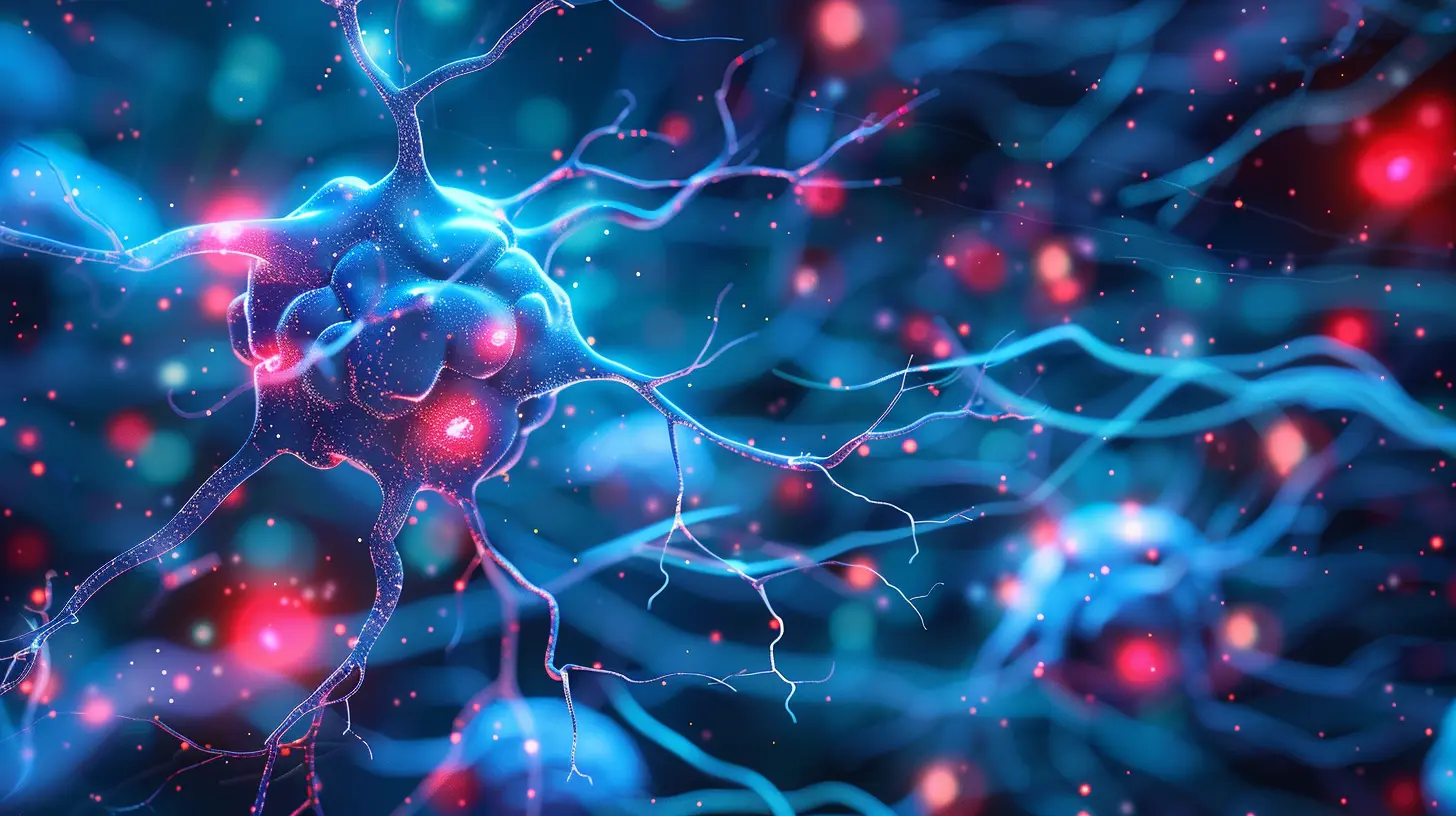
Before we get into dopamine, serotonin, and endorphins, it’s important to understand what neurotransmitters are. Simply put, neurotransmitters are chemical messengers in the brain. They carry signals between neurons (nerve cells) and influence everything from mood and sleep to concentration and even digestion. Think of neurotransmitters as the text messages your brain sends to communicate with the rest of your body.Some neurotransmitters make you feel calm, some make you feel alert, and others help you feel happy. The ones we’re focusing on today—dopamine, serotonin, and endorphins—are all linked to feelings of happiness and well-being.
Dopamine: The "Reward" Chemical
What Is Dopamine?
Dopamine is often referred to as the "reward" chemical. It is released when we experience something pleasurable or anticipate something enjoyable. Whether it’s eating your favorite food, receiving a compliment, or achieving a goal, dopamine is the neurotransmitter that gives you that sense of satisfaction and motivation.How Dopamine Affects Happiness
Have you ever noticed that you feel a little rush of excitement when you check your phone and see a new message? That’s dopamine at work. The anticipation of a reward, like a social interaction or a tasty treat, triggers dopamine release in the brain. In fact, dopamine is more about the anticipation of pleasure rather than the experience itself. It’s what drives you to chase after things that make you feel good.However, there’s a catch. Because dopamine is linked to the reward system, it can also be involved in addictive behaviors. Too much dopamine can lead to impulsive behavior, while too little can make you feel unmotivated and even depressed. It’s all about balance.
How to Boost Dopamine Naturally
- Set small goals: Accomplishing even minor tasks can give your brain a dopamine boost.- Listen to music: Listening to your favorite tunes can trigger dopamine release.
- Celebrate your wins: Acknowledge your achievements, no matter how small they are.
Serotonin: The "Mood Stabilizer"
What Is Serotonin?
Serotonin is often called the "mood stabilizer" of the brain. It regulates mood, anxiety, and happiness. Unlike dopamine, which is associated with short-term pleasure, serotonin is more about long-lasting well-being and contentment. It’s like the steady, peaceful feeling you get after spending time with loved ones or walking in nature.How Serotonin Affects Happiness
Serotonin plays a critical role in stabilizing your mood. Low levels of serotonin are often linked to depression, anxiety, and mood swings. Ever heard of antidepressants like SSRIs (Selective Serotonin Reuptake Inhibitors)? They work by increasing serotonin levels in the brain, helping to improve mood and reduce anxiety.Interestingly, about 90% of the body’s serotonin is found in the gut, where it helps regulate digestion. This is why your mood and digestion are so closely linked. Ever wonder why you feel “hangry” when you haven’t eaten? That’s serotonin at work!
How to Boost Serotonin Naturally
- Get some sunlight: Exposure to natural light helps your body produce serotonin.- Exercise regularly: Physical activity, especially aerobic exercise, can increase serotonin levels.
- Eat mood-boosting foods: Foods rich in tryptophan (like turkey, eggs, and cheese) help produce serotonin.
Endorphins: The Body's Natural Painkillers
What Are Endorphins?
Endorphins are the body’s natural painkillers. They’re released in response to stress, pain, or intense physical activity. The name "endorphin" comes from the phrase "endogenous morphine," meaning that these chemicals have effects similar to morphine, a powerful pain reliever.Endorphins not only reduce pain but also trigger positive feelings. Ever heard of the “runner’s high”? That’s endorphins in action. After intense exercise, your body floods with endorphins, leaving you feeling euphoric and energized.
How Endorphins Affect Happiness
While dopamine and serotonin are more about mood regulation, endorphins are specifically designed to deal with physical discomfort and stress. They act as a buffer, allowing you to push through pain and stress with a sense of well-being.Endorphins are also released during activities like laughing, eating spicy foods, or even having a good cry. Yes, that’s right—your brain rewards you with endorphins for crying, which is likely why you sometimes feel better after shedding a few tears.
How to Boost Endorphins Naturally
- Exercise: Any form of physical activity, especially high-intensity workouts, can trigger endorphin release.- Laugh more: They say laughter is the best medicine for a reason—laughing increases endorphins.
- Eat dark chocolate: Indulging in a small piece of dark chocolate can stimulate endorphin production.
The Balance Between Dopamine, Serotonin, and Endorphins
Now, you might be wondering: How do these three chemicals work together to make us feel happy? Well, they each play a unique role, and balance is key.- Dopamine provides the feeling of motivation and reward. It drives you to chase after things that bring you pleasure.
- Serotonin helps you maintain a stable mood and feel content, acting as a long-term mood stabilizer.
- Endorphins help you push through stress and pain, rewarding you with a sense of euphoria when you most need it.
Think of it like this: Dopamine is the excitement you feel when you’re about to eat your favorite meal. Serotonin is the sense of calm satisfaction you feel after eating. And endorphins? They’re the cherry on top when you laugh with friends or finish a tough workout, leaving you feeling euphoric.
When all three chemicals are in harmony, you're more likely to experience happiness, contentment, and well-being. However, an imbalance—too much dopamine or too little serotonin—can lead to mood disorders, anxiety, and even addiction.
How Lifestyle Choices Influence These Chemicals
You might be thinking: "Can I control these chemicals?" The good news is, yes! While genetics and biology certainly play a role, your lifestyle choices have a significant impact on your brain chemistry.Here are some ways you can influence dopamine, serotonin, and endorphins:
1. Exercise Regularly
Physical activity is one of the best ways to boost all three chemicals. Whether it’s a brisk walk, a yoga session, or a high-intensity workout, movement helps release endorphins, increase serotonin, and improve dopamine levels.2. Practice Gratitude
Regularly focusing on what you're grateful for can boost serotonin. It’s like training your brain to focus on positive experiences, which naturally raises serotonin levels over time.3. Get Enough Sleep
Sleep deprivation can throw off your brain chemistry, reducing serotonin and dopamine levels. Prioritizing rest is essential for keeping your mood and mental health in check.4. Eat a Balanced Diet
Foods rich in omega-3 fatty acids (like salmon), tryptophan (like turkey), and antioxidants (like berries) help produce the neurotransmitters that make you feel good.5. Socialize
Human connection is key to happiness. Engaging with others increases both dopamine and serotonin levels. Even a simple conversation or shared laughter can give you a natural boost.Final Thoughts
Dopamine, serotonin, and endorphins are the trifecta of happiness in your brain. Each plays a unique role in how you experience pleasure, contentment, and even pain relief. By understanding how these chemicals work, you can make lifestyle choices to boost your overall well-being. Whether it’s through exercise, diet, or simply spending time with loved ones, you have the power to influence your brain chemistry and, in turn, your happiness.So, next time you feel that rush of joy or even a quiet sense of peace, remember: it’s not just a coincidence. Your brain’s chemical messengers are hard at work, helping you feel good, one happy moment at a time.
all images in this post were generated using AI tools
Category:
Psychology Of HappinessAuthor:

Alexandra Butler
Discussion
rate this article
1 comments
Calyx Kane
Understanding brain chemistry is crucial for improving mental well-being and enhancing overall happiness in life.
July 19, 2026 at 3:26 PM