Anxiety in the Workplace: Coping Strategies for Professionals
3 May 2026
Work can be stressful—deadlines pile up, emails never stop, and the pressure to perform can feel overwhelming. If you've ever felt a tight knot in your stomach before a big presentation or struggled to concentrate because of racing thoughts, you're not alone. Anxiety in the workplace is a common challenge, affecting employees across all industries.
The good news? There are practical ways to manage work-related anxiety without letting it take over your life. In this guide, we'll dive into what workplace anxiety is, why it happens, and, most importantly, strategies to help you cope and thrive professionally.
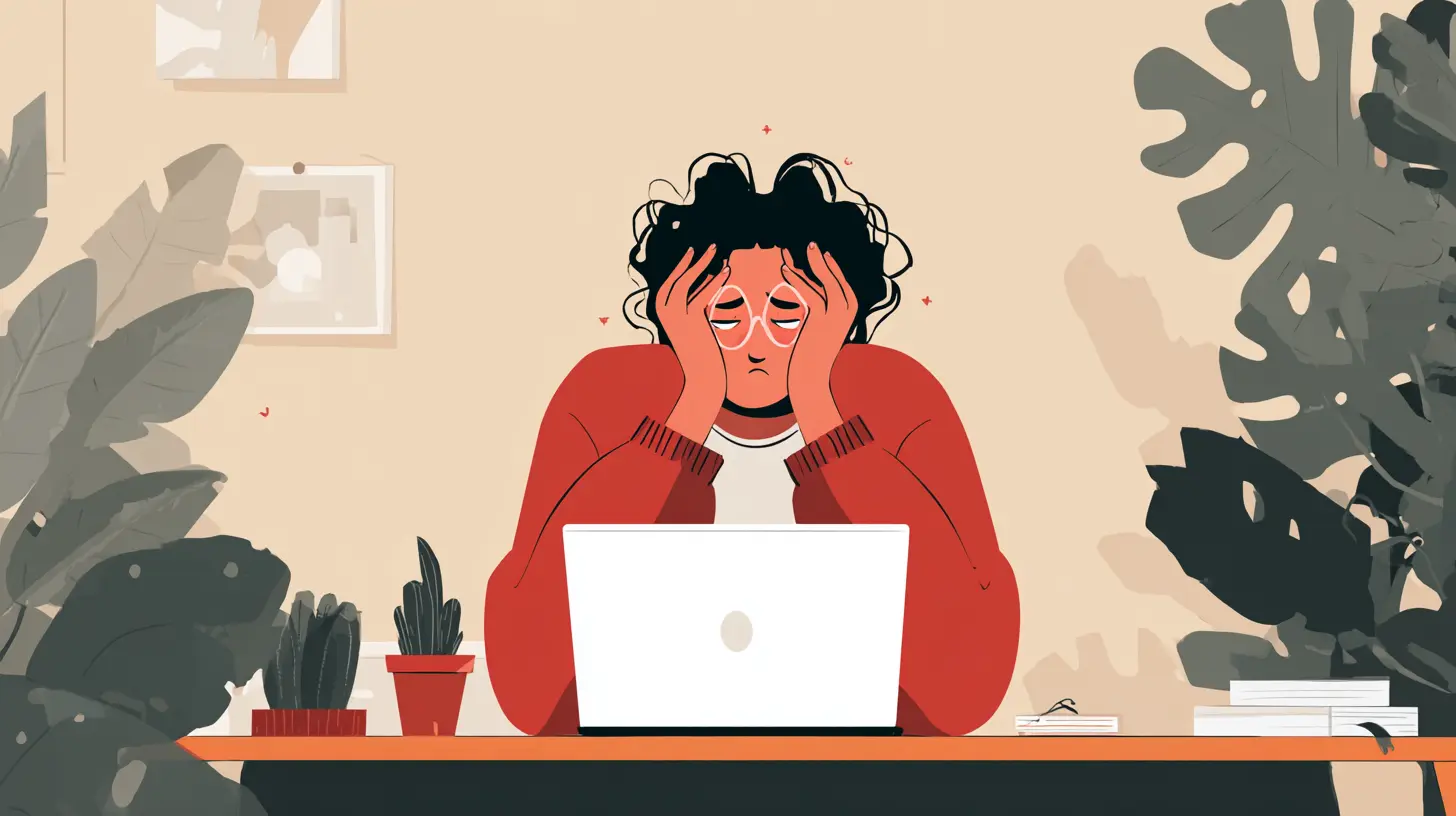
What Is Workplace Anxiety?
Workplace anxiety is the feeling of stress, nervousness, or fear related to your job. It can manifest in different ways—from feeling on edge before meetings to dreading your email inbox. While a little stress can motivate you, chronic anxiety can take a toll on your mental and physical health.Signs and Symptoms
How do you know if you're experiencing workplace anxiety? Here are some common signs:- Constant worrying about work tasks
- Difficulty concentrating
- Increased heart rate or sweating before work-related events
- Trouble sleeping due to work-related thoughts
- Avoiding meetings, presentations, or team discussions
- Feeling overwhelmed, even by small tasks
If any of these resonate with you, it's time to take action.

Why Does Workplace Anxiety Happen?
Work-related anxiety doesn't appear out of nowhere—it’s usually triggered by specific workplace factors. Identifying the root cause can help you find the best way to manage it.Common Causes:
- High Workload – Tight deadlines and an endless to-do list can make anyone feel anxious.- Toxic Work Environment – Constant criticism, lack of support, or workplace conflicts can make going to work feel unbearable.
- Fear of Failure – The pressure to meet expectations (your own or your boss's) can create persistent anxiety.
- Job Insecurity – Worrying about layoffs, budget cuts, or performance reviews can keep you on edge.
- Perfectionism – Striving for perfection can make work feel stressful rather than rewarding.
- Lack of Work-Life Balance – When work takes over your personal life, burnout is inevitable.
Now that we’ve covered the causes, let’s jump into how you can regain control.

Coping Strategies for Workplace Anxiety
Managing anxiety at work isn’t about eliminating stress—it’s about learning how to navigate it in a healthy way. Here are practical strategies you can implement today.1. Prioritize and Organize Your Workload
Start by taking control of your daily tasks. A cluttered mind often comes from a cluttered schedule.- Use a planner or task management app to structure your day.
- Break large tasks into smaller steps to make them more manageable.
- Set realistic deadlines—it’s okay to push back if needed.
- Tackle the most critical tasks first rather than procrastinating.
When you plan ahead, you reduce last-minute panic.
2. Practice Mindfulness and Deep Breathing
Mindfulness helps ground you in the present, preventing anxious thoughts from spiraling.- Try the 4-7-8 breathing technique: Inhale for 4 seconds, hold for 7, and exhale for 8.
- Use meditation apps like Headspace or Calm for quick mindfulness exercises.
- When you feel overwhelmed, pause and take five deep breaths.
These small habits can make a big impact on your mental clarity.
3. Set Boundaries Between Work and Personal Life
Work should not dominate your entire life. Setting boundaries is crucial.- Avoid checking emails after work hours—your personal time matters.
- Take lunch breaks away from your desk to mentally reset.
- Say no to extra work when your plate is already full.
Your well-being should come first, always.
4. Communicate Your Concerns
Bottling up stress will only make things worse. If work conditions are contributing to your anxiety, speak up.- Talk to your manager about adjusting your workload if you’re overwhelmed.
- If conflict is causing anxiety, address it professionally with HR or a trusted colleague.
- Ask for flexible work arrangements, such as remote work or adjusted hours.
A healthy work environment should support your mental well-being.
5. Use the Power of Physical Activity
Exercise is a natural stress reliever—your brain releases endorphins that boost your mood.- Go for a 10-minute walk during breaks.
- Try desk stretches or chair yoga to reduce tension.
- Hit the gym after work to burn off stress.
Even small movements can help you feel more in control.
6. Develop a Positive Mindset
Your thoughts shape your reality. If you constantly expect the worst, anxiety will follow.- Challenge negative self-talk by replacing "I can’t do this" with "I’ll do my best."
- Keep a gratitude journal—list three things you're grateful for at work.
- Celebrate small wins, whether it’s finishing a task or surviving a tough meeting.
Shifting your mindset can help you approach work with confidence.
7. Seek Professional Support When Necessary
If workplace anxiety is affecting your daily life, professional support can help.- Consider talking to a therapist or counselor for strategies tailored to your situation.
- Many companies offer Employee Assistance Programs (EAPs)—take advantage of them.
- Join a support group to connect with others experiencing similar challenges.
There's no shame in seeking help—it’s a sign of strength, not weakness.

Final Thoughts
Workplace anxiety is real, but it doesn’t have to control you. By organizing your workload, practicing mindfulness, setting boundaries, and prioritizing self-care, you can create a healthier relationship with work.Remember, everyone experiences stress at times, but how you handle it makes all the difference. Take things one step at a time, and don’t be afraid to ask for help when needed. You deserve a work environment that supports your well-being.
all images in this post were generated using AI tools
Category:
AnxietyAuthor:

Alexandra Butler
Discussion
rate this article
1 comments
Nix McGowan
Understanding anxiety in the workplace is vital. Simple coping strategies, like mindfulness and open communication, can transform stress into a motivating force for personal growth.
June 1, 2026 at 2:30 AM
Alexandra Butler
I completely agree. Small changes like mindfulness and communication can make a big difference in managing workplace anxiety and boosting growth.