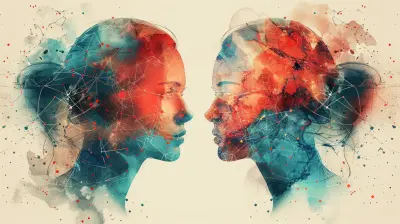
Addressing the Stigma Around Mental Health Diagnoses
21 July 2026
Let’s be real—talking about mental health still feels heavy for a lot of people. Even today, in a world where we share everything from our lunch to our gym sessions on social media, mental health diagnoses remain a hush-hush topic. Why is that?
It’s that stubborn little monster called stigma.
The stigma surrounding mental health doesn't just make conversations awkward—it can delay help, deepen suffering, and isolate people who are already feeling alone. So, let’s break the silence and unpack this together. Why is mental health treated differently from physical health? And more importantly, what can we do to change that?
What Is Mental Health Stigma, Anyway?
Stigma is like a shadow that follows people around. It’s the judgment, the assumptions, and the uncomfortable glances people get when they open up about their mental health. It’s the awkward silence that happens in the room when someone says, “I have depression.” It’s the labels—“crazy,” “unstable,” or “weak”—that get unfairly thrown around.There are actually two types of stigma:
1. Public Stigma
That’s the one coming from society. Think movies where the villain has a “psychiatric condition,” or news reports that blame violence on “mental illness.” These messages feed into fear and misunderstanding.2. Self-Stigma
This one’s trickier. It’s when people start believing those negative stereotypes about themselves. They might think, “I should be able to snap out of this,” or “If I ask for help, people will think I’m broken.”Both forms are harmful. Together, they create a toxic loop that keeps people from reaching out, speaking up, or even accepting their diagnosis.
How Mental Health Diagnoses Are Misunderstood
Let’s clear this up—having a mental health diagnosis doesn’t define who you are. It’s not your personality, your legacy, or your entire being. Just like being diagnosed with asthma doesn’t make someone “weak,” being diagnosed with anxiety or bipolar disorder doesn’t make someone “crazy.”But unfortunately, society doesn't always see it that way.
Common Misconceptions
- “People with mental illness are dangerous”This one is flat-out wrong. The vast majority of people living with mental illnesses are not violent. In fact, they're more likely to be victims of violence than perpetrators.
- “They just need to try harder”
Mental illness isn’t about willpower. You wouldn’t tell someone with diabetes to “just try harder to produce insulin,” right?
- “Therapy is for the weak”
Nah—therapy is for the brave. It takes real courage to face your inner world and work through your struggles.
These myths aren’t just annoying—they’re damaging. They prevent people from seeking the diagnosis and treatment they truly need.
Why Stigma Hurts More Than the Diagnosis Itself
Imagine carrying around a backpack full of bricks—now imagine piling on shame, judgment, and isolation on top of that. That’s what stigma does.Here’s how it messes things up:
- Delays treatment: People avoid therapy, counseling, or even talking to friends because they’re scared of being judged.
- Low self-esteem: Constant negative messaging chips away at self-worth.
- Social isolation: Some people feel like they have to hide a crucial part of who they are just to be accepted.
- Worsens symptoms: Stress, shame, and secrecy can actually make mental health symptoms worse.
In many cases, the stigma hurts more than the symptoms themselves. That’s heartbreaking, and it needs to change.
Why It’s Okay (and Powerful) to Be Diagnosed
Here’s the twist: getting a mental health diagnosis can be incredibly empowering. Seriously.Think of it like getting a name for a pain you’ve been feeling for years. Suddenly, it all makes sense. You’re not lazy, or “too emotional,” or a failure—you have depression, or ADHD, or PTSD. And guess what? That means there’s a treatment plan, resources, and support you can tap into.
A Diagnosis Is Not a Life Sentence
It’s a starting point. It’s the key that opens the door to healing. It gives you tools, language, and options to manage your mental health. So, why is it treated like a shameful secret? That perception needs flipping.The Role Media (and Culture) Plays in the Stigma
Ever notice how the “mentally ill” character in movies is either a villain or someone completely unstable? Yeah, that doesn’t help.Harmful Stereotypes in Media:
- The “psycho killer” trope- The “overly emotional woman” with borderline personality disorder
- The “unpredictable” character who just needs “fixing”
These portrayals twist public perception and make people afraid of both others and themselves.
And it's not just movies. In some families or cultures, mental illness is still viewed as weakness, failure, or even a character flaw. That type of environment makes it impossible to have open, healing conversations.
Okay, So How Do We Fight the Stigma?
The good news? It’s not hopeless. The more we talk, share, and support, the weaker stigma becomes.Here’s how we start:
1. Talk About It Openly
Normalize saying, “I’m going to therapy,” or “I struggle with anxiety.” You’ll be surprised how many people respond with a quiet “me too.”2. Use Better Language
Words matter. Instead of saying someone “is bipolar,” say they “have bipolar disorder.” That small shift reminds us that people are more than their diagnosis.3. Challenge Misconceptions
When you hear someone say something ignorant like “He’s crazy,” challenge it—kindly. Start a conversation, not a confrontation.4. Share Your Story
If you're comfortable, sharing your mental health journey can inspire others. Real stories are powerful because they humanize the issue.5. Support Others
Be a safe space. If a friend says they’re struggling, listen without judgment. Ask how you can help instead of offering unsolicited advice.The Power of Representation and Role Models
Seeing high-profile celebrities, athletes, and influencers talk about their mental health has been a game-changer. It sends a message that mental health struggles don’t discriminate and that vulnerability is actually a strength.People like Simone Biles, Prince Harry, and Selena Gomez have opened up about their mental health diagnoses. Their courage helps others speak up—and that ripple effect matters.
It's a Journey, Not a Switch
Getting rid of stigma isn’t going to happen overnight. Changing deeply rooted beliefs takes time, conversations, and courage.But each time someone opens up, listens without judgment, or rethinks their assumptions, a little bit of stigma fades away. And that’s progress.
So if you’re reading this and you’ve been diagnosed with a mental health condition—know this: You are not your diagnosis. You are not alone. And you are incredibly brave.
If you’re supporting someone on their journey—thank you. Your compassion is part of the cure.
Let’s keep talking, learning, and dismantling the stigma one real, honest conversation at a time. Mental health is health—no shame, no secrets, just support.
Final Thoughts
Addressing the stigma around mental health diagnoses is about changing hearts and minds. It’s about refusing to let shame silence us. And it starts with us—being honest, kind, and bold enough to speak out.You wouldn’t judge someone for having asthma or a broken arm. So why shame someone for anxiety or depression?
Let’s keep the conversation going. Because every time we speak up, we build a world where mental health is treated with the empathy and respect it deserves.
all images in this post were generated using AI tools
Category:
Clinical PsychologyAuthor:

Alexandra Butler